
TL;DR

Get cleaning gear delivered free — and shop member deals
- Fast, free delivery on millions of items
- Access to Prime Big Deal Days deals on October 6–7
- Prime Video, Amazon Music and more included
Cleaning cork flooring requires gentle, moisture-controlled methods. Regular sweeping, using pH-neutral cleaners, and protective measures keep it looking great. Avoid excess water and harsh chemicals.
Imagine your cork floor shining with its natural warmth, every grain visible and inviting. Now picture the damage that harsh cleaners or soaking wet mops can do—swelling, warping, stains. Cleaning cork flooring isn’t about scrubbing or soaking; it’s about respecting its delicate nature and using simple, safe techniques. Whether it’s routine dust removal or tackling stubborn spots, knowing the right approach keeps your floors beautiful and lasting for years.
This guide will walk you through everything you need to know—what cleaning methods work, what to avoid, and how to protect your investment from everyday wear and tear. You’ll learn how to keep cork looking vibrant without risking costly damage.
Use a barely damp mop with pH-neutral cleaner for routine cleaning.
Avoid excess water, harsh chemicals, and abrasive tools that can damage cork.
Protect floors with furniture pads and rugs to prevent scratches and stains.
Address stains immediately with gentle methods to prevent lasting damage.
Deep cleaning or refinishing should be handled by professionals to avoid surface harm.
Why Gentle Cleaning Is Key to Protect Cork Floors
Cork is a soft, porous material that absorbs water easily, making it vulnerable to swelling, warping, or staining if not cleaned properly. Regular maintenance, like sweeping or vacuuming, removes dirt that can cause scratches and dullness. Using a damp cloth with a pH-neutral cleaner allows you to lift dirt without soaking the surface, which is crucial because excess moisture can penetrate the cork’s porous structure. Think of cork like a sponge—too much water and it loses its shape, potentially leading to irreversible damage. This means that every cleaning action must balance effective dirt removal with moisture control to prevent long-term deterioration.
For example, a homeowner once used a soaking wet mop on their cork floor, leading to a noticeable lump that required professional refinishing. This incident highlights the importance of understanding cork’s porous nature: overexposure to water can cause swelling beneath the surface, leading to unevenness and potential structural compromise. Avoiding this mistake is simple: use a barely damp mop and dry immediately afterward, ensuring that cleaning does not introduce excessive moisture. Recognizing why moisture is harmful helps you make informed choices that preserve your floor’s integrity and appearance over time.
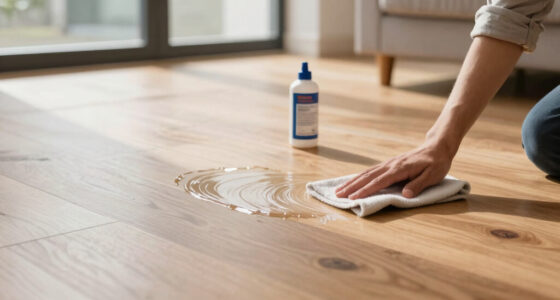
pH-neutral floor cleaner for cork floors
As an affiliate, we earn on qualifying purchases.
As an affiliate, we earn on qualifying purchases.
The Best Way to Regularly Clean Your Cork Floor
Keep your cork floors looking their best with these easy steps:
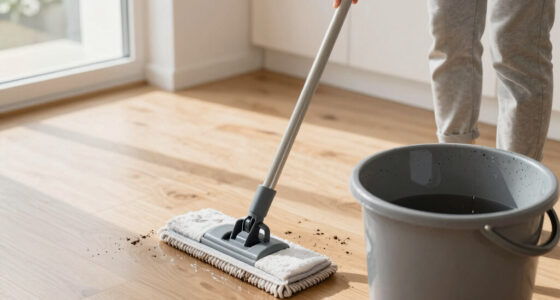
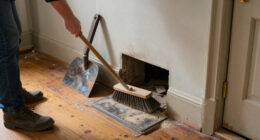
- Start with a quick sweep or vacuum, removing loose dirt and grit. This prevents abrasive particles from scratching the surface during mopping.
- Use a microfiber mop or soft cloth for dry dusting. This gentle method ensures you don’t disturb the cork’s finish or embed dirt deeper into the pores.
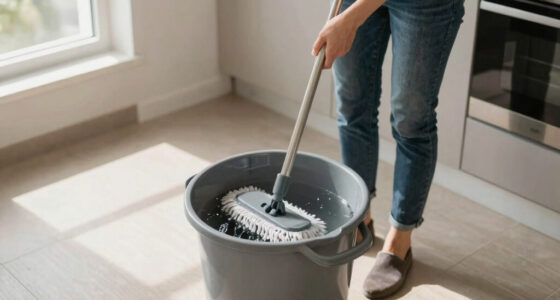
- For routine cleaning, damp mop with a solution of water and a pH-neutral cleaner designed for cork or hardwood floors. The key is to keep the mop only slightly moist—too wet and the liquid can seep into the cork, causing damage over time.
- Immediately dry the area with a clean, soft towel to prevent water from lingering and soaking into the material, which could lead to swelling or warping.
Imagine walking across your floor, feeling the smooth texture and hearing a faint swish as you clean—simple, gentle, effective. This routine maintains the floor’s appearance while protecting its structure. Regular maintenance like this prevents dirt buildup that can scratch or dull the surface, extending the lifespan of your cork flooring. The tradeoff here is between cleanliness and moisture control—prioritizing gentle, controlled cleaning preserves the floor’s natural beauty and durability over years of use.
Doing this weekly keeps dirt from settling in, which can cause scratches or dull the surface over time. Consistent, mindful cleaning is the best investment in your cork floor’s long-term health.
microfiber mop for delicate floors
As an affiliate, we earn on qualifying purchases.
As an affiliate, we earn on qualifying purchases.
Common Cleaning Mistakes That Damage Cork (And How to Avoid Them)
| Mistake | Why It Damages Cork | What to Do Instead |
|---|---|---|
| Using Excess Water | Causes swelling, warping, or staining because cork’s porous nature allows moisture to seep in, which can lead to expansion beneath the surface. This not only distorts the appearance but can compromise the structural integrity of the flooring over time. | Use a barely damp mop and dry thoroughly afterward. Ensuring the mop is only lightly moist minimizes water absorption and keeps the cork’s natural structure intact. |
| Harsh Chemicals | Breaks down cork’s finish and exposes porous surface, making it more susceptible to staining, discoloration, and damage. Many commercial cleaners contain ingredients that strip protective coatings, accelerating wear and tear. | Choose pH-neutral, cork-specific cleaners that are formulated to clean effectively without damaging the finish or the material itself. Always read labels and test in small areas first. |
| Abrading Tools | Scratches or dulls the surface, leading to a worn appearance and potential entry points for dirt and moisture. Using rough or abrasive tools can cause micro-tears, which weaken the protective layer and diminish the floor’s aesthetic appeal. | Stick to soft cloths and microfiber mops. These gentle tools help maintain the surface’s integrity while effectively removing dirt and debris. |
Think of your cork like delicate fruit—handle it gently, and it stays fresh. Avoiding these mistakes keeps your floors looking new longer and maintains their protective finish, which is essential for resisting stains and wear over time. The tradeoff is between convenience and longevity; choosing gentle, appropriate cleaning methods ensures your investment endures and retains its beauty for years to come.
furniture pads for hardwood and cork floors
As an affiliate, we earn on qualifying purchases.
As an affiliate, we earn on qualifying purchases.
How to Remove Stains Without Damaging the Surface
Stains happen. Oil, wine, or pet accidents can leave marks. The trick is acting fast and using gentle methods that do not harm the cork’s porous surface or finish. Quick response prevents the stain from settling deep into the material, which can be nearly impossible to remove once embedded.
- Blot the stain immediately with a clean cloth—don’t rub! Rubbing can push the stain further into the pores, making removal more difficult and increasing the risk of surface damage.
- Dilute a few drops of pH-neutral cleaner in water. Using a mild solution prevents harsh chemicals from breaking down the finish or penetrating the cork.
- Apply with a soft sponge or cloth, gently dabbing the stain. Gentle dabbing lifts the stain without abrading or scratching the surface.
- If stubborn, make a paste of baking soda and water, applying it softly on the spot for a few minutes before wiping away. Baking soda acts as a gentle abrasive and deodorizer, but it must be used carefully to avoid micro-scratches.
For example, spilled red wine on cork can be wiped up within minutes using a damp cloth and mild cleaner, preventing deep staining that could be difficult or impossible to remove later. Acting promptly and with care preserves both the appearance and integrity of your cork floor.
Always test any cleaning solution on a small, hidden area first to avoid surprises. This precaution helps ensure the cleaning method won’t inadvertently damage the finish or discolor the surface, maintaining your floor’s beauty over time.
As an affiliate, we earn on qualifying purchases.
Frequently Asked Questions
Can I use a steam mop on cork flooring?
Generally, no. Steam introduces excess moisture that can cause cork to swell or warp unless your floor is specifically sealed and labeled safe for steam cleaning. Check manufacturer guidelines first.
What cleaning products are safe for cork floors?
Stick to pH-neutral cleaners designed for cork or hardwood floors. Avoid bleach, ammonia, or abrasive cleaners—they can erode the finish and damage the surface.
How often should I clean my cork floor?
Sweep or vacuum daily, damp mop weekly, and spot clean as needed. Regular maintenance keeps dirt from scratching or dulling the surface over time.
What should I do if my cork gets stained?
Address stains immediately with a soft cloth and mild cleaner. For stubborn spots, gently use baking soda paste or a mild degreaser, avoiding harsh scrubbing.
Can I use vinegar or lemon juice for cleaning?
It’s best to avoid acidic substances like vinegar or lemon juice, as they can erode the protective finish of cork over time, leading to damage and discoloration.
Conclusion
Keeping cork flooring pristine isn’t about heavy scrubbing or soaking. It’s about respecting its delicate, porous nature and using gentle, controlled methods. Think of your cork floor as a living piece of art—treat it with care, and it will reward you with warm beauty for years.
Every swipe, every wipe, every preventative step counts. Keep those floors looking fresh and avoid damage—your future self will thank you.
Halloween Picks
halloween
As an affiliate, we earn on qualifying purchases.