TL;DR
Dust allergies come from dust mites, pet dander, and mold. Regular cleaning, controlling humidity, and air filtration cut allergens significantly. Combining these methods makes your home a healthier space.
Switch to hard flooring where possible to reduce dust mite habitats.
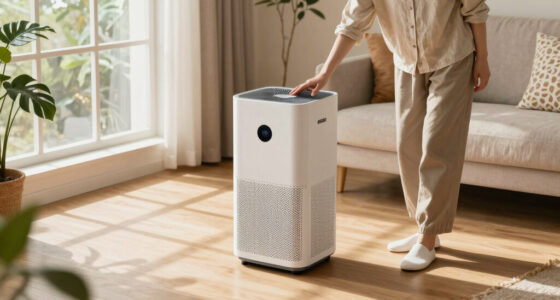
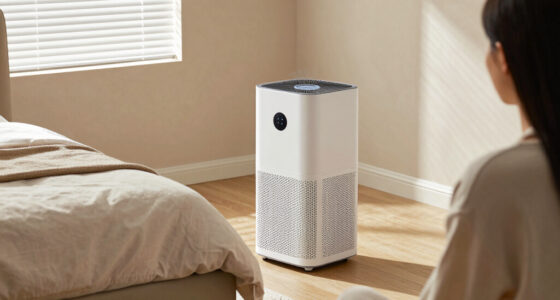
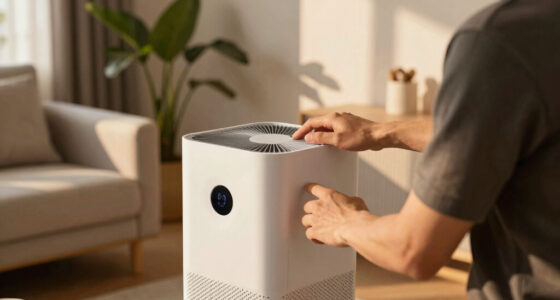
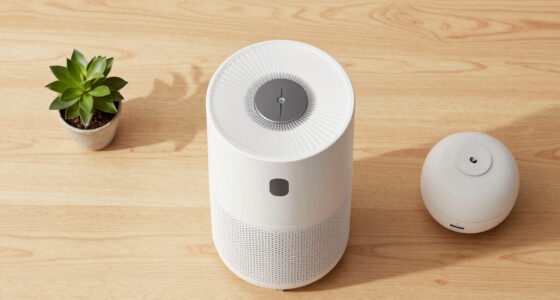
Use HEPA-filter vacuums and air purifiers to trap microscopic allergens.
Wash bedding weekly in hot water to kill dust mites and lower allergen levels.
Maintain indoor humidity between 30-50% to inhibit dust mite and mold growth.
Regular steam cleaning and dusting with damp cloths significantly cut allergens.
What Causes Dust Allergies and How to Spot Them
Dust allergies are triggered by tiny particles like dust mites, pet dander, and mold spores. These allergens settle in bedding, carpets, curtains, and upholstered furniture. Recognizing these sources is essential because they are the primary reservoirs where allergens accumulate and multiply. For example, dust mites thrive in warm, humid environments, making bedrooms particularly problematic. Pet dander can cling to fabrics and linger long after pets leave the room. Mold spores often grow in damp areas, releasing allergens into the air. Identifying these sources helps you prioritize cleaning efforts effectively, preventing allergens from building up and reducing the frequency and severity of allergy symptoms.
Understanding why these sources matter is crucial. Dust mites, for instance, are microscopic and can multiply rapidly in your bedding, increasing allergen levels exponentially. Pet dander can persist even after grooming, especially in areas where pets rest or play. Mold spores, if left unchecked, can lead to respiratory issues beyond allergies, including asthma exacerbations. Therefore, recognizing the specific contributors to your dust allergy allows for targeted action, ultimately leading to a healthier indoor environment.

Shark Upright Vacuum Cleaner | Navigator Lift-Away | Pet Hair, Carpet & Hard Floor Cleaning | Upholstery & Crevice Tools | HEPA Filter | Swivel Steering | Large Dust Cup Capacity | Lavender | NV352
POWERFUL SUCTION FOR CARPET & HARD FLOORS: Clean carpets and hard floors with strong multi-surface suction. This lightweight…
As an affiliate, we earn on qualifying purchases.
As an affiliate, we earn on qualifying purchases.
Top 4 Proven Ways to Cut Dust in Your Home
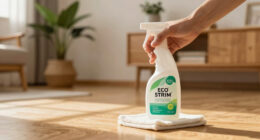
- Switch to Hard Floors: Carpets trap dust mites, pet dander, and other allergens deep within their fibers, providing a habitat for mites to multiply. Replacing carpets with hard flooring surfaces like hardwood, tile, or laminate simplifies the cleaning process because these surfaces don’t trap allergens as easily. They can be swept or mopped quickly, reducing the chance for allergens to accumulate and become airborne during cleaning. However, hard floors may be colder or noisier, so consider rugs in certain areas if comfort is a concern. The tradeoff is that hard floors demand regular maintenance to prevent dust build-up, but overall, they create a less hospitable environment for dust mites and make allergen control more manageable.
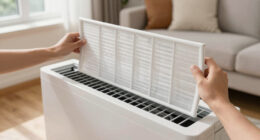
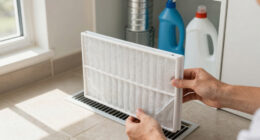
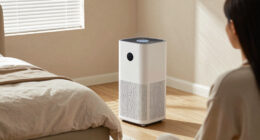
- Use HEPA Filters Everywhere: HEPA (High-Efficiency Particulate Air) filters trap microscopic particles that standard filters miss, including pollen, pet dander, and dust mites. Using a vacuum cleaner with a HEPA filter ensures that dust and allergens are captured rather than redistributed into the air. Likewise, air purifiers equipped with HEPA filters placed in bedrooms and living rooms can significantly reduce airborne allergens, especially during peak allergy seasons. The key is to select units rated for the size of your room and to maintain filters regularly. The tradeoff involves initial costs and regular filter replacements, but the long-term benefit is a noticeable reduction in allergen levels, leading to fewer allergy symptoms.
- Wash Bedding Weekly in Hot Water: Dust mites feed on dead skin cells and thrive in bedding, pillows, and stuffed animals. Washing sheets, pillowcases, and blankets in water at least 130°F (54°C) kills dust mites and removes accumulated allergens. This routine is vital because even small amounts of residual dust mites can trigger allergic reactions. Using allergen-proof covers on pillows and mattresses adds an extra layer of protection by preventing mites from colonizing these surfaces. The implication is that consistent, hot water washing can dramatically decrease the allergen load, but it requires effort and energy. The tradeoff is worth it, as it can reduce allergy symptoms and improve sleep quality over time.
- Control Indoor Humidity: Dust mites and mold spores flourish in humid environments. Maintaining indoor humidity between 30-50% creates an inhospitable environment for these allergens. Using dehumidifiers in damp areas like basements and smart humidifiers in dry seasons helps regulate moisture levels. Proper humidity control not only reduces dust mite populations but also inhibits mold growth, which can cause respiratory issues beyond allergies. The challenge lies in balancing humidity—too low can cause dryness and discomfort, while too high promotes mold and mites. The tradeoff involves monitoring and adjusting devices regularly, but doing so yields a healthier indoor environment with fewer allergens and better respiratory health.
Imagine walking barefoot on a hardwood floor, noticing how much cleaner and fresher the air feels. These targeted steps make a real difference by reducing dust sources at their roots and addressing the underlying conditions that allow allergens to thrive.

Purivortex Air Purifiers for Bedroom, Quiet Air Purifier with HEPA Filter for Pollen, Smoke, Dust, Pet Dander, Odor, Hair, Ozone Free, Covers Up to 880 Sq Ft, PX500 Black
Cleaner Air In Minutes: Purivortex is proven to filter common pollutants from your home’s air. This air purifier…
As an affiliate, we earn on qualifying purchases.
As an affiliate, we earn on qualifying purchases.
Understanding the Progression of Dust Allergies
Dust allergies often develop gradually as exposure to allergens increases over time. Initially, you might only notice occasional sneezing or a runny nose, especially during certain seasons or after cleaning. Without intervention, these symptoms can become more frequent and severe, leading to chronic discomfort or respiratory issues like asthma. Recognizing this progression is crucial because early action can prevent symptoms from worsening. The more you understand how dust allergens build up and impact your body, the better you can implement preventive measures that break this cycle. This understanding empowers you to take proactive steps, such as regular cleaning and humidity control, before allergies become persistent problems.
Furthermore, understanding the progression helps in setting realistic expectations and in maintaining consistent habits. For example, if you notice your allergy symptoms worsening, it might be a sign that your current cleaning routine needs adjustment or that you need to address hidden mold or pet dander sources. Recognizing these patterns allows you to tailor your approach, ultimately leading to a healthier indoor environment and improved quality of life.
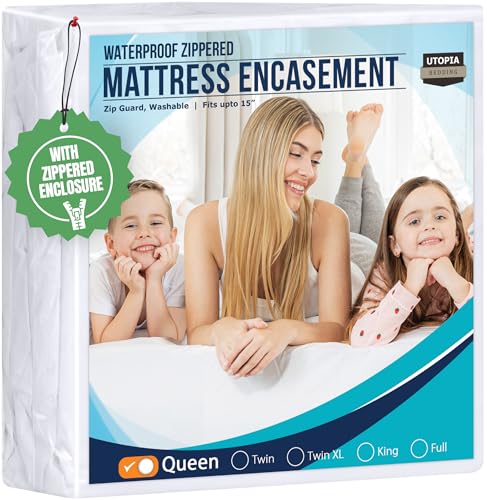
Utopia Bedding Queen Mattress Protector Zippered, 100% Waterproof Bed Bug and Dust Mite Proof Mattress Encasement, Absorbent 6 Sided Mattress Cover
360° Coverage Protection – Fits 60 inches by 80 inches queen size mattress up to 15 inches deep,…
As an affiliate, we earn on qualifying purchases.
As an affiliate, we earn on qualifying purchases.
Frequently Asked Questions
What are the most effective methods to reduce dust mites at home?
Washing bedding weekly in hot water, using allergen-proof covers, maintaining indoor humidity at 30-50%, and vacuuming with a HEPA filter are the most effective methods. Combining these strategies cuts dust mite populations significantly, which is essential because dust mites are the primary contributors to allergic reactions in many households. Ignoring any of these measures allows mites to thrive, perpetuating symptoms and possibly worsening existing respiratory conditions. Implementing multiple strategies simultaneously creates a hostile environment for mites, leading to noticeable symptom relief and improved indoor air quality.
Can air purifiers completely eliminate dust allergies?
While air purifiers with HEPA filters greatly reduce airborne allergens, they can’t remove every tiny particle or eliminate sources like bedding or carpets. For comprehensive relief, it’s important to combine air purification with other measures such as regular cleaning, humidity control, and allergen-proof covers. Relying solely on air purifiers might give a false sense of security, as some allergens settle quickly on surfaces and can be stirred up during daily activities. The best approach is a multi-layered strategy that tackles allergen sources directly while continuously filtering the air, significantly reducing allergy symptoms but not entirely eliminating them.
Are natural or chemical-free ways effective to reduce dust allergies?
Yes. Regular dusting with damp cloths, vacuuming with HEPA filters, controlling humidity, and removing clutter help reduce dust naturally. Additionally, some natural remedies like essential oils—such as eucalyptus or tea tree—are believed to have mild repellent properties against dust mites. However, their effectiveness is limited compared to thorough cleaning routines. These methods work best as supplementary measures rather than standalone solutions. The implication is that a combination of natural cleaning practices and environmental controls offers a safer, chemical-free way to manage dust allergens, especially for sensitive individuals.
How often should I clean to control dust allergies?
Dust-prone areas should be cleaned weekly, with special attention to bedding and upholstery. Bedding should be washed weekly or biweekly to keep dust mites at bay. Regular vacuuming with a HEPA filter, dusting with damp cloths, and decluttering help maintain low dust levels. This routine prevents allergen accumulation, which can trigger symptoms. Consistency is key; irregular cleaning allows dust and allergens to build up, worsening allergy symptoms over time. The tradeoff is that maintaining a strict cleaning schedule requires effort but results in a more comfortable, allergy-friendly environment that supports better respiratory health.
Does removing carpets really help with dust allergies?
Yes. Hard floors like wood or tile trap less dust and are easier to keep allergen-free. Carpets tend to trap dust mites, pet dander, and other allergens deep within their fibers, making them difficult to clean thoroughly. Replacing carpets reduces these reservoirs, especially in bedrooms and living areas where people spend most of their time. While some may miss the comfort or warmth of carpets, the health benefits—fewer allergy symptoms and easier maintenance—are significant. The tradeoff involves the upfront cost of new flooring and potential changes to interior decor, but the long-term health benefits often outweigh these considerations.
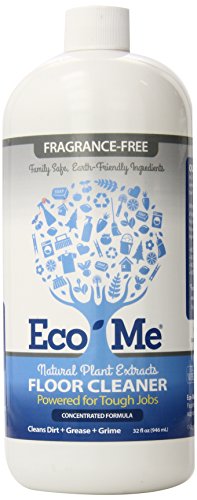
Eco-me Concentrated Muli-Surface and Floor Cleaner, 32 Fl Oz, Fragrance-Free
DEEP CLEANS: Safely mop and clean your floors with this concentrated natual plant based formula. Safe to use…
As an affiliate, we earn on qualifying purchases.
As an affiliate, we earn on qualifying purchases.