TL;DR

Get cleaning gear delivered free with Prime
- Fast, free delivery on millions of items
- Prime Video, Amazon Music and more included
- Member-only deals all year
Stuffy air in your home often comes from poor airflow, excessive humidity, and pollutants. Improving ventilation, controlling moisture, and regular maintenance can make your indoor air feel fresh and breathable.
Ever walk into your home and feel like the air is thick and hard to breathe? That heavy, stale sensation isn’t just in your head. It’s a sign that the air quality inside isn’t quite right. Whether it’s the lingering smell of last night’s dinner or a constant feeling of stuffiness, there’s often a simple cause behind it.
In this guide, you’ll learn why your indoor air feels heavy, what common factors contribute, and practical steps you can take to freshen it up. No complicated jargon—just straightforward advice for a healthier, more comfortable home.
Ventilation is key — open windows and use exhaust fans to circulate fresh air.
Keep humidity between 30-50% to prevent that heavy, sticky feeling.
Change filters every 1-3 months to trap airborne pollutants effectively.
Use a combination of air purifiers and regular cleaning to reduce indoor allergens.
Temperature and airflow management can make your home feel instantly lighter and more breathable.
Why Poor Ventilation Is Making Your Home Feel Stuffy
When air doesn’t move enough, it becomes a breeding ground for odors and pollutants. Insufficient airflow traps moisture, dust, and airborne allergens, creating that heavy, stagnant feeling. Imagine a room where the windows stay shut, and the HVAC runs nonstop with little fresh air exchange—this is a recipe for stuffiness.
For example, a typical living room with sealed windows and no exhaust fan can quickly turn into an oxygen-depleted space. The air feels thick, and you might notice lingering smells from pets or cooking. Ventilation is your home’s natural refresh—without it, the air just doesn’t stay crisp.
Deeply understanding this helps you see why simply opening a window can drastically improve how the room feels. Proper ventilation doesn’t just remove odors; it replaces stale air with fresh outdoor air, diluting pollutants and reducing indoor humidity. However, tradeoffs include potential energy loss or outdoor pollution entry, so balancing ventilation with filtration can optimize indoor air quality.
air purifiers for indoor air quality
As an affiliate, we earn on qualifying purchases.
As an affiliate, we earn on qualifying purchases.
How Humidity Turns Your Air Thick and Heavy
High humidity is one of the biggest culprits behind that stuffy sensation. When moisture levels rise above 50%, the air feels sticky and oppressive. Think of a humid summer day—your shirt sticks to your back, and breathing feels labored. The same principle applies indoors.
For instance, cooking pasta without a vent fan or taking long, hot showers can spike humidity. If your home lacks a dehumidifier or good airflow, moisture lingers, making the air feel heavy and uncomfortable. This excess moisture not only contributes to the sensation of heaviness but also fosters mold growth and dust mite proliferation, which can worsen allergies and respiratory issues.
Maintaining humidity between 30-50% can make a noticeable difference in how fresh your home feels. That’s where a simple hygrometer can help you keep track. Managing humidity levels is a balancing act—too low can cause dry skin and static, while too high promotes heaviness and mold. Investing in a dehumidifier or using exhaust fans during activities that generate moisture helps strike this balance, improving comfort and health.
As an affiliate, we earn on qualifying purchases.
Pollutants and Allergens That Make Your Air Feel Stale
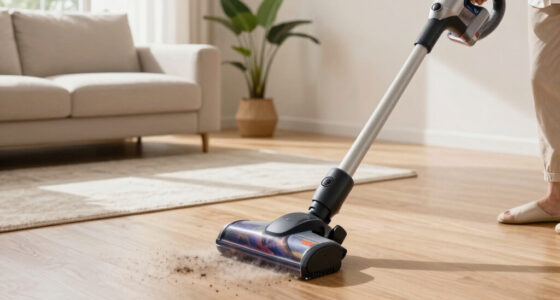
Dust, pet dander, mold spores, and VOCs from cleaning products all contribute to indoor air that feels less than fresh. These tiny particles float in the air, settling on surfaces, and often trigger allergies or respiratory discomfort.
Picture a house with a shedding cat, a dusty carpet, and no air purifier. Over time, these pollutants accumulate, making the air thick and difficult to breathe. This buildup isn’t just a matter of cleanliness; it directly impacts your breathing and can exacerbate asthma or allergy symptoms. Moreover, some VOCs from cleaning products or scented candles can irritate your respiratory system and contribute to that suffocating feeling.
Regular cleaning, dusting, and ventilating can help clear out these irritants, making your space feel lighter and less oppressive. Using air purifiers with HEPA filters can trap many of these particles before they reach your lungs, providing a crucial layer of defense. Recognizing the sources of indoor pollutants allows you to make targeted adjustments—like choosing scent-free cleaning supplies or reducing clutter—to improve air quality and comfort.
ventilation fans for bathroom and kitchen
As an affiliate, we earn on qualifying purchases.
As an affiliate, we earn on qualifying purchases.
How Lack of Air Filtration Keeps the Air Stuffy
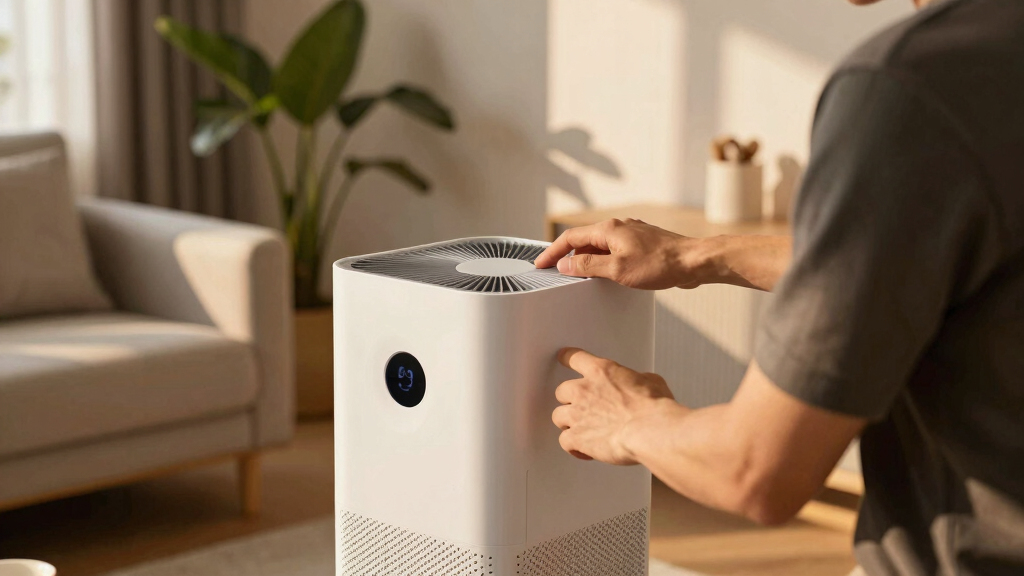
If your HVAC or air purifier filters are dirty or outdated, airborne particles circulate freely, making the air feel heavier. Dirty filters act like a barrier that’s clogged, reducing their ability to trap dust and allergens. This means pollutants stay suspended longer, increasing the sensation of heaviness and reducing overall air quality.
For example, a home with a 6-month-old filter that’s never been replaced will have reduced airflow and filtration efficiency. The result? More dust, pollen, and pet dander floating around, contributing to that suffocating feeling. Over time, neglecting filter maintenance can lead to a cycle where air quality steadily declines, making your home feel increasingly oppressive.
Changing filters every 1-3 months, depending on use, pets, and filter type, is essential. Regular maintenance ensures your HVAC system operates efficiently, trapping pollutants before they circulate. This proactive approach not only improves air clarity but also extends the lifespan of your system. The tradeoff is minimal effort for a significant boost in comfort and health.
As an affiliate, we earn on qualifying purchases.
Temperature and Airflow: The Dynamic Duo of Stuffy Homes
Warm, stagnant air feels especially oppressive. When the home is too hot and poorly ventilated, the air becomes thick and uninviting. Think of a summer afternoon—humid, warm, and heavy. That’s exactly what happens inside poorly cooled spaces.
For example, a kitchen without a vent fan during summer can trap heat and moisture, making the air feel dense. This temperature imbalance hampers the natural circulation of air, causing it to feel sluggish and oppressive. Conversely, a well-ventilated, cool space feels crisp and fresh because cooler air holds less moisture and circulates more freely, preventing that heaviness.
Using fans, air conditioners, or opening windows during cooler parts of the day can help balance temperature and airflow, making your home feel lighter. Proper temperature management reduces the humidity and stagnation that contribute to that heavy, unbreathable environment. The tradeoff involves energy use and noise, but the comfort gain is well worth it.
Simple Fixes That Make Your Indoor Air Feel Fresher
- Boost ventilation: Open windows, use exhaust fans, or install air vents to increase fresh air exchange. This helps dilute indoor pollutants and reduces humidity buildup, directly combating heaviness. Proper ventilation also prevents the accumulation of indoor odors and reduces the risk of mold growth, which thrives in stagnant, humid environments.
- Control humidity: Use dehumidifiers and exhaust fans in bathrooms and kitchens. Maintaining optimal humidity levels not only prevents that sticky feeling but also inhibits mold and dust mites, which prefer damp environments. This tradeoff involves energy consumption, but the health benefits of a drier, fresher home are substantial.
- Change filters regularly: Replace HVAC filters every 1-3 months to trap airborne pollutants effectively. Clean filters ensure your system runs efficiently, preventing the recirculation of dust, pollen, and pet dander that contribute to heaviness. Skipping this step can lead to increased allergens and a more oppressive environment.
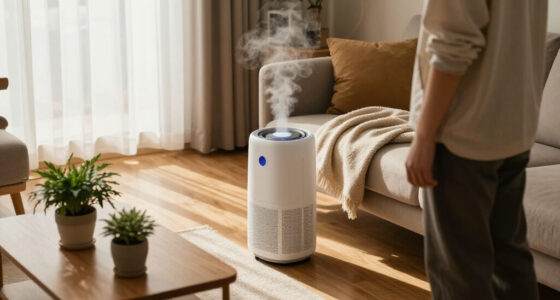
- Use air purifiers: HEPA filters can remove dust, pet dander, and some bacteria from the air, providing an extra layer of filtration. They’re especially useful in homes with allergy sufferers or pets. While not a replacement for ventilation, they significantly reduce airborne irritants, improving overall air clarity.
- Maintain temperature: Keep your home comfortably cool and avoid excessive heat buildup. Using fans or air conditioning during hot days helps prevent the stagnation of warm, heavy air. Proper temperature regulation supports good airflow, making your space feel lighter and more breathable.
For example, installing a simple window exhaust fan in your kitchen can cut humidity and stale air, making your home feel instantly fresher. Combining these strategies creates a comprehensive approach to indoor air quality that tackles heaviness from multiple angles.
Frequently Asked Questions
How do I know if my home has poor air quality?
Look for signs like lingering odors, stuffy or stale air, allergy symptoms, respiratory irritation, or visible mold. Using an air quality monitor can also give you a clear picture.What’s the easiest way to improve ventilation in my home?
Open windows regularly, run exhaust fans in the kitchen and bathroom, and consider installing an air exchange system or vents that promote continuous airflow.How often should I replace my HVAC filters?
Most filters should be changed every 1-3 months, depending on usage, pets, and filter type. Regular replacement keeps airflow strong and pollutants at bay.Can indoor plants actually help with air quality?
Yes, some plants like snake plants and peace lilies can absorb certain airborne pollutants, helping make the air feel cleaner and fresher. Just remember they’re not a substitute for ventilation and filtration.What’s a quick fix for a stuffy, humid room?
Use a dehumidifier, turn on a fan or AC, and open windows if weather permits. These steps remove excess moisture and circulate fresh air fast.Conclusion
Feeling that your home’s air is heavy and uninviting is a signal, not a mystery. A few simple tweaks—like improving airflow, controlling moisture, and maintaining filters—can make a world of difference. Before long, your space will breathe easier, feel cooler, and smell fresher.
Remember, fresh air isn’t a luxury; it’s a necessity for a healthy, comfortable home. So open those windows, check your filters, and give your indoor air the upgrade it deserves.
Halloween Picks
halloween
As an affiliate, we earn on qualifying purchases.