
TL;DR

Get cleaning gear delivered free — and shop member deals
- Fast, free delivery on millions of items
- Access to Prime Big Deal Days deals on October 6–7
- Prime Video, Amazon Music and more included
Indoor air can be 2-5 times dirtier than outdoor air, mainly from household sources and biological contaminants. Improving ventilation, using filters, and reducing pollution sources are key to cleaner air indoors.
Imagine walking into your home and feeling a faint, stale smell or noticing lingering allergies. The air inside your space might be more polluted than you think. Most of us spend about 90% of our time indoors, yet we rarely pay attention to what we’re actually breathing.
This article cuts through the hype to explain what really affects indoor air quality, how it impacts your health, and simple, effective ways to breathe better every day. No fancy gadgets, just practical tips grounded in reality.
Indoor air can be 2-5 times dirtier than outdoor air, largely from household sources and biological contaminants.
Using air quality monitors helps you identify pollution spikes and take targeted action.
Simple steps like increasing ventilation, using HEPA filters, and choosing low-VOC products greatly improve air safety.
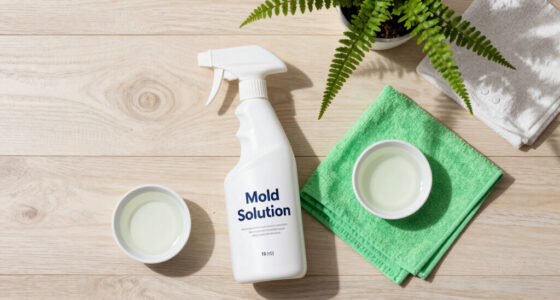
High humidity and poor airflow encourage mold and dust mites—controlling these is key to cleaner air.
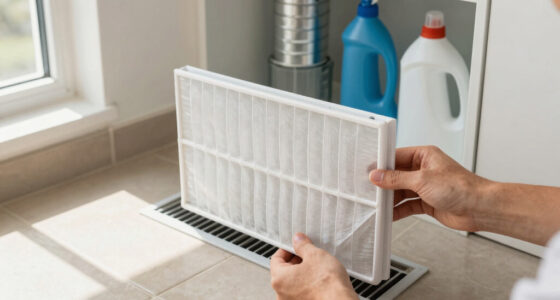
Regular maintenance of filters and monitoring equipment ensures ongoing indoor air safety.
What Really Makes Indoor Air Dirty (And How to Spot It)
Indoor air quality is shaped by a mix of sources inside your home and what comes from outside. Think of it like a stew—some ingredients you control, others sneak in.
Common indoor culprits include tobacco smoke, cooking fumes, household cleaners, and furnishings that emit chemicals. Outside pollutants like pollen and vehicle emissions drift in through open windows or poor seals. Biological contaminants such as mold, pet dander, and dust mites add to the mix.
Understanding these sources is crucial because they each have different implications for your health. For example, tobacco smoke and chemical emissions are often linked to respiratory problems and even cancer over long-term exposure. Pollen and outdoor pollutants can trigger allergies or asthma attacks. Recognizing signs like persistent odors, dust accumulation, or frequent allergy flare-ups can help you identify when your indoor environment is compromised. Monitoring levels of particles like PM2.5, VOCs, CO₂, and humidity provides a more precise picture—allowing you to target specific issues rather than just guessing.
By understanding these sources and signs, you can make informed decisions about ventilation, cleaning, and filtration—key steps toward healthier indoor air.
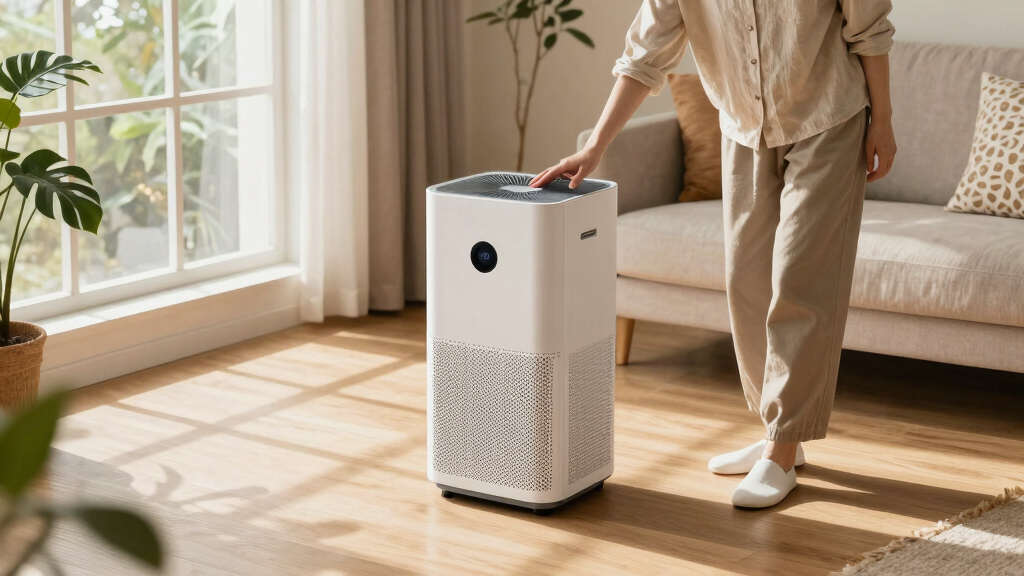
HEPA air purifier for indoor air quality
As an affiliate, we earn on qualifying purchases.
As an affiliate, we earn on qualifying purchases.
How Poor Air Quality Can Harm You (Even Without You Noticing)
Indoor pollutants aren’t just unpleasant—they can seriously impact your health. Short-term effects include headaches, dizziness, and irritated eyes or throat. These symptoms might seem minor but often indicate that your indoor air contains irritants or toxins that can aggravate underlying conditions.
Over time, prolonged exposure to poor indoor air quality can lead to more serious health issues. For instance, chemicals from cleaning products or building materials, like formaldehyde, are known carcinogens and can cause long-term respiratory problems. Particulate matter and biological contaminants like mold spores or pet dander can trigger or worsen asthma and allergies, reducing quality of life. In extreme cases, chronic exposure may contribute to cardiovascular problems, as pollutants enter your bloodstream through the lungs.
Vulnerable populations—such as children, the elderly, or those with pre-existing health conditions—are especially at risk because their immune systems are less capable of fighting off these irritants. Recognizing early symptoms like persistent coughs, fatigue, or frequent infections can alert you to underlying issues. Addressing poor air quality promptly not only prevents worsening health but also improves daily comfort and well-being.
As an affiliate, we earn on qualifying purchases.
The Smartest Ways to Measure & Monitor Your Indoor Air
Knowing whether your air is clean starts with simple measurements. Air quality monitors can track PM2.5 particles, VOCs, CO₂ levels, and humidity. For instance, a sudden spike in CO₂ might mean your room isn’t ventilated enough, which can lead to decreased alertness and cognitive function. High levels of VOCs, emitted from paints or cleaning products, can cause headaches and respiratory irritation. Monitoring humidity helps prevent mold growth, which not only damages your home but also poses health risks like allergies and asthma.
Using a monitor is as easy as setting it up on a shelf or nightstand. Many devices now connect to apps, giving you real-time data and alerts to act fast. Regular monitoring allows you to identify patterns—such as increased pollution during cooking or cleaning—and adjust your habits accordingly. Over time, this proactive approach helps you maintain a healthier indoor environment, minimizing exposure to harmful pollutants and ensuring your space remains safe and comfortable.
Investing in these tools isn’t just about data; it’s about empowering you to make informed decisions that protect your health daily.
As an affiliate, we earn on qualifying purchases.
Simple, Proven Steps to Breathe Cleaner Air Today
- Open windows and doors regularly to flush out stale air, especially during and after activities like cooking or cleaning that generate pollutants.
- Use HEPA air purifiers in rooms where you spend a lot of time, such as bedrooms and living areas, to actively remove airborne particles.
- Switch to low-VOC paints and cleaning products to reduce chemical emissions that can linger in the air and cause health issues.
- Fix leaks and control humidity to prevent mold growth, which can worsen allergies and respiratory problems. Use dehumidifiers if necessary to keep humidity levels between 30-50%.
- Vacuum with a HEPA filter regularly, especially if you have pets or allergies, to reduce dust mites and pet dander that can trigger asthma or allergic reactions.
For example, replacing chemical cleaners with natural vinegar and baking soda can drastically reduce VOCs. Adding a portable HEPA filter in your bedroom can cut dust mites and pet dander, helping allergy sufferers sleep better. These steps are straightforward, affordable, and provide immediate benefits—making your indoor air safer and more comfortable today.
As an affiliate, we earn on qualifying purchases.
Comparing Air Purifiers: Which One Works Best for Your Home?
| Feature | HEPA Filters | Activated Carbon | Combination Units |
|---|---|---|---|
| Best Against | Particulate Matter (dust, pollen, pet dander) | VOCs, odors, chemical fumes | Both particles and gases |
| Cost | Moderate | Lower to moderate | Higher |
| Maintenance | Filter replacement every 6-12 months | Replace or clean carbon filters as recommended | Requires both types of filters |
| Best For | Allergy sufferers, dusty environments | Smokers, homes with strong odors | Versatile, multi-purpose use |
Choosing the right purifier depends on your specific needs. For dust and pollen, a good HEPA filter does the job. If odors or chemical fumes are your concern, add an activated carbon filter. Many homes benefit from units that combine both for comprehensive coverage. However, it’s important to consider tradeoffs—such as higher costs or maintenance requirements—so you can select a solution that fits your lifestyle and budget while maximizing health benefits.
What You Can Do Right Now to Make Your Air Safer
Start by identifying your biggest indoor sources of pollution. Do you smoke indoors? Use chemical cleaners? Mold issues? Then, target those first. Eliminating or reducing these sources has immediate benefits, such as lowering airborne irritants and creating a more breathable environment.
Adding a couple of simple habits can change your air quality overnight. Open a window after cooking to let fumes escape, run a HEPA filter in the bedroom to trap allergens, or switch to natural cleaning products to reduce chemical emissions. These small actions can significantly decrease your exposure to harmful substances.
Remember, improving indoor air quality isn’t about achieving perfection overnight. Small, consistent steps—like maintaining cleanliness, increasing ventilation, and choosing safer products—build up over time, leading to a healthier home environment. The cumulative effect of these habits reduces long-term health risks and enhances overall comfort and well-being.
Frequently Asked Questions
How often should I change my air purifier’s filters?
Most HEPA filters need changing every 6 to 12 months, depending on usage and air quality. Always follow the manufacturer’s recommendations and check for visible dirt or reduced airflow.
Can opening windows really improve indoor air quality?
Yes. Regularly airing out your home helps dilute indoor pollutants and brings in fresh outdoor air. Just be mindful of outdoor air quality—avoid opening windows during heavy pollution or wildfire smoke.
Are natural cleaning products enough to keep indoor air safe?
They help reduce VOCs and chemical fumes, but they’re just one part of a bigger strategy. Combining natural cleaning with proper ventilation, air filtration, and humidity control creates a healthier home environment.
Does high humidity always mean mold will grow?
Not always, but humidity above 50% creates a perfect environment for mold and dust mites. Keeping humidity between 30-50% is a simple, effective way to prevent mold growth.
Conclusion
Breathing clean air inside your home is within reach—no need for complicated gadgets or costly renovations. Focus on controlling sources, boosting ventilation, and checking your air quality regularly.
Every small step you take adds up. Imagine walking into a space where the air is fresh, light, and free of irritants—that’s a home you can truly breathe in.
Halloween Picks
halloween
As an affiliate, we earn on qualifying purchases.