
TL;DR

Get cleaning gear delivered free — and shop member deals
- Fast, free delivery on millions of items
- Access to Prime Big Deal Days deals on October 6–7
- Prime Video, Amazon Music and more included
Improving indoor air quality doesn’t require new purchases. By ventilating regularly, cleaning thoroughly, reducing pollutant sources, and using natural methods, you can breathe cleaner air today. DIY solutions like homemade filters and smart habits make a real difference.
Breathing clean air at home often seems to require expensive gadgets or filters. But the truth is, you already have most of what you need. The secret lies in how you use your space and household routines.
By making a few simple changes—like opening windows more often, dusting diligently, and reducing indoor sources of pollution—you can turn your home into a healthier breathing space. Best of all? These tricks won’t cost you a thing.
Regularly ventilate your home by opening windows—especially after cooking or cleaning—to flush out indoor pollutants.
Deep clean surfaces, dust, and vacuum with HEPA filters to cut down airborne allergens and dust particles.
Eliminate or minimize pollutant sources like smoking, scented candles, and harsh chemicals using household staples like vinegar and baking soda.
Create DIY air purifiers with household items such as fans, filters, and activated charcoal to boost air quality naturally.
Maintain consistent habits—like routine cleaning and ventilation—to keep indoor air fresh without spending money.
Open Windows More Often to Refresh Your Air
Fresh air is your best friend for improving indoor quality. Opening windows creates a flow that pushes out stale, polluted air and invites in clean outdoor air.
Imagine a typical morning: cracking open a few windows for 10 minutes can cut indoor pollutants like dust, pet dander, and VOCs. Cross-ventilation—opening windows on opposite sides—boosts this effect, like creating a natural air filter that refreshes your whole home.
This simple habit can be especially effective after cooking, cleaning, or if someone in your house is feeling under the weather. While outdoor pollution levels vary, opening windows allows you to dilute indoor pollutants and prevent them from accumulating, which is crucial because stagnant air can trap allergens and chemicals, worsening health issues over time.
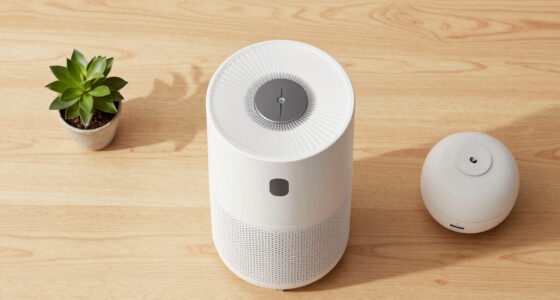
HEPA air purifier with replaceable filters
As an affiliate, we earn on qualifying purchases.
As an affiliate, we earn on qualifying purchases.
Deep Clean Your Home Using What You Already Have
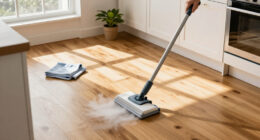
Regular dusting and vacuuming are key. Dust contains allergens and tiny particles that hang in the air, and if not removed, these can trigger allergies or asthma symptoms. Using your existing vacuum with a HEPA filter is especially important because HEPA filters are designed to trap very small particles, preventing them from re-entering the air and reducing long-term health risks.
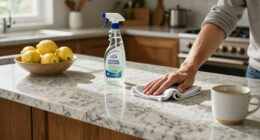
Wiping surfaces with a damp cloth is more than just tidying up; it reduces the amount of dust that can become airborne again. This is especially important for areas like shelves, furniture, and baseboards where dust tends to settle. Additionally, cleaning your HVAC filters, vents, and fans removes accumulated dust, mold spores, and pet hair, which are common sources of indoor pollutants that often go unnoticed but can significantly impact air quality over time.
Neglecting these routine cleanings can lead to increased airborne allergens, which may compromise respiratory health, especially for vulnerable groups like children, the elderly, or allergy sufferers.
As an affiliate, we earn on qualifying purchases.
Reduce Pollutant Sources Without Spending a Dime
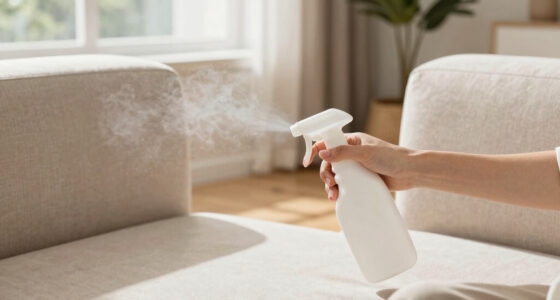
Indoor pollutants come from smoking, candles, cleaning chemicals, and even certain paints. Eliminating or reducing these sources instantly improves air quality and decreases exposure to harmful chemicals. For example, switching to natural cleaning methods like vinegar and baking soda not only reduces chemical exposure but also prevents the buildup of residues that can off-gas and contaminate indoor air.
Stopping indoor smoking is one of the most effective ways to improve air quality because tobacco smoke contains thousands of harmful chemicals that linger and settle into surfaces, re-emitting over time. Replacing scented candles with untreated beeswax or soy candles reduces the release of volatile organic compounds (VOCs), which can cause headaches, dizziness, and respiratory issues.
Managing humidity with existing fans or dehumidifiers helps prevent mold growth—a major indoor air pollutant. Mold spores can cause allergic reactions and respiratory problems, so controlling moisture is a critical step. While these methods are simple and cost-free, they require consistent application because mold can quickly re-establish if humidity levels rise again.
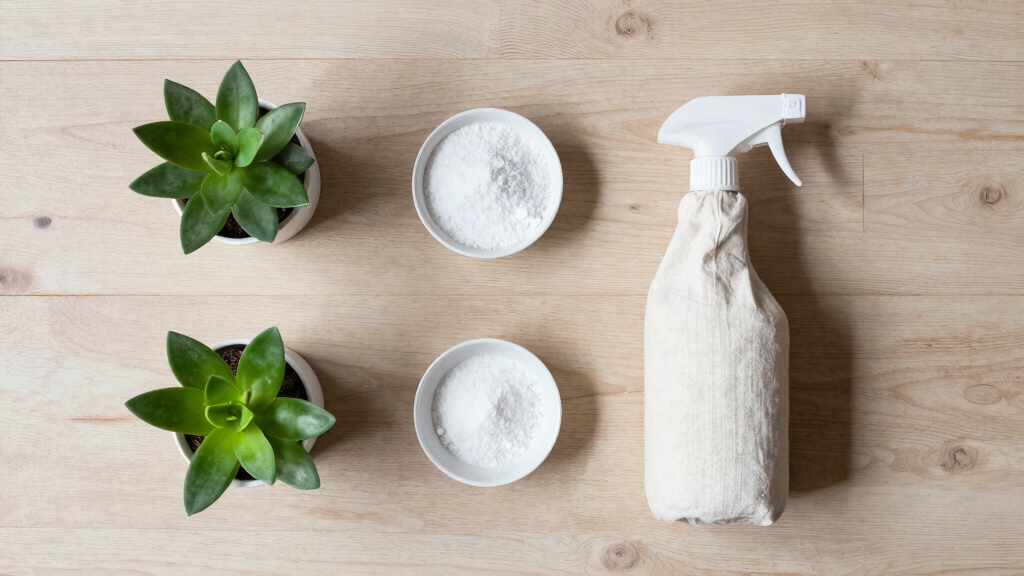
household cleaning supplies with vinegar and baking soda
As an affiliate, we earn on qualifying purchases.
As an affiliate, we earn on qualifying purchases.
Use Your Existing Household Items to DIY Air Purifiers
You can create simple air-cleaning devices using what’s already around. For instance, placing a box fan with a homemade filter—like a cut-to-size HEPA filter from an old appliance or activated charcoal from the pantry—can help trap dust and odors. While these DIY filters may not match commercial air purifiers in efficiency, they significantly reduce airborne particles and VOCs when used regularly in high-traffic areas.
Another idea: set a bowl of baking soda or activated charcoal in rooms to absorb smells and VOCs naturally. These inexpensive, readily available items work by chemically binding with odor molecules, preventing them from lingering or spreading. Regularly replacing or refreshing these materials ensures they continue to absorb effectively, which is essential because their capacity is limited.
Keeping these in common areas like the kitchen, living room, or bedrooms maximizes their impact, helping to improve overall indoor air quality without any extra cost or complex setup.
As an affiliate, we earn on qualifying purchases.
Compare Natural and DIY Air-Filtering Options
| Method | How It Works | Limitations |
|---|---|---|
| Open Windows | Creates airflow that replaces indoor air with fresh outdoor air, diluting pollutants and refreshing the environment. | Dependent on weather conditions; outdoor pollution levels can affect effectiveness, and in high pollution areas, it might introduce more pollutants than it removes. |
| Vacuum with HEPA Filter | Removes dust, pet dander, and allergens from surfaces and the air, reducing the amount of particles that can become airborne. | Requires regular maintenance and filter replacement; while effective, it doesn’t purify the air continuously like a dedicated air purifier. |
| Baking Soda & Charcoal | Absorbs odors and certain VOCs naturally through chemical adsorption, improving air freshness. | Limited capacity; needs frequent replacement or reactivation to maintain effectiveness, and may not remove all chemical pollutants. |
| Homemade Filter Fans | Captures particles as air passes through a household filter attached to a fan, providing a basic filtration system. | Less effective than commercial units; DIY setup may vary in quality, and airflow might be limited, reducing overall efficiency. |
Keep Improving Your Air Using What You Already Know
Apply these habits daily or weekly. Opening windows for 10-15 minutes helps dilute indoor pollutants, while dusting and vacuuming twice a week prevents accumulation of allergens. Wiping surfaces with a damp cloth reduces dust re-suspension, which is crucial for maintaining good air quality, especially in homes with pets or smokers.
Checking your existing fans, vents, and filters monthly ensures they are functioning properly and not contributing to poor air quality. Regular maintenance prevents the buildup of mold, dust, and other pollutants that can compromise respiratory health. Establishing a routine of cleaning and ventilation maximizes these efforts, creating a healthier environment without additional expenses or equipment.
Every household has the tools and routines to make a noticeable difference, and maintaining these habits consistently is key to long-term indoor air health.
Frequently Asked Questions
How often should I ventilate my home without windows open all day?
Aim for 10-15 minutes daily, especially after cooking or cleaning. Even quick window openings can significantly reduce indoor pollutants.Can I really improve air quality with household items alone?
Yes. Items like baking soda, activated charcoal, and household fans can absorb odors and particles, making your air cleaner without any extra purchase.Are houseplants helpful for indoor air quality?
They can absorb some toxins, but they shouldn’t replace good ventilation and cleaning. Use them as a supplement, not a main solution.How do I know if my indoor air is polluted?
You can use free or low-cost air quality monitors or apps. Look for signs like lingering smells, dust, or allergy symptoms worsening indoors.What’s the most cost-effective way to keep air clean long-term?
Consistent habits—ventilating daily, cleaning weekly, and reducing pollutant sources—are your best free tools for ongoing air quality.Conclusion
Your home’s air quality improves more from daily habits than from expensive gadgets. Simple steps like opening windows, cleaning thoroughly, and using household items as air filters can make a real difference. Breathing cleaner air isn’t about buying new—it’s about making the most of what you already have.Next time you think about freshening your space, remember: your best tools are your routines and your home itself. A few small changes can turn your indoor air into a breath of fresh air—without opening your wallet.
Halloween Picks
halloween
As an affiliate, we earn on qualifying purchases.