
TL;DR

Get cleaning gear delivered free with Prime
- Fast, free delivery on millions of items
- Prime Video, Amazon Music and more included
- Member-only deals all year
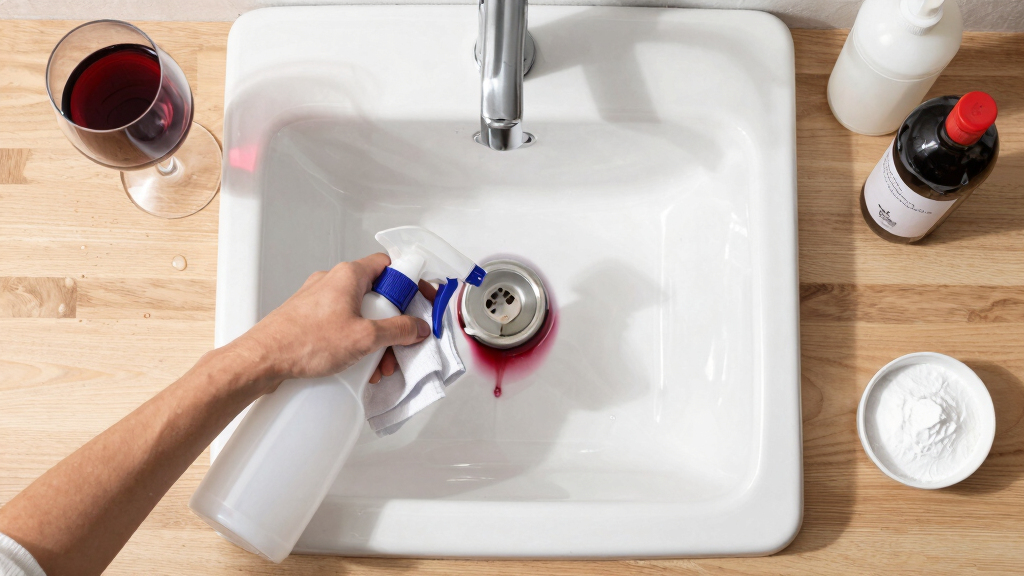
Act fast when dealing with red wine stains. Blot, treat immediately with household items like salt or baking soda, and choose appropriate cleaning techniques based on the material. Fresh stains are much easier to remove than dried ones.
Act immediately—blot and salt the stain within seconds for best results.
Use cold water as your first line of attack—hot water sets the stain.
Household items like baking soda, vinegar, and club soda are surprisingly effective when applied promptly, but their effectiveness diminishes if you delay.
Test any cleaning method on a hidden area first to avoid damage or discoloration.
Persistent or dried stains may need enzyme cleaners or professional help, as some compounds become resistant over time.
How to Remove Red Wine Stains From Almost Anything
A spill is not a verdict. Blot immediately, choose the treatment that matches the material, and keep heat away until every trace of pigment is gone.
“Speed beats scrubbing. Lift the wine before tannins and pigments bind to the fibers.”
Cold water and an absorbent treatment can interrupt the stain-setting process in its earliest stage.
Stop the stain before it sets
Red wine contains tannins and anthocyanin pigments that cling to porous fibers. Follow this sequence gently and quickly; aggressive rubbing only spreads the liquid and drives it deeper.
Blot
Press with a clean white cloth. Work from the outside toward the center.
Absorb
Cover a fresh fabric or carpet spill with salt as a temporary moisture draw.
Cold rinse
For washable fabric, rinse from the back so wine is pushed out—not through.
Treat
Match the cleaner to the material and spot-test in a hidden location.
Clean
Follow the care label. Air-dry and inspect before introducing any heat.
Never rub, heat, or machine-dry an unresolved stain.
Friction embeds pigment. Hot water and dryer heat can set what remains, making the mark substantially harder to remove.
Match the method to the material
The safest solution depends on fiber type, colorfastness, construction, and care instructions. Delicate or valuable pieces should go directly to a professional cleaner.
| Surface | Best first treatment | Use? | Critical caution |
|---|---|---|---|
| Washable clothing | Cold back-rinse, then stain remover or baking-soda paste | ✓Cold wash | Check the care label; air-dry until the stain is gone |
| White cotton | Dish soap plus diluted hydrogen peroxide | ~Peroxide | Spot-test; peroxide can weaken fibers with overuse |
| Silk or wool | Gentle cold-water blot with mild soap | ✗Bleach | Skip peroxide and harsh cleaners; seek professional care |
| Carpet | Blot, then cold water with a small amount of mild detergent | ✓Blotting | Do not scrub or saturate the backing |
| Upholstery | Blot, then diluted vinegar solution or approved cleaner | ~Vinegar | Read the fabric tag and minimize moisture |
| Wood or tile | Damp cloth followed by mild soap | ✓Quick wipe | Dry immediately, especially on porous or unsealed surfaces |
Five household helpers
Simple products can be effective when the spill is fresh. Their usefulness falls as the stain dries, and none replaces a care-label check or hidden-area test.
Salt
Best for: fresh fabric and carpet spills. Draws out liquid while you prepare the proper cleaning method.
Baking soda
Best for: washable fabric and some upholstery. Its mild alkalinity can help loosen residue.
White vinegar
Best for: hard surfaces and compatible upholstery. Dilute first and test colored fabric carefully.
Club soda
Best for: fresh fibers. Carbonation and water help loosen wine so it can be blotted away.
Peroxide
Best for: stubborn marks on white fabrics. Never assume it is safe on colored or delicate material.
Why the sequence works
Every action has one job: limit penetration, remove loose pigment, break down what remains, and prevent heat from locking residual color into the surface.
What is the fastest treatment for clothing?
Blot immediately, rinse from the back with cold water, apply a fabric-safe stain treatment, then wash cold according to the care label.
Can carpet and upholstery be saved?
Usually, yes. Blot thoroughly, use minimal cold cleaning solution, and keep working gently. Stubborn or delicate pieces may need professional cleaning.
Should bleach be used?
Only when the care label permits it, typically on suitable white fabrics, and only after a spot test. Gentler treatments are the safer starting point.
What about an old, dried stain?
Rehydrate it with cold water, apply an enzyme-based or fabric-specific stain remover, allow the stated dwell time, and repeat before laundering.
What is the biggest mistake?
Scrubbing or applying heat. Both can turn a manageable fresh spill into a deep, set stain. The winning formula is simple: act fast, blot gently, treat precisely, and inspect before drying.
Why Acting Fast Is Your Best Bet Against Red Wine Stains
Red wine stains set quickly if you don’t intervene right away. The pigments and tannins sink into fibers, making them harder to lift over time. When you act immediately, you prevent these compounds from penetrating deeply, which is crucial because once they bind tightly, typical cleaning methods struggle to remove them completely. The faster you respond, the less the stain penetrates, reducing the need for harsh chemicals or professional treatments later. This rapid response also minimizes the risk of the stain setting permanently, which can happen if you wait and use incorrect methods. Think of it like a race against time—each second counts in preserving the look of your fabric or surface.
For example, in a recent incident, a friend spilled merlot on her white blouse. She blotted with a cloth and applied salt within 30 seconds. Her stain faded dramatically after a quick rinse and wash. The key takeaway? The faster you respond, the better your chances of saving your clothes or furniture.
As an affiliate, we earn on qualifying purchases.
Step-by-Step: How to Kill a Red Wine Stain Before It Sets
- Blot the excess wine with a clean, dry cloth or paper towel—don’t rub, just soak up as much as possible. Rubbing can push the stain deeper into fibers, making it more difficult to remove later. Blotting is a gentle way to lift the liquid without spreading it or embedding it further.
- Sprinkle generous amounts of salt immediately—this absorbs the wine and prevents it from sinking deeper. Salt acts as a physical barrier, drawing moisture out of the fibers. The tradeoff is that excessive salt can sometimes be difficult to fully rinse out and may cause residue if not cleaned properly, so it’s best used as a temporary measure followed by proper washing.
- Rinse the fabric or surface with cold water, ideally from the back to push the stain out. Cold water slows the chemical reactions that cause staining compounds to set. Rinsing from the back helps force the stain out rather than pushing it further into the fibers, which is especially important for porous materials.
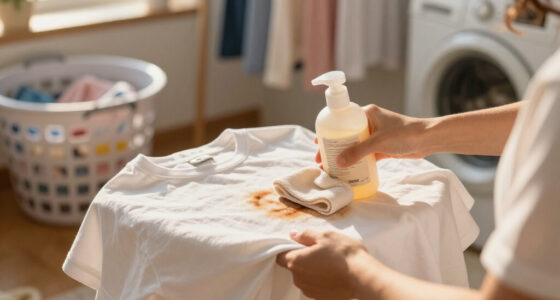
- Apply a stain remover, or a homemade solution like a mixture of dish soap and hydrogen peroxide (for white fabrics). The choice of cleaner depends on the fabric and the stain’s age. Hydrogen peroxide acts as a bleaching agent on whites but can weaken or discolor colored fabrics, so test first. Using the right solution ensures you target the stain effectively without damaging the material.
- Wash or clean as recommended for the material, preferably in cold water. This final step helps remove residual stains and cleaning agents, preventing re-settling. Always follow the fabric’s care label to avoid unintended damage.
For example, on a silk shirt, skip the peroxide. Instead, dab gently with cold water and a mild soap. Follow the fabric’s care label. Quick, gentle steps matter more than heavy scrubbing.
As an affiliate, we earn on qualifying purchases.
How to Remove Wine Stains From Different Surfaces
| Surface | Best Method | Notes |
|---|---|---|
| Clothing | Cold water rinse + stain remover or baking soda paste | Test on hidden area first; consider fabric type to prevent damage |
| Carpet | Blot + mix of cold water and mild detergent | Avoid rubbing to prevent spreading the stain and damaging fibers; gentle blotting is key |
| Upholstery | Blot + vinegar solution or commercial upholstery cleaner | Check fabric tags before cleaning; some fabrics may be sensitive to vinegar or cleaners |
| Hard surfaces (wood, tile) | Wipe with damp cloth + mild soap | Dry immediately to prevent staining or water damage; avoid excessive moisture on porous surfaces |
As an affiliate, we earn on qualifying purchases.
Household Items That Can Help You Win the Stain Battle
- Salt: Absorbs wine instantly, especially on fabrics and carpets. Its effectiveness depends on prompt application; waiting allows the stain to set, reducing salt’s ability to draw out the liquid.
- Baking soda: Creates a paste to lift stains from fabric and upholstery. Baking soda’s mild abrasiveness and alkalinity help break down the stain molecules, but it works best when applied early. Waiting too long can diminish its effectiveness.
- White vinegar: Neutralizes pigments on hard surfaces and some fabrics. Its acidity can also help loosen the stain’s chemical bonds, making it easier to remove. However, on delicate or colored fabrics, vinegar can cause discoloration if not diluted properly.
- Club soda: The carbonation helps lift wine from fibers when poured directly on the stain. The bubbles can break up the stain molecules, making them easier to blot away. It’s most effective on fresh stains and can be used as a gentle rinse.
- Hydrogen peroxide: Bleaching effect works well on whites but test first to avoid discoloration. Its oxidizing properties break down the pigments, but overuse or use on colored fabrics can cause bleaching or damage. Use sparingly and always test first.
As an affiliate, we earn on qualifying purchases.
Frequently Asked Questions
What’s the fastest way to remove a red wine stain from clothing?
Blot the stain immediately with a clean cloth, then rinse with cold water. Sprinkle salt or baking soda to absorb the wine, and treat with a stain remover or a mix of dish soap and hydrogen peroxide. Wash in cold water afterward.Can I remove wine stains from carpets or upholstery?
Yes. Blot the excess wine, then treat with a mixture of cold water and mild detergent or use specialized upholstery cleaners. For stubborn stains, a professional cleaning might be your best bet. Remember, patience and gentle handling are key to avoid embedding the stain further or damaging delicate fibers.Are household items like vinegar and club soda effective for wine stains?
Absolutely. Vinegar neutralizes pigments and loosens the stain’s bonds, while club soda’s carbonation helps lift stain molecules from fibers. When used promptly, these household items can be surprisingly effective, but their efficacy decreases if you delay treatment.Should I use bleach on wine stains?
Use bleach only on white fabrics and always perform a spot test first. Bleach can cause discoloration or weaken colored fabrics, so it’s safer to try gentler options first. Overuse or misuse can lead to permanent damage, so caution is advised.What’s the biggest mistake to avoid when removing wine stains?
Don’t delay or scrub vigorously, as this can push the stain deeper or damage fibers. Hot water can set the stain permanently, and harsh chemicals might cause discoloration. Acting quickly and gently is your best strategy to preserve your fabrics and surfaces.Conclusion
When red wine hits your favorite fabric or carpet, don’t panic. Quick, gentle action combined with the right household tricks can save the day. Remember: the sooner you respond, the brighter your chances of wiping the stain away—before it becomes a permanent mark on your memories and your surfaces.Halloween Picks
halloween
As an affiliate, we earn on qualifying purchases.