TL;DR

Get cleaning gear delivered free — and shop member deals
- Fast, free delivery on millions of items
- Access to Prime Big Deal Days deals on October 6–7
- Prime Video, Amazon Music and more included
Hard water stains are calcium deposits that cling to glass, causing cloudy patches. Using vinegar, baking soda, or commercial cleaners can effectively remove these stains. Regular cleaning and preventive measures keep your shower doors crystal clear.
Nothing kills the sparkle of your shower glass quite like stubborn hard water stains. These chalky, white deposits seem to appear overnight, turning clear glass into a hazy fog. But don’t worry—removing them isn’t a complicated chore. With a few simple tricks, you can restore your shower doors to their original shine and keep them that way.
In this guide, you’ll learn exactly how to banish those mineral deposits using everyday ingredients and smart cleaning habits. Whether you’re tired of scrubbing with little results or just want to prevent future buildup, these practical tips are here to help you get your glass looking pristine—without harsh chemicals or expensive products.
Vinegar’s acetic acid dissolves calcium carbonate, making it a safe, effective cleaner for most mineral stains.
Regular wiping with a squeegee or cloth after each shower prevents buildup and saves time.
Water softeners and filters significantly reduce mineral content, cutting down on future stains.
Gentle tools like microfiber cloths prevent scratching glass while cleaning.
Protective coatings can create a water-repellent barrier, reducing stain formation over time.
What Are Hard Water Stains and Why Do They Stick So Bad?
Hard water contains minerals like calcium and magnesium that leave behind deposits on glass surfaces. When water drips and evaporates, these minerals crystallize into chalky, white stains. Over time, they build up, making your shower look cloudy and dull.
Think of it this way: imagine leaving a glass of milk out overnight. The milk’s surface dries up, leaving a crusty, white film. Similarly, when water with mineral content evaporates from your shower glass, it leaves behind tiny mineral particles. These particles are invisible at first but gradually accumulate, much like how salt crystals form on a damp rock. As the mineral deposits build, they create a persistent, cloudy haze that’s tough to remove with just water and soap. Recognizing this process helps you understand why stubborn stains require specific treatments—simple scrubbing won’t do the trick because the minerals are chemically bonded to the glass, not just sitting on top.
For example, if you live in an area with hard water, you might notice your shower door turning cloudy faster than neighbors in softer water regions. This is because their water contains fewer minerals, making stains less likely to form or easier to remove. Knowing this, you can see why applying a vinegar solution or a protective coating can make a significant difference—they can break down or prevent these mineral bonds from forming.
glass shower door hard water stain remover
As an affiliate, we earn on qualifying purchases.
As an affiliate, we earn on qualifying purchases.
How to Remove Hard Water Stains From Glass Shower Doors in 3 Simple Steps
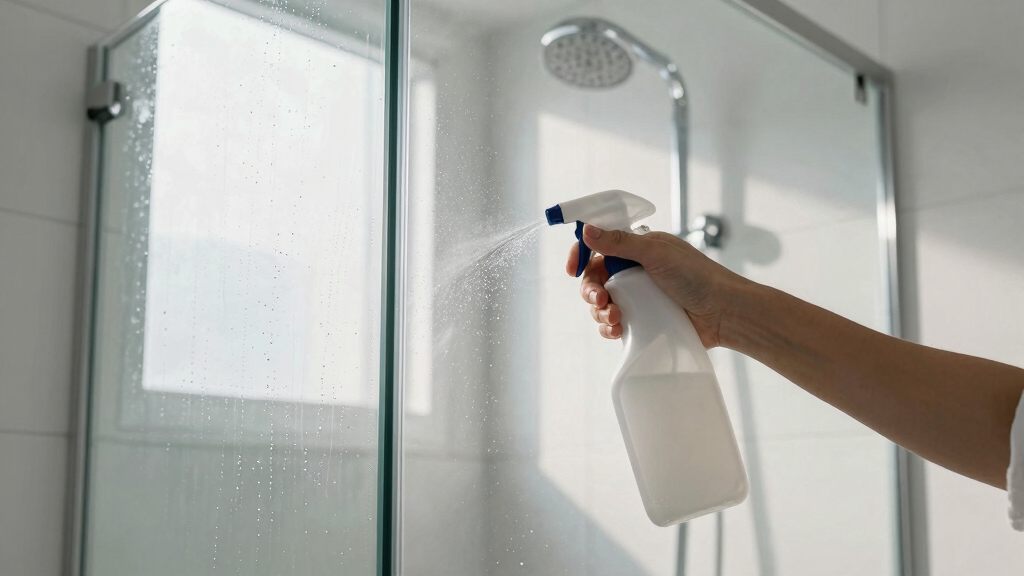
- Spray or apply a vinegar solution directly onto the stained areas. For example, imagine using a spray bottle filled with equal parts vinegar and water, spritzing it generously over the cloudy patches, much like watering plants. Alternatively, soak a cloth in vinegar and press it onto the stains, similar to applying a compress to a bruise.
- Let it sit for 5-10 minutes. During this time, picture the vinegar’s acetic acid working like a magnet, pulling apart the mineral crystals that have bonded to the glass. Think of it as loosening a stubborn glue—this dwell time allows the acid to penetrate and dissolve calcium carbonate deposits, making them easier to rinse away.
- Scrub gently with a microfiber cloth or non-abrasive sponge. Rinse with warm water and wipe dry for a streak-free shine. For example, imagine gently wiping away a foggy mirror with a soft cloth, revealing a clear, shiny surface underneath. Repeating this process or adding baking soda creates a gentle abrasive action, similar to scrubbing a stubborn stain with a soft brush—effective yet safe for your glass. This approach ensures you’re not scratching or etching the surface, which could make stains worse over time.
This process works because vinegar’s acetic acid dissolves calcium carbonate, the main component of hard water stains. For particularly tough stains, think of it as using a stronger cleaning tool—repeating the process or combining it with baking soda—can help lift even the most stubborn deposits. Remember, patience and gentle techniques are key; rushing or using harsh scrubbing can scratch your glass, making stains more visible. Regular application of this method acts like a preventive shield, keeping mineral buildup at bay and reducing long-term cleaning efforts.
vinegar cleaning spray for shower glass
As an affiliate, we earn on qualifying purchases.
As an affiliate, we earn on qualifying purchases.
Natural vs. Commercial Cleaners: Which Works Better on Stubborn Stains?
| Type of Cleaner | Effectiveness | Pros | Cons |
|---|---|---|---|
| Natural (Vinegar, Lemon, Baking Soda) | Good for light to moderate stains, especially when stains are recent or less ingrained. For example, if you notice a faint haze after a few days of missed cleaning, natural remedies can usually handle it. They rely on chemical reactions to dissolve mineral deposits but may need multiple applications for stubborn stains, similar to how a gentle scrub might need to be repeated to remove a stain on fabric. | Safe, affordable, eco-friendly, non-toxic, and readily available. They also tend to be gentler on glass and fixtures, reducing the risk of damage. For example, using vinegar is like giving your glass a gentle bath—effective yet safe enough to use regularly without worry. | Less effective on deeply ingrained or old stains. They require patience and repeated application, much like trying to erase a permanent marker with a mild cleaner. Their effectiveness diminishes if stains are allowed to set for a long time without maintenance, similar to how dried paint is harder to remove than fresh paint. |
| Commercial Lime Scale Removers | Highly effective, especially on severe or old stains. These products contain concentrated acids or chelating agents designed to break down mineral buildup quickly. Think of them as the heavy-duty cleaners like industrial-strength paint removers that can tackle tough grime in a single session. | Fast-acting, powerful, and capable of restoring clarity in a single treatment. Ideal for heavy-duty cleaning or when natural remedies fail, much like calling in a professional to handle a stubborn stain. | Can be harsh, potentially damaging if used improperly. They may scratch or etch glass if not applied carefully, similar to how using a rough abrasive on delicate china could cause scratches. Often contain strong chemicals that require protective gear and proper disposal, like handling strong acids in a lab setting. |
Choosing between natural and commercial cleaners depends on the severity of your stains and your priorities. If your shower glass is only mildly foggy, natural remedies are like using a gentle scrub brush—safe and sufficient. For more stubborn, ingrained stains, think of commercial cleaners as a power washer—quick but requiring careful handling. Understanding these tradeoffs helps you select the most appropriate cleaning strategy, balancing safety, effectiveness, and convenience, much like choosing the right tool for a home repair.
water stain removal microfiber cloth
As an affiliate, we earn on qualifying purchases.
As an affiliate, we earn on qualifying purchases.
Frequently Asked Questions
What is the best way to remove hard water stains from glass shower doors?
The most effective method is to spray a mixture of vinegar and water onto the stains, let it sit for 5-10 minutes, then scrub gently with a microfiber cloth. For stubborn stains, repeat or add baking soda for extra scrubbing power.
How often should I clean my shower doors to prevent hard water stains?
If you wipe down your doors with a squeegee or cloth after every shower, weekly cleaning keeps stains at bay. Regular maintenance prevents buildup from becoming tough and time-consuming.
Are natural remedies as effective as commercial products?
For light stains, natural remedies like vinegar or lemon juice work well. For stubborn or old stains, commercial cleaners with acids are more powerful but should be used carefully to avoid damage.
Can I use bleach or other harsh chemicals?
It’s best to avoid bleach or harsh chemicals on glass, as they can cause damage or leave residues. Stick to acids like vinegar or specialized mineral cleaners for safe, effective results.
How can I prevent future hard water stains?
Use a water softener or filter, wipe down glass after each shower, and periodically apply protective coatings. These habits keep your shower clear and reduce the need for deep cleaning.
As an affiliate, we earn on qualifying purchases.
Conclusion
Keeping your glass shower doors spotless isn’t just about cleaning—it’s about prevention, too. A quick wipe after each shower and a periodic application of a water-repellent coating can save you hours of scrubbing later. Think of your shower glass as a mirror to your bathroom habits: the cleaner you keep it, the brighter your space feels.
Next time you see a cloudy haze creeping in, remember: simple ingredients and regular habits make all the difference. Your sparkling shower doors are just a few easy steps away—no harsh chemicals required.
Halloween Picks
halloween
As an affiliate, we earn on qualifying purchases.