Use this guide to treat a carpet stain with a suitable eco-friendly cleaner, limit damage, and check whether the stain has lifted. It is for beginners who can blot a spill and follow a product label; most stains take 20-45 minutes to treat, followed by several hours of drying.

Get cleaning gear delivered free with Prime
- Fast, free delivery on millions of items
- Prime Video, Amazon Music and more included
- Member-only deals all year

Biokleen Bac-Out Enzyme Cleaner Spray and Stain & Odor Remover, Lime Scent, 32 Ounces
- ✔ Size: 32 ounces
- ✔ Scent: Lime
- ✔ Made in: USA

Whip It Cleaner Multi-Purpose Stain Remover Professional Strength Spray – Plant Based Enzyme Cleaner, 32 OZ
- ✔ Size: 32 ounces
- ✔ Made in: USA
- ✔ Ingredients described: Eucalyptus, citrus, and corn-based ingredients

Biokleen Bac-Out Stain Remover for Clothes & Carpet – 32 Ounce
- ✔ Size: 32 ounces
- ✔ Made in: USA
- ✔ Formulation: Enzymatic and plant-based
Start by identifying the carpet fiber and stain type when possible. Use a carpet-safe cleaner whose label lists the intended use, and test it on a hidden area before treating the visible stain.
Difficulty: Beginner | Time: 20-45 minutes, plus drying time
What You’ll Need
Tools & Materials:
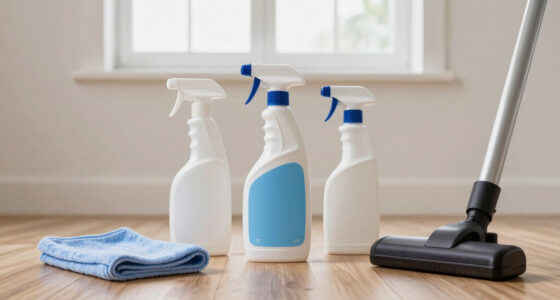
- White absorbent cloths or plain white paper towels
- A spoon or dull knife for lifting solids
- A small bowl and cool water
- A carpet-safe, lower-impact stain remover with clear ingredient and use directions
- Optional: a fan to speed drying
Knowledge:
- Basic blotting technique
- Ability to check the carpet care label or identify carpet fiber if available
Choose a product labeled for carpets and, where possible, for your fiber type. “Natural” does not automatically mean safe for carpet or people. Avoid mixing cleaners, and follow the label for ventilation, contact time, and any protective equipment. For wool, silk, antique, or unknown specialty carpet, check the manufacturer’s care instructions or contact a carpet professional before applying a cleaner.
Biokleen Bac-Out Enzyme Cleaner Spray and Stain & Odor Remover, Lime Scent, 32 Ounces
Biokleen Bac-Out Lime Scent is our most balanced choice for households that want one ready-to-use spray for carpet spills, pet accidents, and other organic messes. Its combination of live enzyme cultures and plant-based surfactants is presented as a way to tackle both stains and odors, while citrus extracts distinguish it from the other Biokleen listing, which highlights the absence of artificial fragrance.Compared with Whip It Pro Strength, this Bac-Out listing is more specifically framed around stain and odor cleanup for common household messes. Whip It covers more named application areas, including automotive and marine stains, so it may suit users who want a broader all-purpose spray. The lime scent is also a meaningful preference difference: the description says there are no artificial fragrances, but buyers seeking an unscented product may prefer the other Biokleen listing. For heavily set stains, the maker notes repeat applications may be needed, so this is not a guaranteed one-pass fix.
Pros:
- Ready to use at full strength; no dilution required.
- Described for carpet, pet messes, wine, laundry, and other uses.
- Combines live enzyme cultures, citrus extracts, and plant-based surfactants.
- Free of artificial fragrances, colors, and preservatives, according to the supplied description.
Cons:
- Heavily set stains may require multiple applications.
- Lime scent may not suit shoppers seeking a fragrance-free experience.
Best for: Households seeking a ready-to-use enzyme spray for carpet, pet accidents, wine, and related organic stains, with a lime scent.
Not ideal for: Buyers who need an explicitly unscented option or expect a single treatment to lift heavily set-in stains.
Bottom line: Choose this Bac-Out listing for the best balance of carpet-focused versatility and an enzyme-based, ready-to-use formula, provided the lime scent suits your home.
“Choose this Bac-Out listing for the best balance of carpet-focused versatility and an enzyme-based, ready-to-use formula, provided the lime scent suits your home.”
Whip It Cleaner Multi-Purpose Stain Remover Professional Strength Spray – Plant Based Enzyme Cleaner, 32 OZ
Whip It Pro Strength stands apart by extending its stated use beyond carpet to upholstery, fabric, and a wide range of other applications. Its plant-based enzyme formula is described as suitable for food, wine, pet, marine, and automotive stains, which makes it the most versatile pick in this group for a home or workspace with varied cleanup needs.That breadth is the reason to choose it over either Biokleen Bac-Out listing; the Biokleen products are more clearly positioned around household organic stains and odor removal. Whip It is premixed and described as a spray-and-wipe option, but its own guidance excludes some porous or unsealed surfaces, including certain stone and glass finishes. Tough stains may also need repeat treatment, and the product description acknowledges that some marks may remain. Buyers focused only on carpet may find Biokleen’s more targeted stain-and-odor framing a closer fit.
Pros:
- Stated for carpet, upholstery, fabric, and a broad range of other uses.
- Plant-based enzyme cleaner described without alcohol, ammonia, bleach, or dyes.
- Premixed spray supports quick application.
- Targets food, wine, pet, marine, and automotive stains.
Cons:
- Not suitable for some porous or unsealed surfaces.
- Tough stains may need repeat applications, and some stains may remain.
- Its broad multi-purpose positioning is less specifically focused on carpet odor removal than Bac-Out.
Best for: Buyers who want one plant-based spray described for carpets, upholstery, fabrics, and varied household or vehicle stains.
Not ideal for: Those seeking a carpet-only formula, or anyone needing a remover suitable for porous or unsealed surfaces without checking compatibility first.
Bottom line: Pick Whip It when multi-surface flexibility matters most and you are prepared to check surface compatibility before spraying.
“Pick Whip It when multi-surface flexibility matters most and you are prepared to check surface compatibility before spraying.”
Biokleen Bac-Out Stain Remover for Clothes & Carpet – 32 Ounce
Biokleen Bac-Out for Clothes & Carpet is the ingredient-conscious choice for shoppers who want a straightforward enzyme spray and place particular importance on avoiding added artificial fragrance, dyes, phosphates, chlorine, or ammonia. Like the lime-scented Bac-Out, it uses live enzyme cultures in a ready-to-use formula and is described for pet accidents, wine, diapers, laundry, and carpets.Compared with the lime-scented Bac-Out, this listing makes the no-artificial-fragrance claim more explicit, which may better match a fragrance-sensitive household. It is less appealing for delicate fabrics, however: the description specifically warns that enzymes may affect them. Whip It offers broader named applications beyond clothing and carpet, while this Bac-Out listing is the more focused option for household organic stains. As with the other enzyme sprays, buyers should expect that set-in marks can take more than one application.
Pros:
- Ready-to-use formula needs no dilution.
- Described for carpets, clothes, pet accidents, wine, and cloth diapers.
- Plant-based and biodegradable ingredients are claimed in the supplied description.
- No artificial fragrance, dyes, phosphates, chlorine, or ammonia, according to the listing.
Cons:
- May require multiple applications on heavily set stains.
- Not suitable for delicate fabrics that may be affected by enzymes.
- The description is more focused on clothing and carpet than Whip It’s broader range of applications.
Best for: Shoppers who want a ready-to-use enzyme cleaner for carpet and clothing and prioritize avoiding artificial fragrance, dyes, phosphates, chlorine, and ammonia.
Not ideal for: People cleaning delicate enzyme-sensitive fabrics or those looking for a multi-surface spray for uses beyond household stains and textiles.
Bottom line: Choose this Bac-Out version when an explicit no-artificial-fragrance ingredient profile matters more than broad multi-surface use.
“Choose this Bac-Out version when an explicit no-artificial-fragrance ingredient profile matters more than broad multi-surface use.”
As an Amazon Associate we earn from qualifying purchases.
Before You Start
Move furniture away from the spot and keep children and pets out of the work area while you clean and until the carpet is dry. Do not scrub, since friction can spread the stain and roughen carpet fibers. Do not use hot water unless the product and carpet instructions permit it; heat can set some stains. Never combine cleaning products, including vinegar, bleach, ammonia, or commercial stain removers.
Work from the outer edge of the stain toward its center. This helps keep the mark from spreading. If the spill is fresh, begin blotting promptly. If the stain is dried, lift any loose material carefully before applying liquid.
Step-by-Step Instructions
Step 1: Check the carpet and identify the stain
Check the carpet label, care instructions, or manufacturer’s guidance for fiber and cleaning limits. Identify what caused the stain if you can: food, mud, coffee, grease, pet waste, or another substance. Read the stain remover label and confirm it is meant for your carpet type and stain.
If you do not know the fiber or the cleaner’s compatibility, test a hidden area first. Do not proceed with a product that warns against use on your carpet.
Tip: Wool and other protein-based fibers can react poorly to strongly alkaline cleaners. Follow fiber-specific instructions rather than relying on a general household recipe.
Check: You know which cleaner to use, or have decided to seek fiber-specific advice before applying anything.
Step 2: Lift solids and blot excess liquid
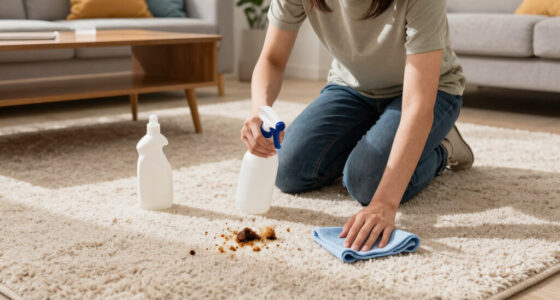
Put on any protective equipment specified by the cleaner label. If the stain contains solids, lift them with a spoon or dull knife, working from the outside inward. For a wet spill, press a clean white cloth or paper towel onto the area to absorb liquid. Lift the cloth and repeat with a dry section until it picks up little or no moisture.
Use gentle pressure and avoid rubbing back and forth. Dispose of contaminated towels appropriately, especially after pet waste or bodily fluids.
Tip: Use white cloths so dye from a colored towel cannot transfer to the carpet.
Check: Loose material is removed and excess liquid has been absorbed without enlarging the stain.
Apply a small amount of cleaner to an inconspicuous carpet area, following the product directions. Leave it for the stated contact time, then blot or rinse as the label directs. Let the test patch dry fully before checking it in good light.
Stop if the carpet color transfers to the cloth, the fibers change texture, or the test patch looks different after drying. Choose another carpet-safe option or contact a professional.
Tip: A damp test patch can look darker than the surrounding carpet. Judge the color only after it has dried.
Check: The hidden area shows no color loss, texture change, or other visible damage after drying.
Step 4: Apply cleaner to the stain
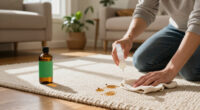
Follow the product’s dose and application directions. Apply cleaner to a white cloth first if the label permits, or use the recommended spray method. Use only enough liquid to dampen the stained fibers; do not soak the carpet backing or pad.
Work from the stain’s outer edge toward the center. Let the cleaner sit for the label’s stated contact time, and do not leave it longer than directed.
Tip: If the stain is large, treat a small section at a time so the cleaner does not dry before you blot it.
Check: The stained area is lightly and evenly treated, with no pooling or oversaturation.
Step 5: Blot and repeat if needed
Press a clean white cloth onto the treated area, then lift it straight up. Rotate to a clean section of cloth after each press. Repeat until the cloth no longer picks up visible stain or the carpet looks clean.
If a mark remains, repeat the cleaner application once or as allowed by its label. Do not scrub or use several products in succession.
Tip: Some stains lift gradually. Repeated gentle blotting is safer than forceful rubbing.
Check: The stain has faded or lifted, and blotting no longer transfers much color to a clean section of cloth.
Step 6: Rinse away residue when directed
Check whether the product label calls for rinsing. If it does, dampen a clean cloth with cool water and blot the treated area, using small amounts of water. Follow with a dry cloth to absorb moisture. Repeat the water blot only as directed; excessive rinsing can wet the carpet backing.
If the label says not to rinse, follow that instruction instead.
Tip: Cleaner residue can attract soil. Remove it as directed, but avoid flooding the carpet to do so.
Check: The area is free of visible cleaner residue and is damp rather than saturated.
Step 7: Dry the carpet and inspect it
Press a dry towel onto the area to absorb remaining moisture. Let the carpet air-dry, and use a fan if available. Keep people and pets away until it is fully dry. Check the stain again in daylight after drying; damp fibers can hide remaining discoloration.
If a faint mark remains, consult the product label before repeating treatment. Stop if the carpet looks damaged or the stain spreads.
Tip: Do not replace furniture until the carpet is dry. Moisture trapped beneath furniture can transfer color or encourage odor.
Check: The carpet is dry, the fibers look unchanged, and the stain is gone or reduced to a clearly assessed remaining mark.
Common Mistakes to Avoid
- Scrubbing the stain or working from its center outward. — Blot with light pressure and move from the outer edge toward the center to limit spreading and fiber damage.
- Applying a cleaner without checking carpet compatibility. — Read the carpet care guidance and product label, then test a hidden patch and wait for it to dry before treating the visible area.
- Using too much liquid or leaving cleaner on too long. — Use only the label-directed amount and contact time. Blot excess liquid instead of soaking the carpet.
- Mixing cleaners or adding a home remedy on top of a commercial product. — Use one cleaner at a time and follow its label. Blot and rinse as directed before considering another treatment.
Troubleshooting
Problem: The stain spreads while you clean.
Solution: Stop applying liquid. Blot from the outside edge inward with a dry white cloth, using a fresh area for each press. Resume only when the spread is contained and the product label permits another application.
Problem: The stain remains after treatment.
Solution: Let the area dry and reassess it in good light. Check whether the product is suitable for that stain and fiber, then repeat only as the label allows. Persistent stains, dye marks, and unknown substances may need a carpet professional.
Problem: The carpet feels sticky or attracts dirt after drying.
Solution: Cleaner residue may remain. If the product directions call for rinsing, use a clean cloth dampened with cool water to blot the area, then absorb moisture with a dry towel. Avoid soaking the carpet.
Problem: The test patch changes color or texture.
Solution: Do not use that cleaner on the stain. Blot the test area if it is wet, let it dry, and consult the carpet maker or a qualified cleaner for a compatible method.
What Success Looks Like
The treated area is dry, the carpet color and texture match the surrounding fibers, and the stain is gone or visibly reduced without spreading. No cleaner residue, sticky feel, or lingering dampness remains. If the stain persists, you have stopped before causing damage and can seek advice for that carpet fiber and stain type.
Next Steps
Dispose of used towels and any leftover cleaner according to the product label, then wash reusable cloths separately from household laundry. Keep the carpet ventilated until dry and return furniture only afterward. For future spills, blot promptly with a clean white cloth and check the care instructions before treating. Contact a carpet professional for large stains, repeated pet accidents, color transfer, or damage to delicate fibers.
Frequently Asked Questions
Can I use vinegar and baking soda on every carpet stain?
No. Household ingredients can affect carpet dye, fiber, or backing, and a combined mixture may not clean as expected. Use a carpet-safe product with clear directions and test it on a hidden area first.
Should I use hot or cold water?
Use cool water unless the carpet and cleaner instructions say otherwise. Heat can set some stains, and excess water can reach the backing or pad.
How many times can I repeat the treatment?
Follow the cleaner label’s limit. If the stain persists after the permitted treatment, stop and ask a carpet professional rather than layering products or increasing the dose.
Can I treat wool carpet with the same cleaner as synthetic carpet?
Not necessarily. Check the wool care instructions and choose a product labeled for wool. Test a hidden patch, and seek professional advice if the fiber or product compatibility is unclear.