TL;DR

Get cleaning gear delivered free with Prime
- Fast, free delivery on millions of items
- Prime Video, Amazon Music and more included
- Member-only deals all year
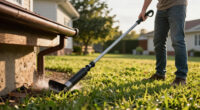
Cleaning a concrete driveway without a pressure washer is doable using household items like baking soda, vinegar, and a stiff brush. Regular maintenance, targeted treatments, and eco-friendly solutions keep it looking fresh without harsh equipment.
Ever looked out your window and felt a little embarrassed by the dull, stained concrete stretching before your house? You don’t need a pressure washer to bring back its brightness. With a few simple ingredients from your kitchen and some good old-fashioned scrubbing, you can make your driveway look fresh and inviting again.
This guide will show you how to clean your concrete driveway effectively, without fancy equipment or harsh chemicals. Whether it’s oil slicks, dirt buildup, or algae, you’ll learn practical tips to tackle stains and maintain your outdoor space with confidence.
Use household items like baking soda and vinegar for most stains; they’re effective and eco-friendly.
Regular sweeping and periodic deep cleaning prevent stains from becoming stubborn messes.
Targeted treatments for oil, mold, or mineral stains improve results without power washing.
Scrubbing with a stiff brush and patience can keep your driveway looking fresh for years.
Safety gear and proper rinsing are essential when working with chemical solutions.
What Makes Cleaning a Concrete Driveway Without a Pressure Washer Effective?
Cleaning a concrete driveway without a pressure washer works because you combine manual scrubbing with effective cleaning agents. Concrete is porous and absorbs stains, so a strong scrub and a good cleaner are your best tools. Think of it like scrubbing a stubborn pot — a little elbow grease and the right solution go a long way.
For example, a stiff-bristled brush combined with baking soda can lift dirt and mild stains. For tougher spots like oil or mold, targeted solutions like vinegar or bleach help dissolve the grime. The key is patience and consistency—regular cleaning prevents stains from settling in deeply.
Understanding why this approach works is important: manual scrubbing physically dislodges dirt and stains from the tiny pores in concrete, while natural cleaners chemically break down grime. This method not only saves you money but also reduces environmental impact and the risk of damaging your driveway with high-pressure equipment. However, it requires more time and effort, so weighing the tradeoff between convenience and thoroughness is essential. Regular maintenance can prevent stubborn stains, making routine cleaning more manageable and prolonging the lifespan of your driveway’s appearance.
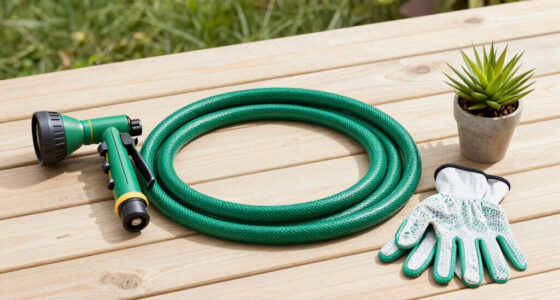
eco-friendly concrete driveway cleaner
As an affiliate, we earn on qualifying purchases.
As an affiliate, we earn on qualifying purchases.
Step-by-Step: How to Clean Your Driveway Without a Pressure Washer
- Remove loose debris. Sweep or blow away leaves, dirt, and loose gravel to get a clear surface.
- Apply your cleaning solution. For light dirt, mix warm water with dish soap. For stains, use baking soda or a vinegar solution.
- Scrub thoroughly. Use a stiff broom or scrub brush to work the cleaner into the surface. Focus on stained areas with a circular motion.
- Let it sit. Allow the solution to sit for 10-15 minutes to loosen grime.
- Rinse well. Use a garden hose with a spray nozzle or a bucket of clean water to wash away loosened dirt and residues.
Repeat if necessary for stubborn stains. For oil spills, absorb fresh oil with kitty litter or cornstarch before cleaning for best results.
Understanding why each step matters is crucial: removing debris prevents scratching the surface during cleaning, while allowing solutions to sit ensures they penetrate deeply enough to break down stubborn stains. Rinsing thoroughly removes loosened grime, preventing it from settling back into the pores. This process, while more manual than pressure washing, achieves a deep clean when executed properly, emphasizing patience and attention to detail.
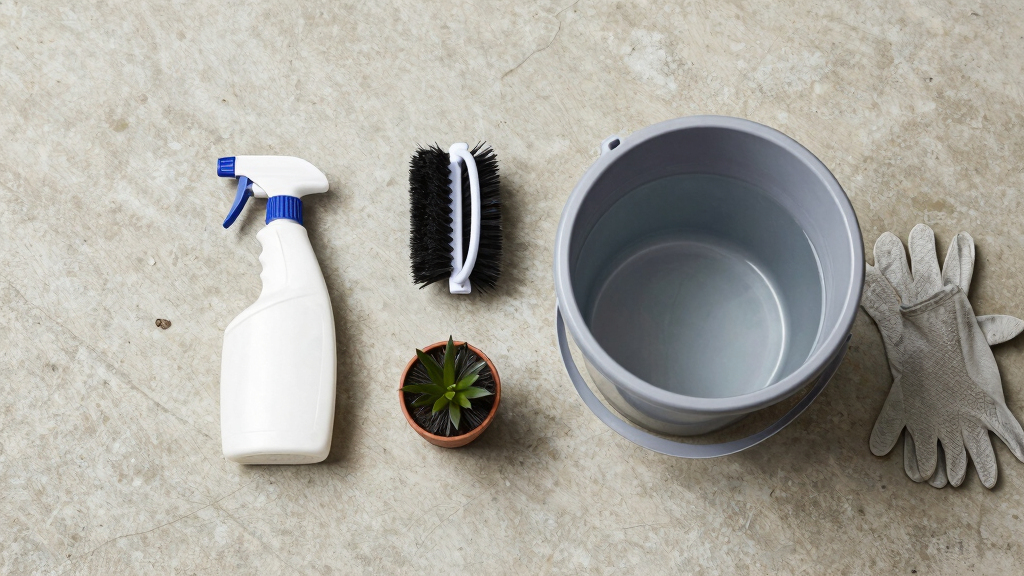
baking soda and vinegar cleaning kit
As an affiliate, we earn on qualifying purchases.
As an affiliate, we earn on qualifying purchases.
Best Natural Cleaners for Different Stains
| Stain Type | Recommended Natural Cleaner | Why It Works |
|---|---|---|
| General dirt and grime | Warm water + dish soap | Breaks down grease and dirt by emulsifying oils and loosening particles, making them easier to sweep away or rinse. |
| Oil stains | Baking soda + dish soap | Absorbs and lifts oil because baking soda is a mild abrasive and natural deodorizer, while dish soap emulsifies oil for easier removal. |
| Mineral deposits/mildew | Vinegar solution (1:1 with water) | Vinegar’s acetic acid dissolves mineral buildup and kills mold spores, preventing regrowth and restoring surface brightness. |
| Moss and algae | Bleach solution (1:3 ratio) | Bleach kills green growth effectively and brightens the surface, but should be used carefully to avoid damage to surrounding plants or discoloration. |
Each cleaner serves a specific purpose, and understanding why they work helps you tailor your cleaning approach. For example, vinegar’s acidity dissolves mineral deposits that are resistant to scrubbing, while baking soda’s abrasiveness helps lift surface grime. Using these natural options thoughtfully can optimize cleaning without the risks associated with harsh chemicals, and choosing the right cleaner for each stain ensures efficient, effective results that preserve the integrity of your driveway over time.
stiff bristle scrub brush for concrete
As an affiliate, we earn on qualifying purchases.
As an affiliate, we earn on qualifying purchases.
How Often Should You Do This? Keeping Your Driveway Clean Year-Round
Regular upkeep is your best defense against stubborn stains and moss buildup. A good rule of thumb: give your driveway a quick sweep once a month and deep clean every 6-12 months. This schedule prevents dirt and organic growth from penetrating the porous surface, which can lead to long-term damage and discoloration.
Understanding the implications of infrequent cleaning is important: neglecting routine maintenance allows dirt and biological growth to embed deeply, making stains harder to remove and increasing the risk of surface deterioration. For example, moss and algae can hold moisture against the concrete, accelerating erosion and creating a slippery hazard. By establishing a consistent cleaning routine, you reduce the need for intensive scrubbing later and extend the lifespan of your driveway, saving you money and effort over time.
As an affiliate, we earn on qualifying purchases.
What to Do When Stains Won’t Budge? Tackle Tough Spots Effectively
Some stains are stubborn, especially deep-set oil or mold. If regular scrubbing doesn’t work, try applying a stronger solution like a commercial degreaser or a bleach mixture (always rinse thoroughly afterward). These stronger treatments can penetrate deeper layers of grime that natural cleaners might not reach, but they also carry higher risks of damaging the surface or environment if used improperly.
For example, persistent oil stains may require multiple applications of baking soda and dish soap, combined with mechanical agitation or a commercial cleaner formulated for concrete. Patience is essential: sometimes, repeated treatments or alternative methods like poultices or enzyme-based cleaners yield better results. Recognizing when to escalate your approach prevents frustration and ensures thorough cleaning without resorting to pressure washing, which can be more aggressive and potentially damaging if not done correctly.
Safety First: Protect Yourself While Cleaning
Cleaning solutions, especially bleach or commercial cleaners, can irritate skin and eyes. Always wear gloves, goggles, and work in a well-ventilated area. Keep children and pets away from freshly cleaned surfaces until fully rinsed.
For example, when applying bleach, wear long sleeves and goggles and avoid inhaling fumes. Also, test small areas first to see how your concrete responds—some treatments may cause discoloration if not used carefully. Recognizing the potential hazards and taking proper precautions ensures your safety and prevents accidental damage to your property or health, especially when handling stronger chemicals.
Frequently Asked Questions
Can I clean my concrete driveway without any chemicals?
Absolutely. For light dirt, hot water and a stiff brush can do the trick. For most stains, natural solutions like baking soda and vinegar are effective without harsh chemicals.
What’s the best natural cleaner for oil stains?
Baking soda combined with dish soap or vinegar works well for light to moderate oil stains, absorbing and lifting the grime naturally.
How often should I clean my driveway?
Ideally once a year for general maintenance, and more often if you notice stains, moss, or mold. Regular cleaning prevents buildup and keeps it looking fresh.
Will scrubbing damage my concrete?
Using a stiff-bristled brush is safe for concrete, but avoid metal brushes or harsh abrasives that can scratch or damage the surface.
Are there eco-friendly options for stubborn stains?
Yes, vinegar, baking soda, and biodegradable commercial cleaners are all safe, effective, and gentle on the environment.
Conclusion
Cleaning your driveway without a pressure washer isn’t just possible — it’s straightforward and budget-friendly. With a few simple ingredients and some elbow grease, you can keep your concrete looking its best year-round.
Next time dirt or stains threaten to dull your curb appeal, remember: effective cleaning is about consistency, clever use of household staples, and a little patience. Your driveway will thank you with a bright, clean appearance that lasts.
Halloween Picks
halloween
As an affiliate, we earn on qualifying purchases.