
TL;DR
Vacuuming your mattress removes dust mites, dead skin, and allergens, which can cause allergies and reduce sleep quality. Regular vacuuming, combined with other maintenance, extends mattress life and improves indoor air quality.
Think your mattress is a clean, comfy oasis? Think again. Every night, your body sheds roughly 500 million skin cells. Over time, those tiny flakes, along with dust mites and pet dander, settle deep into your mattress fibers. It’s easy to forget that your sleeping surface is also a magnet for household dust and allergens.
Vacuuming might seem like a small step, but it packs a punch when it comes to improving sleep quality and reducing allergy symptoms. In this guide, I’ll show you exactly how to vacuum your mattress, what equipment works best, and why this simple habit can make a big difference in your health and sleep.
Vacuum your mattress every 1–3 months to reduce dust mites, dead skin, and allergens.
Use a vacuum with a HEPA filter and the right attachments—avoid beater bars on delicate surfaces.
Sprinkle baking soda for deodorizing, then vacuum thoroughly for fresh, clean bedding.
Vacuuming alone isn’t enough—combine with sheet washing, encasements, and airing out for best results.
Regular maintenance extends your mattress’s life and improves sleep quality by reducing allergy triggers.
How to Vacuum a Mattress (And Why You Should)
Your mattress looks clean. It isn’t. Every night your body sheds ~500 million skin cells — and dust mites, dander, and allergens settle deep into the fibers. A slow, methodical vacuum is the simplest deep-clean your sleep ever gets.
Why vacuuming is a game-changer for sleep & allergies
Vacuuming your mattress is like giving it a deep breath. It physically removes the microhabitats where mites, bacteria, and allergens thrive — protecting both your health and your investment.
Cuts dust mite populations
Mites feed on skin flakes, and their waste contains proteins that irritate airways — driving sneezing, congestion, itchy eyes, and eczema flare-ups.
Improves indoor air quality
A HEPA-filter vacuum traps fine particles instead of recirculating them — crucial for allergy and asthma sufferers.
Extends mattress life
Embedded debris grinds into fibers and foam, causing structural wear. Removing it delays replacement and saves money.
Reduces nighttime symptoms
Fewer allergy triggers means less congestion and easier breathing while you sleep — and better rest overall.
Disrupts microhabitats
Regular removal of debris makes your mattress less hospitable to mites and microbes, decreasing populations over time.
Removes odor & moisture
Sweat residue and household dust build up quietly. Vacuuming plus baking soda keeps the surface fresh and dry.
How often should you vacuum?
Match the cadence to your household. More frequent cleaning costs a little time — infrequent cleaning lets debris embed deeper and allergens multiply.
Vacuum your mattress like a pro
Straightforward, but doing it properly makes all the difference. Slow, overlapping passes — never rushed.
Strip & wash
Remove all bedding. Wash sheets in hot water at 130°F / 54°C+ to kill dust mites.
Vacuum the surface
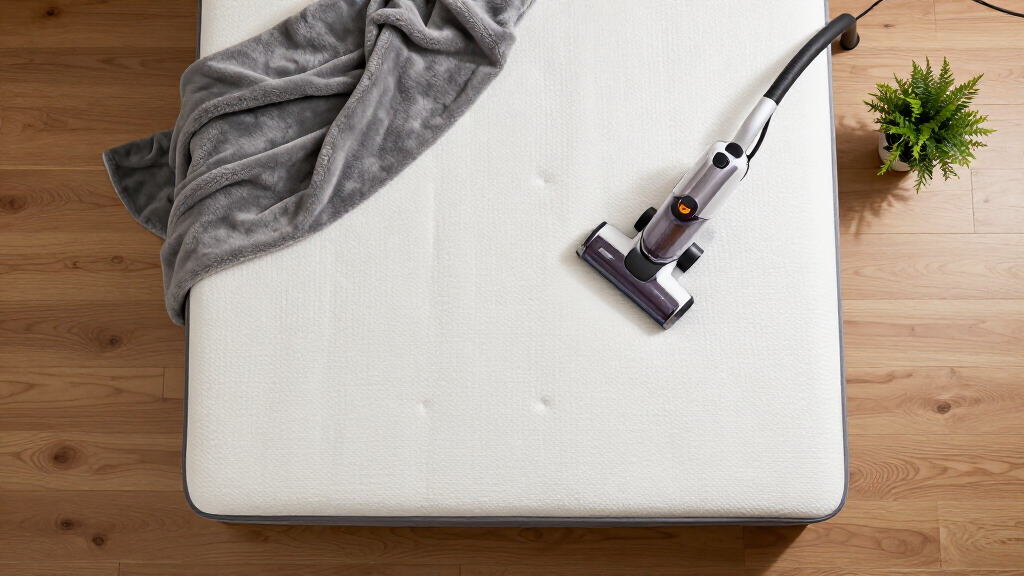
HEPA vacuum + upholstery tool. Start at one corner, slow overlapping passes across the whole top.
Detail the seams
Use the crevice tool along seams, piping, edges, and labels — that’s where debris hides.
Flip & repeat
Rotate or flip if double-sided. Vacuum the other side and the edges thoroughly.
Deodorize (optional)
Sprinkle baking soda, wait 30 minutes to absorb moisture and odors, then vacuum again.
Spot-treat stains
Mild detergent or enzyme cleaner for biological stains. Never soak the mattress.
Air it out
Sunlight or a well-ventilated room — UV and airflow reduce moisture and microbes.
Protect & remake
Finish with a clean allergen-proof encasement — your main preventive defense.
Choosing the right vacuum & attachments
Attachments matter more than raw suction. Balance effectiveness with the safety of delicate mattress fabrics.
| Tool | Best For | Allergen Control | Safe on Pillow-Tops | Verdict |
|---|---|---|---|---|
| HEPA vacuum + upholstery tool | Full-surface deep cleans | ✓ Excellent — traps fine allergens | ✓ Yes | Gold standard |
| Crevice tool | Seams, piping, edges, labels | ✓ Removes hidden buildup | ✓ Yes | Essential add-on |
| Handheld vacuum | Spot work, small spaces | ~ Decent if HEPA-equipped | ✓ Yes | Solid backup |
| Cordless stick + mini motor tool | Regular monthly maintenance | ✓ Good — now mainstream | ~ Check manufacturer | Modern pick |
| Beater bar / rotating brush | Carpets — not mattresses | ✗ Can dislodge fibers | ✗ No — risks damage | Avoid |
Can vacuuming kill dust mites?
The “MattressTok” trend made UV-C mattress vacuums viral. Here’s what the physics actually says.
Mechanical removal
Vacuuming physically removes mites, eggs, and waste from the surface. It doesn’t kill all mites instantly, but consistent cleaning disrupts their habitat and shrinks populations over time — delivering noticeable relief for allergy sufferers.
Quick passes don’t sterilize
UV-C needs several seconds to minutes of exposure to kill microbes. Fast sweeps mostly remove debris — the suction does the real work. Treat UV-C as a supplement, never a replacement for mechanical cleaning.
Vacuuming alone isn’t enough
Combine it with these habits for a comprehensive defense against allergens and microbes.
Why vacuuming your mattress is a game-changer for sleep and allergies
Vacuuming your mattress is like giving it a deep breath. It removes dust mites, dead skin cells, and pet dander, which are major triggers for allergies and asthma. Dust mites feed on skin flakes, and their waste contains proteins that irritate your respiratory system.
Understanding why this matters involves recognizing the health implications: accumulated debris provides a nourishing environment for dust mites and bacteria, which can exacerbate allergies and respiratory issues. When you regularly vacuum, you’re actively reducing these microhabitats, leading to fewer allergy symptoms and improved breathing during sleep.
Furthermore, the debris trapped in your mattress can degrade its materials over time, causing structural wear and reducing comfort. By removing this buildup, vacuuming helps preserve your mattress’s integrity, delaying the need for replacement and saving money in the long run. Think of it as a preventive measure for both your health and your investment in sleep quality.
HEPA filter vacuum cleaner for mattress
As an affiliate, we earn on qualifying purchases.
As an affiliate, we earn on qualifying purchases.
How often should you vacuum your mattress? The simple schedule
Vacuum your mattress every 1 to 3 months if you want to keep dust mites and allergens at bay. If you suffer from allergies, own pets, or eat in bed, aim for once a month. For most households, twice a year during seasonal changes works well.
Implementing this schedule helps maintain a cleaner sleep environment. Regular vacuuming prevents the accumulation of debris that can become a breeding ground for allergens, microbes, and pests. The tradeoff is that more frequent vacuuming requires a bit more time, but it significantly reduces health risks associated with allergens and microbial growth. Conversely, infrequent cleaning allows debris to embed deeper into your mattress, making it harder to remove and increasing the risk of allergy flare-ups and microbial proliferation. Therefore, balancing routine with your specific needs ensures optimal hygiene without unnecessary effort.
Here’s a quick guide:
- Every 1 month: Allergy sufferers, pet owners, those with asthma
- Every 3 months: General maintenance for healthy sleep
- Twice a year: During mattress rotation or flipping
Remember, vacuuming is part of a broader routine that includes washing sheets in hot water and using allergen-proof encasements, which together create a comprehensive defense against allergens and microbes.
As an affiliate, we earn on qualifying purchases.
The step-by-step way to vacuum your mattress like a pro
Vacuuming your mattress is straightforward, but doing it properly makes all the difference. Here’s a step-by-step process:
- Strip all bedding and wash sheets in hot water (130°F/54°C or higher) to kill dust mites.
- Use a vacuum with a HEPA filter and an upholstery attachment. If you don’t have one, a handheld vacuum works too.
- Start at one corner and vacuum in slow, overlapping passes. Use the crevice tool along seams, piping, and labels where debris hides.
- Flip or rotate your mattress if possible. Vacuum the other side and edges thoroughly.
- Optional: sprinkle baking soda over the surface, let sit for 30 minutes to absorb moisture and odors, then vacuum again.
- Spot-treat stains with a mild detergent or enzyme cleaner—avoid soaking the mattress.
- Let the mattress air out in sunlight or a well-ventilated space, helping to reduce moisture and microbes.
- Finish by putting on a clean, allergen-proof mattress protector.
Vacuum slowly and methodically—think of it as giving your mattress a gentle, thorough clean. This careful approach ensures you remove as much debris as possible, which directly impacts your sleep quality and allergy relief. Rushing through the process might leave behind hidden allergens or microbes, undermining your efforts.
baking soda for mattress deodorizing
As an affiliate, we earn on qualifying purchases.
As an affiliate, we earn on qualifying purchases.
Choosing the right vacuum and attachments for your mattress
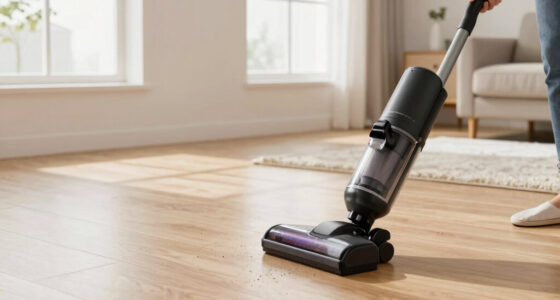
Not all vacuums are created equal for mattress cleaning. The key is a HEPA-filter vacuum with the right attachments. HEPA filters trap tiny allergens, preventing recirculation into your air, which is crucial for allergy sufferers or those with respiratory issues.
Look for:
- Upholstery attachment: For surface cleaning without damaging delicate fabrics. Using the correct attachment ensures you don’t accidentally damage the fabric or dislodge fibers, which can create new debris or reduce comfort.
- Crevice tool: To reach seams, piping, and edges where dust hides. Properly cleaning these areas prevents buildup that can harbor mites and bacteria, extending the life of your mattress.
- Handheld vacuum: Portable, easy to maneuver, and effective for detailed work. A handheld allows targeted cleaning of difficult spots, ensuring no area is overlooked, which is vital for comprehensive hygiene.
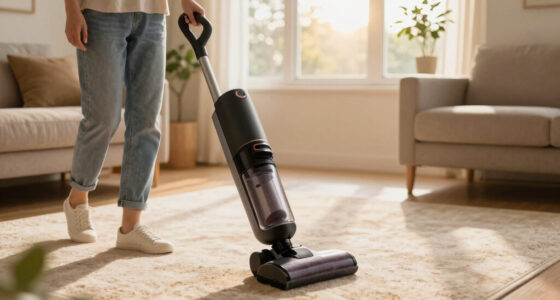
Some modern cordless stick vacuums now come with mini motorized tools, making mattress cleaning easier. Avoid vacuums with beater bars or rotating brushes unless the manufacturer approves—they can damage pillow-top mattresses or delicate fabrics, leading to costly repairs or reduced lifespan. Choosing the right equipment is about balancing effectiveness with the safety and integrity of your mattress material.
mattress encasements for dust mites
As an affiliate, we earn on qualifying purchases.
As an affiliate, we earn on qualifying purchases.
Can vacuuming kill dust mites? The truth about allergens
Vacuuming physically removes dust mites, their eggs, and waste from the surface. While it doesn’t kill all mites instantly, regular vacuuming significantly reduces their numbers over time. This reduction is crucial because dust mites thrive in warm, humid environments, and their proliferation can exacerbate allergy and asthma symptoms. Consistent cleaning disrupts their habitat, making it less hospitable and decreasing their overall population, which can lead to noticeable relief for allergy sufferers.
UV-C vacuum cleaners have gained popularity, claiming to kill bacteria and mites with ultraviolet light. However, experts warn that UV-C needs prolonged exposure—several seconds to minutes—to be effective. Quick passes only help remove debris but do not sterilize or kill most microbes or mites. The tradeoff is that UV-C can be a supplementary tool when combined with traditional vacuuming, but shouldn’t replace mechanical removal methods.
So, while vacuuming helps reduce allergen load, it’s best combined with washing sheets and using allergen-proof covers for comprehensive relief. The key is understanding that vacuuming is a component of a broader allergy management strategy, not a standalone cure.
Should you use baking soda before vacuuming? Yes, but with a plan
Baking soda is a natural deodorizer that absorbs odors and moisture. Sprinkling it on your mattress before vacuuming helps freshen it up and reduces musty smells. The absorption process is enhanced when baking soda sits on the surface for at least 30 minutes, or longer if possible, allowing it to draw out odors, moisture, and some microbial particles.
Vacuum thoroughly afterward to remove the baking soda along with accumulated debris. This step ensures that odors are neutralized and your mattress feels fresher. It’s important to note that baking soda doesn’t kill dust mites or bacteria; its primary function is deodorization and moisture absorption. Using it regularly can help maintain a clean smell, especially after activities that introduce strong odors or humidity.
For example, after a night of spicy takeout, or if your mattress feels damp from humidity, a baking soda treatment can significantly improve freshness. Just remember, it’s a supplementary step—combine it with regular vacuuming and other hygiene practices for best results.
Vacuuming vs. steam cleaning: Which is better for your mattress?
Vacuuming and steaming serve different purposes. Vacuuming physically removes dust, skin flakes, and some mites, providing a quick, safe, and effective routine maintenance. Steam cleaning uses hot vapor to kill bacteria and mites, but the high temperature also introduces moisture, which can be problematic if the mattress isn’t dried thoroughly afterward, potentially leading to mold growth and microbial proliferation. The tradeoff is that steam cleaning can reach deep into fibers, killing microbes that vacuuming might miss, but it requires careful drying and is more labor-intensive.
According to an anonymous researcher, vacuuming is safer and more practical for regular maintenance, especially considering the risks of trapped moisture. Steam cleaning can be incorporated as an occasional deep-clean method, particularly if your mattress is heavily soiled or has microbial concerns, but only if you ensure complete drying afterward. The tradeoff involves balancing convenience, safety, and effectiveness—vacuuming offers a low-risk, consistent approach, while steam cleaning provides a deeper clean but with added drying considerations.
For most homeowners, sticking to regular vacuuming, washing sheets, and using encasements offers a safe, effective routine. Steam cleaning can be reserved for periodic deep cleaning, especially when combined with thorough drying and airing out.
How to keep your mattress fresh between vacuuming sessions
Besides vacuuming, you can keep your mattress fresh and allergen-free with a few simple habits:
- Use a mattress protector that’s allergen-proof. It acts like a barrier against dust mites and skin flakes, preventing debris from penetrating the mattress surface and making cleaning easier.
- Wash sheets weekly in hot water to kill dust mites and remove skin cells, which are primary food sources for mites. Consistent laundering reduces the microbial load and allergen presence.
- Rotate or flip your mattress every 3–6 months to prevent uneven wear and buildup in specific areas, which can harbor more debris and microbes.
- Let your mattress air out in sunlight as often as possible; UV rays help kill microbes and reduce moisture, creating a less hospitable environment for allergens and bacteria.
- Keep pets out of the bedroom or off the bed to cut down on dander and fur, which can significantly contribute to allergen levels.
All these steps, combined with regular vacuuming, create a healthier sleep environment by reducing microbial and allergen buildup and prolonging the life of your mattress.
Frequently Asked Questions
How often should I vacuum my mattress?
Most experts recommend every 1 to 3 months. If you have allergies, pets, or eat in bed, aim for once a month for best results.Does vacuuming really help with dust mites and allergens?
Yes. Vacuuming removes dust mites, their eggs, and waste from the surface. While it doesn’t kill all mites, regular cleaning significantly reduces their numbers and allergen levels.Can I vacuum a memory foam or pillow-top mattress without damaging it?
Absolutely. Use a vacuum with a soft upholstery attachment and avoid beater bars or aggressive brushes. Gentle, slow passes prevent damage while removing debris.What attachment should I use for vacuuming my mattress?
Use a combination of a brush or upholstery attachment for the surface and a crevice tool for seams, piping, and edges. A handheld vacuum also works well for detailed cleaning.Is vacuuming enough to get rid of dust mites and bed bugs?
Vacuuming helps reduce dust mites and debris but isn’t a bed bug treatment. For bed bugs, professional extermination and encasements are necessary. Vacuuming is part of good allergy hygiene, not pest control.Conclusion
Vacuuming your mattress is a simple, effective way to breathe new life into your sleep space. It’s like giving your mattress a health check, removing the invisible debris that can cause allergies and discomfort.
Make it a routine—your body and your sleep will thank you. Imagine slipping into a bed that’s not just soft but also a clean, allergen-free sanctuary. That’s a nightly reward worth the few minutes of effort.