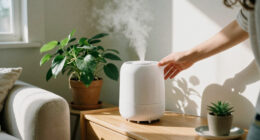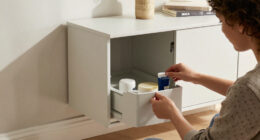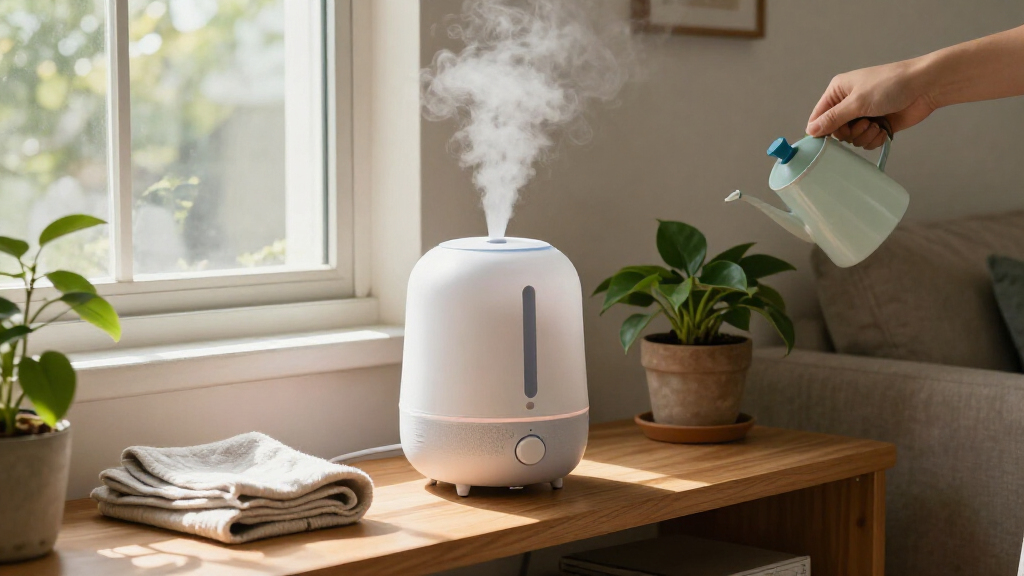
Use this guide to set up an ultrasonic humidifier, choose a safe location, adjust its output, and establish a cleaning routine. It is for first-time users and anyone who wants to reduce mineral dust, leaks, or poor mist output. Setup takes about 20–30 minutes; routine cleaning takes 10–15 minutes, depending on the model.

Get cleaning gear delivered free with Prime
- Fast, free delivery on millions of items
- Prime Video, Amazon Music and more included
- Member-only deals all year

Lacidoll 8L Large Humidifier for Bedroom Large Room Home 800 sq ft, Black
- ✔ Capacity: 2.1 gallons (about 8 liters)
- ✔ Stated coverage: 500–800 sq ft
- ✔ Mist output: 300 mL/hour

DREO 3L Humidifiers for Bedroom, 30H Runtime, 26 dB Quiet, New Edition
- ✔ Capacity: 3 liters
- ✔ Stated coverage: Up to 300 sq ft
- ✔ Mist output: 250 mL/hour

Levoit Top Fill Humidifiers for Bedroom, 2.5L Tank for Large Room, 25dB
- ✔ Capacity: 2.5 liters
- ✔ Stated coverage: 219 sq ft
- ✔ Runtime: Up to 25 hours on low
Difficulty: Beginner | Time: 20–30 minutes for setup; 10–15 minutes for routine cleaning
What You’ll Need
Tools & Materials:
- Ultrasonic humidifier with its user manual
- Clean water, preferably distilled or demineralized if the manual permits it
- Clean, dry cloth
- White vinegar or another cleaner named in the manual
- Clean measuring cup or jug, if needed to fill the reservoir
Knowledge:
- Basic ability to follow appliance instructions and handle water near an electrical device
Check the manual for approved water, cleaning products, water-level limits, and parts that can be removed. Some models include a humidity sensor or filter; their care requirements vary. Do not use essential oils unless the manufacturer provides a separate, designated compartment for them.
Lacidoll 8L Large Humidifier for Bedroom Large Room Home 800 sq ft, Black
When a smaller bedroom humidifier would need constant refilling, the Lacidoll’s 8-liter tank is the most substantial option in this lineup. It is rated for 300 mL per hour of mist output and claims coverage of 500–800 square feet, well beyond the Levoit’s stated 219 square feet and the DREO’s 300. That makes it the strongest match for a larger open room, though those coverage figures are manufacturer claims rather than a guarantee for every layout.Its most useful distinction is automatic humidity control: set a target from 45% to 95%, and the sensor adjusts operation. The Levoit uses a manual knob and has no built-in humidistat, while DREO also offers humidity control but pairs it with a much smaller tank. The Lacidoll also includes a remote, timer, three mist settings, and a sleep mode that dims the panel. Its 35 dB stated noise level is higher than the other two models’ listed sleep or operating figures, so light sleepers may prefer the quieter Levoit or DREO.There is a runtime caveat: the product description claims up to 48 hours, while the specification listing says 24 hours. We would treat refill intervals as dependent on output setting and use rather than assume the longer figure. Its tall 27-inch body also needs more vertical clearance than the compact Levoit and DREO. Choose it when capacity and sensor-based control matter most; skip it if a compact bedside footprint or the quietest stated operation is the priority.
Pros:
- 8-liter tank reduces the need for frequent refills.
- Adjustable humidity target with sensor-based automatic operation.
- Remote, timer, three mist speeds, and dimmable sleep mode.
- Detachable tank opens fully for cleaning, with no filter replacement required.
Cons:
- The listed noise level of 35 dB is higher than the Levoit and DREO figures.
- Runtime claims conflict: up to 48 hours in the description versus 24 hours in specifications.
- At 27 inches tall, it needs a deliberate placement spot.
Best for: People humidifying a large room who want a large tank, adjustable humidity targets, and remote operation.
Not ideal for: Light sleepers seeking the lowest stated noise level, or buyers who need a compact unit and a clearly consistent runtime specification.
Bottom line: We rank the Lacidoll first for large rooms because its capacity and humidity control offer the broadest coverage and most hands-off operation in this group.
“We rank the Lacidoll first for large rooms because its capacity and humidity control offer the broadest coverage and most hands-off operation in this group.”
DREO 3L Humidifiers for Bedroom, 30H Runtime, 26 dB Quiet, New Edition
The DREO fills the gap between the Levoit’s simple, smaller-room setup and the Lacidoll’s much larger tank. Its 3-liter capacity and stated coverage up to 300 square feet make it a more capable fit for a medium bedroom or office than the Levoit, while its footprint stays far shorter than the Lacidoll’s 27-inch tower.What makes it more than a capacity upgrade is its humidistat and adjustable humidity control. The Levoit asks us to set mist output by hand, so room humidity can change without the unit responding automatically. DREO offers that feedback-based control, plus a timer, adjustable ambient light, and an aroma tray. Its stated 26 dB sleep-mode noise is close to the Levoit’s 25–28 dB range, giving it a bedroom-friendly profile without the Lacidoll’s higher stated noise figure.The tradeoff is that DREO’s 3-liter tank cannot match the Lacidoll’s 8 liters for refill intervals, especially if the humidifier runs at higher output. Its product description claims up to 30 hours in sleep mode, not a general runtime at every setting. The listing names a demineralization cartridge, so buyers should check what maintenance or replacement it entails; the Lacidoll is described as filter-free. Pick DREO when automatic control and moderate room coverage matter more than maximum capacity or the Levoit’s especially uncomplicated cleaning design.
Pros:
- Humidistat and adjustable humidity control help automate operation.
- 3-liter tank and up to 300-square-foot stated coverage suit medium rooms.
- 26 dB stated noise in sleep mode, with lighting that can be turned off.
- Top-fill design, timer, and aroma pad tray.
Cons:
- Smaller tank than the Lacidoll means more frequent refills in extended use.
- The up-to-30-hour claim applies to sleep mode; runtime at other settings is not specified.
- A demineralization cartridge is listed, so buyers should account for that component.
Best for: People who want a humidistat and bedroom-friendly operation for a medium-sized room without a large tower-style unit.
Not ideal for: Buyers prioritizing the largest reservoir, the broadest stated coverage, or a clearly filter-free design.
Bottom line: We rank DREO second as the most balanced pick for buyers who want automatic humidity control and meaningful coverage in a moderate-sized unit.
“We rank DREO second as the most balanced pick for buyers who want automatic humidity control and meaningful coverage in a moderate-sized unit.”
Levoit Top Fill Humidifiers for Bedroom, 2.5L Tank for Large Room, 25dB
The Levoit is the most focused bedroom option here: quiet operation, no display lights, and straightforward manual controls are its appeal. The 2.5-liter tank is rated for up to 25 hours on low, and the stated coverage is 219 square feet. That is less reach than the DREO’s 300 square feet and far below the Lacidoll’s claimed large-room coverage, but it fits the needs of a smaller bedroom, nursery, or office better than a feature-heavy tower.Its strongest practical advantage is maintenance. The top-fill opening and simple base are designed to make filling and cleaning less awkward than lifting and turning a tank. A single knob adjusts mist, and the 360-degree nozzle directs it where needed. By comparison, DREO adds a humidistat and timer, while Lacidoll adds remote operation and a much larger reservoir. Levoit keeps those choices out of the way, but that simplicity means there is no automatic humidity target: we have to judge the room and adjust the dial ourselves.The unit’s 25–28 dB stated noise range and dark sleep setup make it the most sleep-focused choice by specification, though DREO’s 26 dB sleep-mode claim is similar. Levoit’s tank also holds less than DREO’s, so the 25-hour maximum applies only to low output. The manufacturer recommends purified or distilled water to reduce white dust, and its included filter cotton may need replacement depending on water hardness. Choose this model for simple, easy-to-clean bedroom humidification; look to DREO for automatic control or Lacidoll for larger spaces and fewer refills.
Pros:
- Top-fill design and wide opening make filling and cleaning more accessible.
- 25–28 dB stated operating noise and no display lights suit nighttime use.
- 360-degree nozzle and simple knob provide direct mist adjustment.
- Auto shut-off when the tank is empty or removed.
Cons:
- No humidistat or automatic humidity mode.
- 219-square-foot stated coverage is the lowest of the three.
- Filter cotton may need periodic replacement, and distilled or purified water is recommended to reduce white dust.
Best for: Light sleepers and households wanting a compact, manually controlled humidifier for a bedroom, nursery, or office up to the stated coverage.
Not ideal for: Buyers who need a built-in humidistat, app-like or remote controls, or broad coverage for an open-plan room.
Bottom line: We place the Levoit third overall, but it is our bedroom-focused pick for buyers who value quiet, uncomplicated use and accessible cleaning over automation or room coverage.
“We place the Levoit third overall, but it is our bedroom-focused pick for buyers who value quiet, uncomplicated use and accessible cleaning over automation or room coverage.”
As an Amazon Associate we earn from qualifying purchases.
Before You Start
Unplug the humidifier before filling, emptying, or cleaning it. Keep the base, cord, and plug dry; water belongs only in the reservoir or other area identified in the manual. Place the unit on a stable, water-resistant surface where mist cannot reach walls, curtains, electronics, bedding, or wood furniture. Do not put it on the floor, near a heat source, or where someone could trip over its cord.
Use a hygrometer if you have one, and follow the device manual or health guidance for a suitable room humidity. Excess moisture can encourage mold and condensation. If windows or nearby surfaces become damp, reduce the output or switch the unit off and ventilate the room.
Step-by-Step Instructions
Step 1: Choose a suitable location
Set the unplugged humidifier on a level, water-resistant surface with open space around its air intake and mist outlet. Keep it away from walls, furniture, bedding, electronics, vents, and direct sunlight. Route the cord so it stays dry and does not create a tripping hazard.
Tip: A tray can catch minor drips, but it does not replace a stable surface or protect the electrical base from spills.
Check: The unit sits flat, its outlet points into open space, and mist will not settle directly on nearby objects.
Step 2: Inspect and prepare the unit
Read the setup and cleaning sections of the manual. Remove packaging, check that the tank, cap, and base are intact, and confirm that any parts meant to be installed are seated correctly. Keep filters and cartridges in place if the model requires them.
Tip: Do not run a unit with a cracked tank, damaged cord, or loose electrical part. Contact the maker or retailer about a damaged appliance.
Check: All required parts are installed, the tank and cap are undamaged, and you know which areas may be filled or cleaned.
Step 3: Fill the reservoir
Unplug the unit if it is connected to power. Remove the reservoir as directed, take off its cap, and fill it with the water type recommended in the manual. Stay below the marked maximum fill line. Close the cap firmly, wipe away exterior drips, and return the tank to the base in the correct orientation.
Tip: Distilled or demineralized water often reduces the white mineral dust associated with ultrasonic humidifiers. Use it only if the manual permits it. Do not add fragrance, medication, or cleaning solution to the water unless the manufacturer explicitly directs you to do so.
Check: The reservoir is within its fill limit, the cap is secure, and the outside and electrical base are dry.
Step 4: Start the humidifier
Place the filled unit on its chosen surface, plug it into a dry outlet, and switch it on. Select a low or moderate mist setting first. Point the outlet so mist moves into the room without striking a nearby surface or blowing directly toward a person.
Tip: A visible mist plume may be hard to see in some light or humidity conditions. Check for normal operation without touching the water or mist outlet.
Check: The unit powers on without unusual noise, leakage, or warning lights, and its controls respond as described in the manual.
Step 5: Set and monitor room humidity
Use the built-in humidistat or a separate hygrometer to check room humidity, then adjust the output to the manual’s recommended range. Check the room periodically, especially during the first day of use. Lower the setting or turn the unit off if condensation appears on windows, walls, or nearby objects.
Tip: A humidifier adds moisture to the room air; it does not treat the cause of dry air or replace medical care for breathing symptoms.
Check: The room reaches the target you selected without damp surfaces, persistent condensation, or water collecting around the appliance.
Step 6: Empty and refresh standing water
Turn the humidifier off and unplug it before handling the tank. Follow the manual to remove the reservoir, pour out water left from the previous use, and refill with fresh water before running it again. Wipe up splashes promptly and dry the exterior.
Tip: Do not let old water sit for long periods. Standing water can support microbial growth, and a rinse alone does not replace the manufacturer’s cleaning routine.
Check: The tank contains fresh water, the unit is reassembled correctly, and the surrounding surface is dry.
Step 7: Clean the humidifier on schedule
Unplug the appliance and empty the tank. Clean the reservoir and removable parts at the frequency and with the products named in the manual. If the manual allows vinegar for mineral scale, apply it only to the specified parts and for the specified time. Rinse those parts thoroughly, wipe them with a clean cloth, and let them dry before reassembly.
Tip: Never immerse the electrical base or spray liquid into vents. Do not mix vinegar with bleach or other cleaners. Replace filters or cartridges on the schedule specified by the manufacturer.
Check: The tank and approved parts are free of visible residue, no cleaning smell remains after rinsing, and all parts are dry before the unit is plugged in.
Step 8: Store the unit when not in use
Switch off and unplug the humidifier, empty all water, and clean and dry it as directed. Store the tank and base in a dry place, with parts assembled or separated as the manual recommends. Before using it again, inspect for damage and follow the setup directions.
Tip: Storing a damp, closed tank can leave odors or residue that require extra cleaning before the next use.
Check: The unit is empty, dry, clean, and protected from dust and moisture in storage.
Common Mistakes to Avoid
- Filling past the maximum line or leaving water on the base. — Use the marked fill limit, close the cap securely, wipe the tank dry, and keep the electrical base out of contact with water.
- Using hard tap water and then finding white dust on nearby surfaces. — Use distilled or demineralized water if the manual allows it, and clean mineral deposits as directed.
- Pointing the mist at walls, furniture, or electronics. — Aim the outlet into open space and move the humidifier if nearby surfaces become damp.
- Adding oils or cleaning products directly to the tank. — Use only water in the reservoir unless the manual specifically approves an additive; use a separate oil tray only if the model includes one.
Troubleshooting
Problem: The humidifier powers on but produces little or no mist.
Solution: Switch it off and unplug it. Check the water level, tank placement, and any required filter or cartridge. Clean mineral buildup from approved parts using the manual’s method, then refill and restart.
Problem: White dust appears on furniture or nearby surfaces.
Solution: Switch to distilled or demineralized water if permitted, move the appliance away from the affected surfaces, and wipe away residue. Clean the unit as directed before continued use.
Problem: Water leaks from the tank or collects around the unit.
Solution: Unplug the humidifier and dry the area. Check that the cap and tank are seated correctly and that the tank is not overfilled or cracked. Do not use a damaged tank; contact the manufacturer for a replacement.
Problem: A musty smell develops or residue returns quickly.
Solution: Stop using the unit, unplug it, and empty the water. Clean and dry the tank and approved parts following the manual. Replace a filter or cartridge if due, and use fresh water each time you refill.
What Success Looks Like
The humidifier runs on a stable, dry surface, adds moisture without leaks or damp nearby objects, and holds the room near the selected humidity target. Its reservoir contains fresh water, and the tank and approved parts are cleaned and dried on the schedule in the manual. No persistent mineral dust, stale odor, or visible residue remains.
Next Steps
Check the water level and room humidity during use, empty and refresh the reservoir between sessions, and clean the unit at the manufacturer’s stated interval. Record filter or cartridge replacement dates if your model uses them. If a damaged cord, persistent leak, burning smell, or electrical fault appears, unplug the appliance and contact the manufacturer or a qualified repair service.
Frequently Asked Questions
Can I use tap water in an ultrasonic humidifier?
Check the manual. Tap water is allowed by some models, but its minerals can leave white dust and scale. Distilled or demineralized water can reduce those deposits when the manufacturer permits it.
How often should I clean an ultrasonic humidifier?
Follow the cleaning schedule in the manual, since frequency varies by model and use. Empty and refresh the water between sessions, and clean sooner if you notice odor, visible film, or mineral buildup.
Can I put essential oils in the water tank?
Do not put oils in the reservoir unless the manual explicitly approves them. Oils can damage some materials or interfere with operation. Use a separate aroma compartment only if the appliance has one and its instructions permit the oil.
Where should I place the humidifier?
Use a level, water-resistant surface with clear space around the outlet. Keep mist away from walls, furniture, electronics, bedding, and places where condensation could collect.
What should I do if condensation appears?
Lower the mist output or switch the unit off, then ventilate the room and dry wet surfaces. Check humidity with a hygrometer if available, and resume at a lower setting only when the room is no longer damp.