
TL;DR

Get cleaning gear delivered free — and shop member deals
- Fast, free delivery on millions of items
- Access to Prime Big Deal Days deals on October 6–7
- Prime Video, Amazon Music and more included
You can replace paper towels with reusable cloths, microfiber, or bamboo options that are eco-friendly, cost-effective, and hygienic. Proper maintenance and a gradual switch make the process smooth and sustainable.
Imagine wiping up a spill and feeling that satisfying texture of a soft cloth instead of crumpled paper. No more running out of rolls or tossing endless waste into landfills. Replacing paper towels doesn’t need to be complicated — in fact, it can be a straightforward shift that makes your home more eco-friendly and your wallet happier.
This guide walks you through practical, no-fuss ways to ditch paper towels altogether, highlighting the best reusable options, how to keep them hygienic, and simple habits that make the switch stick. Let’s make cleaning greener, easier, and smarter — one cloth at a time.
Replacing paper towels with reusable cloths, microfiber, or bamboo is eco-friendly and cost-effective.
Proper washing at high temperatures and sun-drying keep reusable cloths hygienic and safe.
Start small: keep a few cloths handy, and gradually replace paper towels in your routine.
Choosing the right material depends on your needs — microfiber for speed, bamboo for sustainability.
A simple laundry routine every 2-3 days makes reusables hassle-free and practical.
Why Ditch Paper Towels? The Clear Benefits You’ll Love
Switching away from paper towels isn’t just about saving trees — it’s about saving space, money, and reducing waste. On average, a household uses 1-2 rolls of paper towels weekly, which can add up to hundreds of rolls a year. Reusable options can cut that waste by up to 80%.
Plus, many eco-friendly cloths trap dirt and moisture better than paper, making cleaning faster and more effective. They also cut down on clutter — no more stashes of rolls under the sink or in the pantry. Imagine the satisfaction of reducing your household waste while saving money — it’s a win-win.
Beyond the environmental benefits, choosing reusable cloths can lead to a more mindful cleaning routine. When you handle your own cloths, you become more aware of what you’re cleaning and how to do it efficiently, which can improve overall hygiene and reduce the need for harsh chemicals. The tradeoff is that reusable cloths require a bit of effort in maintenance, but with a proper routine, this becomes a negligible part of your day. The long-term savings and environmental impact far outweigh the initial adjustment.
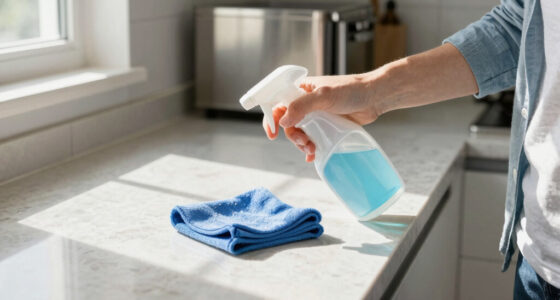
reusable microfiber cleaning cloths
As an affiliate, we earn on qualifying purchases.
As an affiliate, we earn on qualifying purchases.
The Best Reusable Alternatives for Every Household Task
There’s no one-size-fits-all here. The right choice depends on your needs, habits, and what feels easiest to incorporate into daily routines. Here are some top contenders:
- Microfiber Cloths: Super absorbent, quick-drying, and effective for cleaning kitchen counters, bathroom surfaces, and even glass. Their fine fibers trap dirt and bacteria, making them ideal for both quick cleans and more thorough disinfecting. However, microfiber is synthetic, so it’s less biodegradable, which is a consideration if environmental impact is a priority. The tradeoff is convenience and performance.
- Cotton or Hemp Rags: Durable and versatile, perfect for wiping spills, drying dishes, or dusting furniture. Cotton and hemp are natural fibers, biodegradable, and generally easier to wash and dry. The tradeoff is that they may require more frequent washing if heavily soiled and may not dry as quickly as microfiber. Their durability means they can last for years if cared for properly, making them a sustainable choice in the long run.
- Bamboo Towels: Eco-friendly, soft, and naturally antibacterial, great for kitchen tasks and quick cleanups. Bamboo grows rapidly with minimal resources, making it a highly renewable resource. These towels are gentle on the skin and have natural antimicrobial properties, reducing the need for chemical disinfectants. The tradeoff is that they may be less absorbent than microfiber and need gentle washing to preserve their longevity.
- Silicone Cloths: Flexible, stain-resistant, and easy to sanitize—ideal for heavy-duty cleaning. Silicone’s non-porous surface makes it resistant to bacteria buildup, and it can be boiled or sanitized in the dishwasher. However, silicone cloths may not be as absorbent as fabric options and can feel different to use. They excel in situations where sanitation and durability are priorities over absorbency.
Understanding these tradeoffs helps you select the best tools for your specific cleaning needs, ensuring that your switch is both practical and aligned with your environmental values. The right choice can make a significant difference in the convenience and sustainability of your cleaning routine.
As an affiliate, we earn on qualifying purchases.
Defining Your Cleaning Needs and Setting Goals
Before choosing your reusable cleaning tools, it’s helpful to assess your typical cleaning routines and identify what tasks most often require paper towels. Do you primarily need them for quick spills, drying dishes, or wiping down surfaces? Setting clear goals, such as reducing waste by a certain percentage or saving a specific amount of money, can guide your selection process. This initial step ensures you choose options that fit seamlessly into your lifestyle, making the transition smoother and more sustainable.
As an affiliate, we earn on qualifying purchases.
Implementing the Transition Gradually
Once you’ve identified your needs, start by gradually replacing your paper towels. Keep a small stash of reusable cloths in accessible places—such as the kitchen and bathroom—and use them for daily tasks. Replace a few rolls at first, and as you become comfortable, phase out the paper towels entirely. This gradual approach helps prevent overwhelm and allows you to adapt your routines without feeling burdened, ensuring a successful long-term switch.
As an affiliate, we earn on qualifying purchases.
Maintaining Hygiene and Extending the Lifespan of Reusables
Proper maintenance is key to making reusable cloths a hygienic and practical alternative. Wash your cloths regularly, ideally every 2-3 days, at high temperatures (140°F/60°C) with disinfectants or bleach when necessary. Sun-drying can also help eliminate bacteria and freshen your cloths naturally. Store used cloths in a designated laundry bin to prevent cross-contamination and keep your cleaning routine efficient. With consistent care, your cloths will last longer, perform better, and stay hygienic, making your eco-friendly switch sustainable in the long run.
Frequently Asked Questions
Are reusable towels as hygienic as paper towels?
Yes, when washed properly at high temperatures, reusable cloths can be just as hygienic as disposable paper towels. Regular laundering kills bacteria and keeps your cloths fresh. The key is consistent maintenance — neglecting this can lead to bacteria buildup, which defeats the purpose of reusables. Proper washing routines, including hot water and disinfectants when needed, help ensure safety and hygiene.
What materials should I choose for reusable towels?
Microfiber, cotton, hemp, and bamboo are popular choices. Microfiber is great for quick cleaning and moisture, while bamboo and hemp are eco-friendly and biodegradable. The selection depends on your priorities: speed and convenience or sustainability and natural fibers. Combining different materials can also be effective, such as microfiber for fast drying and bamboo for eco-conscious cleaning.
How often should I wash my reusable cloths?
Wash them every 2-3 days if used daily, at high temperatures (140°F/60°C) with disinfectant or bleach to keep them hygienic and bacteria-free. Regular washing prevents odor buildup and reduces the risk of cross-contamination. Adjust frequency based on usage and specific cleaning needs, but consistency is key to maintaining hygiene and extending the lifespan of your cloths.
Can I use reusable cloths for all cleaning tasks?
For most daily cleaning and drying, yes. However, for sterilization or very high heat tasks, check manufacturer recommendations to ensure safety and durability. For example, cloths used in food preparation areas should be thoroughly sanitized, and some materials may degrade with repeated boiling or high-temperature washing. Tailoring your choice of cloths to specific tasks ensures both safety and longevity.
How do I avoid the hassle of laundry with reusables?
Set up a dedicated laundry bin nearby and establish a routine—washing every 2-3 days makes it quick and easy, turning laundry into a seamless part of your cleaning habit. Pre-sorting your cloths by color or type can streamline the process further. Once a routine is established, the extra effort becomes minimal, and the benefits of sustainable cleaning far outweigh the inconvenience.
Conclusion
Making the switch from paper towels to reusable options isn’t just good for the planet — it’s smart, simple, and budget-friendly. With a few easy steps, you can turn your cleaning routine into a green habit that sticks.
Think of it as upgrading your home’s cleaning system, one cloth at a time. The next spill or mess becomes an opportunity to do better — for your home and the Earth.
Fall Picks
fall essentials
As an affiliate, we earn on qualifying purchases.