
TL;DR

Get cleaning gear delivered free with Prime
- Fast, free delivery on millions of items
- Prime Video, Amazon Music and more included
- Member-only deals all year
Removing coffee stains, especially old ones, involves prompt action, testing methods on small areas, and using enzymatic or natural solutions like vinegar and baking soda. Repeated treatments often yield the best results, and understanding the material helps tailor the approach.
If you’ve ever spilled coffee on your favorite shirt or carpet, you know how quickly a stain can set in. But don’t panic if it’s been there for days or even weeks. Many coffee stains, even old ones, can be removed with simple home techniques. Knowing what works and what doesn’t can save you from replacing or permanently discoloring your fabrics.
This guide will walk you through proven methods to banish coffee stains, no matter how stubborn or old. You’ll learn how to treat different surfaces, what ingredients to use, and how patience and persistence make all the difference.
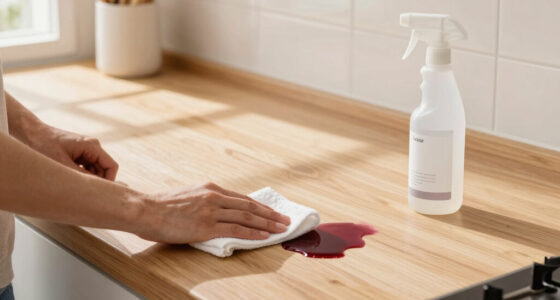
Act quickly with fresh coffee stains; immediate blotting and cold water prevent setting.
Older stains often need repeated treatments with enzymatic cleaners, vinegar, or baking soda for full removal.
Always test cleaning methods on a hidden area to prevent surface damage.
Hot water can make protein-based stains worse—stick with cold water first.
Patience and persistence are essential when tackling stubborn, old coffee stains.
Why Fresh Coffee Stains Are Easier (And How to Tackle Old Ones)
Fresh coffee stains are like a clean canvas—they haven’t had time to settle into the fibers or fabric. Immediate action can often remove the stain completely. For example, if you spill coffee on your shirt during breakfast, blotting it immediately can prevent the stain from setting, making it much easier to remove later. Think of it as catching a spill before it hardens—like wiping a spill before it dries and bonds tightly.
Old stains, however, are more like dried paint—once set, they become embedded and resistant. When coffee dries, tannins and pigments bond strongly with fibers, making removal more challenging. You might need multiple treatments or specialized cleaning agents. Recognizing this difference helps set realistic expectations: acting quickly can save you effort, but patience and persistence are necessary for older stains. For instance, a coffee stain that’s been sitting on a white shirt for a week will require repeated applications of enzymatic cleaner and gentle scrubbing, compared to a fresh spill that might come out with just cold water.
This understanding underscores why early intervention is crucial but also why old stains aren’t necessarily permanent—just more demanding to remove.
enzymatic stain remover for fabrics
As an affiliate, we earn on qualifying purchases.
As an affiliate, we earn on qualifying purchases.
Step-by-Step: How to Remove Coffee Stains from Clothing
- Blot the stain immediately with a clean cloth or paper towel. Don’t rub—just soak up as much liquid as possible. For example, if your coffee spills on your shirt while rushing out the door, quickly pressing a cloth against it can prevent the stain from sinking deeper into the fabric.
- Rinse the fabric with cold water from the back side of the stain to push it out of the fibers. Imagine trying to push ink out of paper from behind—this helps lift the stain without spreading it further.
- Apply a pre-treatment: a paste of baking soda and water or a few drops of enzyme-based stain remover. Enzymes are like tiny Pac-Men that break down organic molecules like coffee tannins, making them easier to wash away. For example, enzyme cleaners are particularly effective on protein-based stains like coffee, especially if the stain has dried.
- Let it sit for 15–20 minutes, then wash in cold water. Use the longest cycle suitable for the fabric. Think of this step as giving the enzymes time to work their magic, similar to marinating meat to tenderize it.
- Check the stain before drying. If it persists, repeat the process. Do not put it in the dryer until the stain is gone, as heat can set the stain permanently—like baking in ink, making it impossible to remove later.
This method works well because cold water prevents the stain from setting further, and enzymes break down organic compounds like coffee tannins. It’s akin to using the right tools and timing to disarm a stubborn stain effectively.
vinegar and baking soda stain remover
As an affiliate, we earn on qualifying purchases.
As an affiliate, we earn on qualifying purchases.
Best Natural Ways to Remove Coffee Stains from Carpets and Upholstery
Coffee stains in carpets or on upholstery can seem hopeless. But a mixture of vinegar and dish soap often does the trick. For example, if your coffee spills on your sofa, spraying a vinegar solution can help break down the tannins that cause stubborn discoloration. Vinegar acts as a natural acid that dissolves mineral deposits and organic compounds, making it highly effective against coffee stains.
Here’s a quick comparison of methods:
| Method | Effectiveness | Best for |
|---|---|---|
| Vinegar and Dish Soap | High — breaks down tannins and organic residues, restoring color | Old and fresh coffee stains on carpets or upholstery, especially when combined with blotting and repeated applications |
| Baking Soda Paste | Moderate — absorbs odors and lifts light stains | Fresh stains or minor discoloration; ideal for deodorizing as well |
| Commercial Enzymatic Cleaner | Very high — targets organic stains deeply | Persistent or old stains requiring intensive treatment |
For best results, blot excess coffee first, then spray or apply your chosen solution—imagine it as giving the stain a gentle bath. Afterward, blot again with a clean cloth, allowing the solution to penetrate and loosen the stain. Repeating this process can be like peeling layers of an onion—each treatment gets you closer to complete removal. Allow the area to air dry, and avoid walking on the wet spot to prevent spreading the stain or embedding it further.
As an affiliate, we earn on qualifying purchases.
How to Remove Old Coffee Stains from White Fabrics Without Damage
Old coffee stains on white fabrics can seem daunting, but understanding the chemistry involved can help. White fabrics are more forgiving because they lack dyes that can be affected by cleaning agents. Start by applying a mixture of equal parts white vinegar and water directly onto the stain. Vinegar’s acidity helps break down the tannins that have bonded to the fibers over time. Think of it as dissolving a stubborn mineral deposit—patience and time are key.
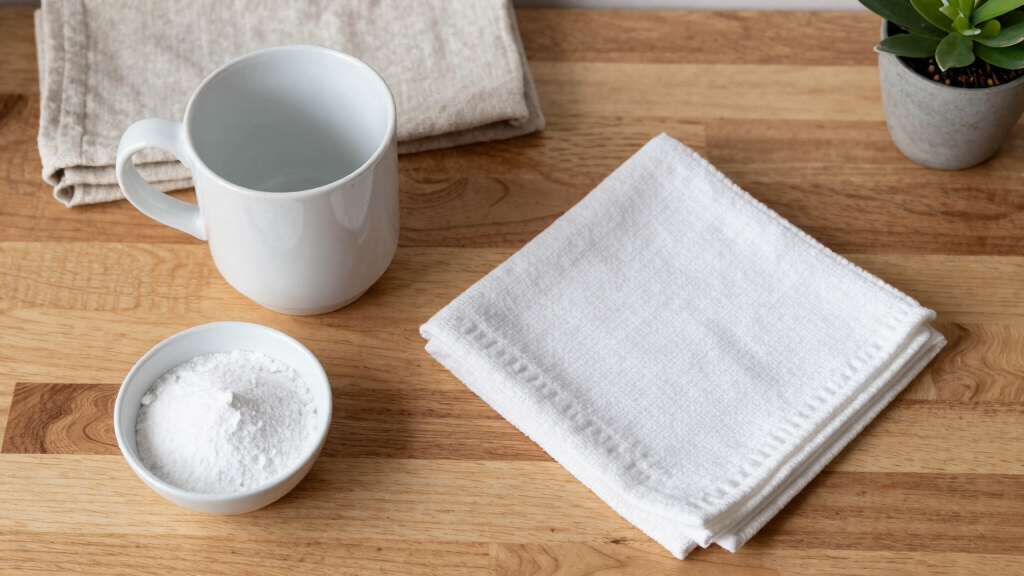
Sprinkle baking soda over the treated area and gently scrub with a soft brush or cloth. Baking soda acts as a mild abrasive and deodorizer, helping lift residual stains and odors. For tougher stains, a diluted hydrogen peroxide solution can be effective, but always test on a hidden area first because peroxide can bleach or weaken fibers if used improperly. It’s like giving the fabric a gentle bleach bath—done carefully, it restores whiteness without damage.
Multiple treatments, combined with gentle scrubbing, often make the difference. Think of it as peeling layers off an onion—each layer removed brings the fabric closer to its original brightness. Patience and repeated gentle treatments are your best allies, especially with delicate or heavily stained fabrics.
As an affiliate, we earn on qualifying purchases.
Common Mistakes That Make Coffee Stains Worse (And How to Avoid Them)
Rubbing vigorously, using hot water on protein-based fabrics, or waiting too long can all set the stain permanently. Hot water especially can cause coffee tannins to bond more tightly to fibers—think of it as sealing the stain in with heat, making it harder to remove later.
Always test cleaning solutions on a small, hidden area first. Rubbing or scrubbing aggressively can damage delicate fabrics or spread the stain, making the problem worse. For example, scrubbing a silk blouse vigorously can cause the fabric to fray or develop a shiny appearance, compounding the damage.
Remember: patience, gentle blotting, and cold water are your best friends in stain removal. Rushing or using the wrong temperature can turn a manageable stain into a permanent mark, so take your time and choose your tools wisely.
Quick Tips to Keep Coffee Stains from Ruining Your Day
- Keep a small stain removal spray or cloth in your bag for sudden spills. For example, a travel-sized stain remover can be a lifesaver during coffee breaks or commutes.
- Blot—don’t rub—immediately after a spill. Rubbing can push the stain deeper or spread it, making removal harder later.
- Use cold water as soon as possible to rinse fresh stains. Think of it as stopping the stain in its tracks before it bonds permanently.
- Treat stains as soon as you notice them—delay makes removal harder. Acting quickly can prevent the tannins from setting, saving you time and effort.
- Test all cleaning solutions on an inconspicuous spot first. This prevents unexpected discoloration or damage, especially on delicate or colored fabrics.
Frequently Asked Questions
Can I use bleach to remove coffee stains from colored fabrics?
Bleach can work on white fabrics, but avoid using it on colored or delicate fabrics. It can cause discoloration or weaken fibers. Always test first and follow the manufacturer’s instructions.
How long should I let treatments sit before washing?
Most treatments should sit for 10–20 minutes, but check the specific product instructions. For natural remedies like vinegar or baking soda, 15–30 minutes is usually enough. Patience pays off.
Are natural remedies safe for all fabrics?
Generally, yes—vinegar, baking soda, and lemon juice are safe for many fabrics. However, always test on a small, hidden area first to avoid potential discoloration or damage.
What if the stain is on a delicate fabric like silk?
Delicate fabrics need gentle handling. Use mild solutions like diluted vinegar or professional cleaning options. If in doubt, consult a professional cleaner to avoid damage.
How can I prevent coffee stains from setting in the first place?
Blot spilled coffee immediately with a clean cloth, rinse with cold water, and treat quickly. Avoid rubbing and wait to wash until the stain is fully gone to prevent setting.
Conclusion
Old coffee stains don’t have to be permanent marks on your favorite fabrics or carpets. With the right approach—patience, proper cleaning agents, and gentle handling—you can often restore your surfaces to their former brightness.
Remember, the key is to act early when possible, test methods carefully, and keep at it. A stubborn stain today might just be a faint memory tomorrow, if you stay persistent.
Columbus Day / Indigenous Peoples' Day Picks
long weekend sales
As an affiliate, we earn on qualifying purchases.