TL;DR

Get cleaning gear delivered free — and shop member deals
- Fast, free delivery on millions of items
- Access to Prime Big Deal Days deals on October 6–7
- Prime Video, Amazon Music and more included
Most experts recommend replacing bath towels every 1 to 2 years. Signs like persistent odors, fraying, or mold mean it’s time for a new one. Proper washing and drying extend their life, but hygiene always comes first.
Imagine wrapping yourself in a towel that’s been hanging around for over a year. It might feel soft and warm, but beneath that cozy surface lurks a potential bacteria hotspot. Your towel isn’t just fabric — it’s a living environment for microbes, mold, and yeast, especially if it’s damp or rarely washed.
Knowing when to replace your bath towel isn’t just about maintaining softness; it’s about hygiene, comfort, and skin health. In this guide, you’ll learn the right timing, signs of wear, and how to keep your towels fresh and safe for everyday use.
Replace your bath towel every 1 to 2 years to prevent bacteria buildup and maintain softness.
Look for signs like persistent odor, fraying, or mold as cues to get a new towel.
Washing in hot water weekly and thorough drying extends towel lifespan and hygiene.
Modern antimicrobial and eco-friendly towels can offer longer freshness but still require regular laundering.
For kids, replace towels more often—every 6 to 12 months—to protect sensitive skin and reduce germ spread.
How often should you replace your bath towel? The simple answer
Your bath towel should be swapped out every 1 to 2 years. This range balances durability with hygiene. If you use it daily, expect more wear and microbial buildup—especially if you don’t wash it often enough. For towels used less frequently, you might stretch that timeline a little.
But don’t just guess. Pay attention to how your towel looks, smells, and feels. If it’s starting to fray or smell musty, it’s time for a new one. The key is to catch signs of aging or microbial growth early to stay healthy and comfortable.
As an affiliate, we earn on qualifying purchases.
Spot the signs: When your towel has seen better days
How do you know your towel needs replacing? Look for these clear signs:
- Persistent odors: Even after washing, a damp, sour smell sticks around. This indicates microbial growth that’s hard to eliminate, especially if the odor persists despite regular laundering. Ignoring this can lead to skin irritation or infections.
- Fraying or thinning fabric: The fibers break down over time, reducing the towel’s ability to absorb water effectively. When a towel becomes thin or frayed, it not only looks worn but also compromises hygiene because bacteria can hide in the damaged fibers.
- Visible mold or mildew stains: Dark spots or fuzzy patches are signs that mold or mildew has taken hold, often due to dampness and poor drying. These fungi can cause skin rashes or respiratory issues if not addressed promptly.
- Rough texture or stiffness: When washing no longer restores softness, it’s a sign that the fibers are degraded. A stiff towel not only feels unpleasant but may also harbor microbes in the roughened fabric.
For example, I once ignored a slightly rough towel for months. It turned out to have developed mold in the fibers, which I only noticed when I saw dark spots. That was my cue to replace it — because mold can be a silent health threat that’s easily overlooked until it’s too late.
microfiber bath towels for quick drying
As an affiliate, we earn on qualifying purchases.
As an affiliate, we earn on qualifying purchases.
How to keep your towels fresh and last longer
Proper care can extend the life of your towels and keep them hygienic. Here’s a quick step-by-step:
- Wash in hot water: Aim for at least 60°C (140°F) weekly to kill bacteria and fungi. Hot water penetrates the fibers more effectively, breaking down microbial colonies that can cause odors and infections.
- Skip fabric softeners: They coat fibers, reducing absorbency and potentially trapping microbes. Instead, use natural alternatives like vinegar occasionally to maintain softness without compromising hygiene.
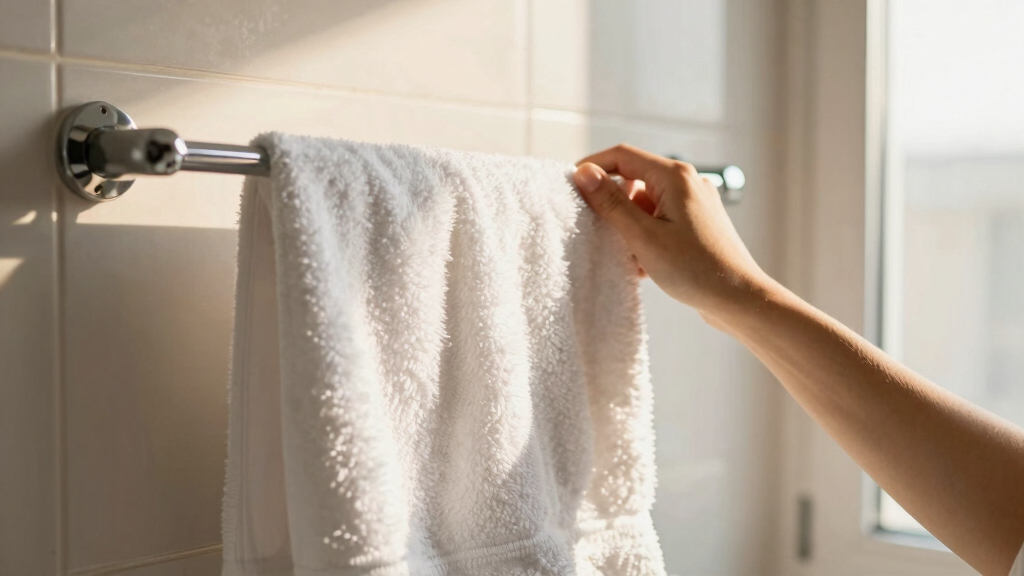
- Dry thoroughly: Hang towels in a well-ventilated space or tumble dry on high heat. Complete drying prevents residual moisture, which is a breeding ground for mold and bacteria. Do not leave damp towels folded or in humid environments.
- Rotate towels: Use multiple towels and give each a break. This reduces wear and microbial buildup, allowing fibers to recover and dry properly between uses. Proper rotation can double the lifespan of your towels and minimize health risks.
For example, I keep three towels in rotation, washing each after 3-4 uses. This way, I avoid damp, mold-prone towels and keep my bathroom fresh. Regular laundering combined with proper drying is essential to maintain hygiene and extend towel life.
As an affiliate, we earn on qualifying purchases.
The latest in towel technology: Do fancy options really help?
New textiles are changing the game. Antimicrobial towels infused with silver or copper ions can slow microbial growth, extending their freshness. Eco-friendly options made from bamboo or recycled materials also tend to be more durable and resistant to odors. Some brands even develop smart towels with moisture sensors that alert you when it’s time to wash or replace.
While these innovations sound promising, proper laundering remains king. An antimicrobial towel still needs regular washing to stay hygienic. But if you’re prone to mold or want more eco-conscious choices, these might be worth considering.
As an affiliate, we earn on qualifying purchases.
How replacing your towel keeps you healthier
Every time you replace an old, worn towel, you significantly reduce the microbial load — bacteria, fungi, and yeast — hiding within the fibers. This reduction decreases the risk of skin irritations, rashes, and even infections, especially for those with sensitive skin or open cuts. The implications are profound because persistent microbes can lead to chronic skin issues or even systemic infections if left unchecked.
For instance, after switching to a fresh towel, I noticed fewer skin flare-ups. It’s like giving your skin a clean slate. Regular replacement isn’t just about comfort — it’s a proactive step toward better skin health, reducing the chance of problematic skin conditions caused by microbial buildup.
What about kids’ towels? How often should they be replaced?
Kids’ towels need more frequent replacing—every 6 to 12 months. Their skin is more sensitive, and they tend to get their towels wetter and messier, which promotes microbial growth. Additionally, children’s immune systems are still developing, making hygiene even more critical. Regularly replacing their towels minimizes the risk of skin irritations, bacterial infections, and the spread of germs that can cause illnesses.
For example, I switch out my child’s towel twice a year, especially if it starts smelling or feels rough. This simple routine helps maintain their skin’s health and reduces the chance of germ transmission, keeping them safer and cleaner.
Sharing towels can transfer bacteria, fungi, and even viruses, increasing the risk of skin infections or other illnesses. Microbes can cling to fibers even when the towel looks clean, and close contact facilitates their spread. This is especially risky in communal or household settings, where pathogens can be transmitted easily, leading to outbreaks of skin rashes or respiratory issues.
For example, I once shared a towel on vacation. A week later, I developed a rash that only cleared up after I started using my own towel. This experience underscored how sharing can unintentionally expose you to germs that cause skin irritations or infections. Using your own towel and washing it regularly is a simple but effective way to minimize health risks and maintain hygiene standards.
Frequently Asked Questions
How do I tell if my towel is still safe to use?
If your towel smells sour even after washing, feels rough, or shows visible mold or fraying, it’s time to replace it. A fresh towel should smell clean, feel soft, and look intact.
Can I extend my towel’s life with special washes?
Washing in hot water (60°C or higher) weekly helps kill microbes, extending your towel’s usability. Avoid fabric softeners, which reduce absorbency, and thoroughly dry towels after each use to prevent mold growth.
Are some materials better for durability and hygiene?
Microfiber and bamboo towels tend to be more durable and resistant to odors. However, all towels benefit from proper washing and drying routines regardless of material.
How often should children’s towels be replaced?
Children’s towels should be replaced every 6 to 12 months due to their sensitive skin and higher likelihood of moisture retention. Regular replacement helps prevent skin irritations and germ spread.
Is sharing towels really that risky?
Yes. Sharing towels can transfer bacteria, fungi, and viruses, increasing the chance of skin infections. It’s best for each person to have their own towel and wash it regularly.
Conclusion
Keeping your bath towels fresh isn’t just about feeling soft — it’s about protecting your skin and your home. Regular replacement, combined with good washing habits, makes a real difference. Think of your towel as a daily health partner — replace it before it becomes a germ carrier.
Next time you grab that familiar, cozy towel, ask yourself: is it still doing its job? If not, one simple swap can make your bathroom a healthier, more comfortable space.
Halloween Picks
halloween
As an affiliate, we earn on qualifying purchases.