TL;DR
Open a free Amazon Business account
Business pricing, bulk buying and tax-exempt orders.
Create a free accountAs an affiliate, we earn on qualifying purchases.
Cleaning your bathroom exhaust fan every 6-12 months keeps it working well and prevents mold and dust buildup. This guide walks you through removing debris, cleaning parts, and maintaining safety for a fresher bathroom air.
Imagine a bathroom fan that hums loudly or smells musty — that’s a sign it’s clogged with dust, grime, or mold. Many homeowners overlook this small but vital appliance, yet it plays a big role in keeping your bathroom fresh and dry. The good news? A simple, regular cleaning can boost its performance and lifespan.
In this guide, you’ll learn the safest, most effective way to clean your bathroom exhaust fan. No fancy tools or harsh chemicals required — just practical steps that you can do yourself to improve air quality and prevent costly repairs later.
Clean your bathroom exhaust fan every 6-12 months to maximize airflow and prevent mold growth.
Always turn off power before removing or cleaning parts — safety first.
Use gentle, eco-friendly cleaning solutions like mild soap or vinegar to protect plastic components.
Regularly wipe the grille and check for signs of mold or grime buildup to prevent major issues.
Deep cleaning may require removing the fan cover, but routine dusting keeps it running smoothly longer.
Why Regular Cleaning Keeps Your Fan Running Smoothly
Your bathroom exhaust fan works hard, pulling out moisture, odors, and airborne pollutants. Over time, dust, soap scum, and even mold can build up inside. This buildup not only hampers airflow but can also cause mechanical issues or bad odors.
Cleaning every 6 to 12 months ensures your fan stays efficient. Picture a fan that’s clogged with a layer of dust — it’s like trying to breathe through a straw. Regular upkeep keeps things clear and your bathroom breathing easy.

Holikme Dryer Vent Cleaner Kit – 30Ft Fireplace Chimney Brushes Flexible
- Extended Chimney Cleaning Reach: 30-foot flexible rods with synthetic brushes
- Easy to Use: Compatible with or without power drill
- Professional Cleaning Results: Sealed connections for secure operation
As an affiliate, we earn on qualifying purchases.
As an affiliate, we earn on qualifying purchases.
Step-by-Step: How to Safely Clean Your Bathroom Exhaust Fan
- Turn off the power to the fan at the circuit breaker. Safety first — avoid electrical shocks.
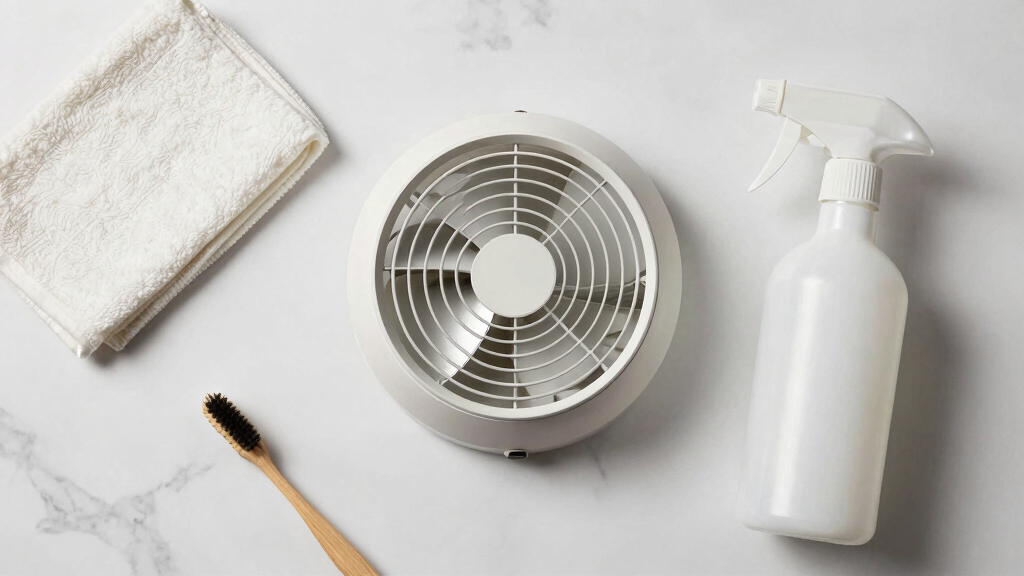
- Gather your supplies: screwdriver, vacuum with brush attachment, microfiber cloths, mild detergent, warm water, and optional compressed air.
- Remove the fan cover or grille. Usually, it’s held by screws or clips. Use a screwdriver if needed.
- Vacuum or brush away loose dust and cobwebs from the cover, blades, and housing. For stubborn grime, wipe with a damp cloth dipped in a mild soap solution.
- Wash the cover with warm soapy water. Rinse, dry thoroughly, then reinstall.
- If accessible, clean the fan blades by gently wiping with a damp cloth. For hard-to-reach spots, use compressed air to blow out dust.
- Reassemble everything securely, then turn the power back on to test.
Each step minimizes dust dispersal and keeps your electrical components safe. It’s like giving your fan a spa day — simple but effective.
As an affiliate, we earn on qualifying purchases.
Comparison: Manual Cleaning vs. Deep Cleaning — Which Is Better?
| Feature | Manual Cleaning |
|---|---|
| Ease | Quick, simple, good for routine dust removal |
| Thoroughness | Limited, may miss grime inside motor or blades |
| Frequency | Every 6-12 months |
As an affiliate, we earn on qualifying purchases.
Eco-Friendly Cleaners That Keep Your Fan Safe
Many commercial cleaners contain harsh chemicals that can damage plastic parts or pollute indoor air. Instead, opt for gentle, eco-friendly options like a mix of mild dish soap and warm water, or vinegar solutions. These are safe for your fan’s plastic components and won’t leave harmful residues.
For stubborn grime, a small amount of baking soda mixed with water creates a safe scrub paste. Remember, always test a small area first to avoid damage.
vacuum with brush attachment for dust removal
As an affiliate, we earn on qualifying purchases.
As an affiliate, we earn on qualifying purchases.
How to Keep Your Bathroom Fan Clean Year-Round
Prevention beats cleanup. Use these simple tips:
- Wipe down the grille monthly with a damp cloth.
- Run the fan during and after showers to prevent moisture buildup.
- Check for mold or musty smells — address them early.
- Replace or clean filters (if your fan has them) every few months.
Imagine catching dust before it settles — it’s easier than deep cleaning once grime has hardened into a crust. Regular maintenance prevents the buildup of dust and mold, which can cause odors and reduce the efficiency of your fan. Addressing these issues early not only keeps your bathroom smelling fresh but also extends the lifespan of your unit by preventing mechanical strain caused by heavy grime accumulation.
Troubleshooting: When Your Fan Won’t Turn On or Makes Noise
If your fan isn’t working properly, cleaning might be the fix. Dust and debris can jam the blades or motor. However, persistent issues like loud noises or failure to start could point to electrical problems or worn-out parts.
Always turn off power before inspecting. If cleaning doesn’t help, consider calling a professional to avoid risking electrical shocks or damaging the unit.
Frequently Asked Questions
How often should I clean my bathroom exhaust fan?
Most experts recommend cleaning every 6 to 12 months, depending on humidity levels and usage. If you notice odors or reduced airflow, it’s time for a check-up.Can I clean the fan without removing it?
Yes, for light dust and debris, wiping the cover and blades while still installed works. However, for a thorough cleaning or heavy grime, removing the cover allows better access.What cleaning products are safe for bathroom exhaust fans?
Use mild soap, water, or vinegar solutions. Avoid harsh chemicals like bleach or abrasive cleaners, which can damage plastic parts or leave residues that affect air quality.My fan makes noise; does that mean it needs cleaning?
Often, yes. Dust or debris can cause imbalance or mechanical strain. But persistent noise might also signal motor issues or worn bearings, requiring a professional check.Should I replace my fan if it’s not working after cleaning?
Not necessarily. Cleaning can resolve many issues. If problems persist, it might be time to consider a replacement, especially for older models or those with electrical faults.Conclusion
Keeping your bathroom exhaust fan clean isn’t just about squeaky operation — it’s about healthier air and a longer-lasting unit. A quick, regular wipe-down and annual deep clean are your best bets for a fresh, mold-free bathroom.
Imagine stepping into a bathroom where the air smells clean, and the fan hums quietly. That’s the simple reward of a well-maintained exhaust system — a small investment with a big payoff.
Flea & tick season Picks
flea and tick prevention
As an affiliate, we earn on qualifying purchases.