
TL;DR

Get cleaning gear delivered free with Prime
- Fast, free delivery on millions of items
- Prime Video, Amazon Music and more included
- Member-only deals all year
Cleaning a concrete driveway without a pressure washer is doable with basic supplies like a garden hose, stiff brush, and eco-friendly cleaners. Regular maintenance prevents stains and extends surface life, saving you money and hassle.
If your concrete driveway has lost its shine but you’re wary of using a pressure washer, you’re not alone. Many homeowners discover that a simple combination of elbow grease and eco-friendly cleaners can restore their driveway’s appearance without risking damage.
In this guide, you’ll learn how to tackle common stains, dirt, and algae with household items and basic tools. No fancy equipment required—just practical steps that get results and protect your surface.
You can effectively clean your driveway with household items like baking soda, vinegar, and dish soap—no pressure washer needed.
Scrubbing with a stiff brush and rinsing with a garden hose can remove most stains and dirt safely.
Always wet the surface first and apply cleaners evenly, letting them sit for a few minutes for best results.
Sealing your driveway after cleaning helps prevent future stains and extends its lifespan.
Regular maintenance and quick spill cleanup keep your driveway looking new longer.
How to Clean a Concrete Driveway Without a Pressure Washer
TL;DR: A garden hose, stiff brush, and the right eco-friendly cleaner can remove dirt, algae, oil marks, and dull buildup without the surface risk of high-pressure water. The slower method gives you more control, protects porous concrete, and makes sealing afterward more effective.
Many driveway stains respond to dwell time, chemistry, and scrubbing – no machine required.
Key insight: pressure washers are fast, but improper use can chip, etch, or unevenly wear concrete.Minutes for cleaners to loosen grime before scrubbing.
For moss or algae, followed by careful rinsing.
Hose, stiff brush, and broom handle most driveway cleaning jobs.
Manual cleaning lowers the risk of chipping or etching concrete.
Reseal many concrete driveways every few years after cleaning.
Quick spill cleanup prevents stains from setting into pores.
Gentle cleaning preserves the driveway while still lifting stains.
Concrete is porous. Oil, algae, dirt, and rust sit differently on the surface, so the best results come from matching the cleaner to the stain, letting it work, then scrubbing and rinsing thoroughly.
Avoid etching
High-pressure water can erode softer spots and expose aggregate. A stiff brush gives controlled abrasion without blasting the surface.
Use household chemistry
Vinegar targets algae, baking soda absorbs oil and deodorizes, and dish soap cuts greasy residue with low plant and pet risk.
Seal after cleaning
A concrete sealer reduces porosity, slows future staining, and makes ordinary sweeping and hose rinsing more effective.
Clean like a pro with a simple rinse, soak, scrub rhythm.
The key is patience: remove loose grit first, wet the slab, apply cleaner evenly, wait for the reaction, then scrub before a complete rinse.
Clear debris
Sweep leaves, dirt, and loose grit so scrubbing does not grind particles into the concrete.
Wet surface
Use a garden hose to dampen the slab and help cleaner spread evenly across porous areas.
Apply cleaner
Choose vinegar, baking soda, dish soap, or a concrete-safe commercial product for the stain.
Scrub firmly
Use a stiff-bristled deck brush. Avoid metal brushes and harsh abrasives.
Rinse clean
Wash away loosened dirt and residue, then repeat on stubborn spots if needed.
Manual cleaning takes longer, but it keeps control in your hands.
Use pressure only when the surface can tolerate it and the operator knows the distance, angle, and nozzle. For routine driveway care, manual cleaning is usually enough.
| Method | Effectiveness | Surface Safety | Ease Of Use | Best Fit |
|---|---|---|---|---|
| High-pressure washing | ✓ Great for deep cleaning | ✗ Can chip or etch concrete | ✓ Fast with equipment | Heavy buildup on sound, durable concrete |
| Manual scrubbing + eco cleaners | ✓ Effective for dirt, algae, and many stains | ✓ Gentle when done right | ~ Requires elbow grease | Routine cleaning and stain-safe maintenance |
| Targeted commercial cleaner | ✓ Strong on rust, oil, or mold | ~ Depends on formula | ~ Label directions matter | Stubborn stains after a spot test |
Manual stain removal can handle most household driveway grime.
Baking soda, dish soap, vinegar, and targeted cleaners work best when they sit for 10-15 minutes before scrubbing.
Always test first and protect yourself.
Wear gloves and eye protection, check cleaner labels, and keep runoff away from plants when using bleach or stronger products.
Match the cleaner to the mark instead of scrubbing blindly.
Different stains need different chemistry. Use the mildest option that works, repeat the process for stubborn areas, and rinse away all residue.
Oil stains
Use: baking soda plus dish soap. Cover the stain, wait 15 minutes, scrub with soapy water, then rinse. Repeat for older residue.
Moss or algae
Use: vinegar for light growth or a 1:10 bleach-water mix for heavier patches. Let sit briefly, scrub, and rinse thoroughly.
Rust stains
Use: lemon juice with baking soda or a concrete-safe rust remover. Spot test first to avoid discoloration.
Cleaner strength scale
Start mild and move stronger only when the stain remains after a full clean-rinse cycle.
Seal the clean concrete before stains get a second chance.
After the driveway is clean and fully dry, apply a concrete-specific sealer. It creates a barrier against oil, dirt, weather, and freeze-thaw stress. Routine sweeping and fast spill cleanup keep the surface looking newer and reduce the need for deep cleaning.
Sweep debris so grit does not hold moisture or abrade the surface.
Absorb fresh oil with baking soda or kitty litter before it penetrates.
Consider resealing, especially in harsh weather or high-traffic areas.
From dirty slab to protected surface.
The cleaning sequence works because each action prepares the next one: clearing prevents scratches, wetting improves contact, dwell time loosens stains, and sealing protects the result.
Can I use vinegar or baking soda?
Yes. Vinegar works well on algae and moss, while baking soda helps lift stains and deodorize. Use them properly and rinse fully.
Will scrubbing damage concrete?
A stiff-bristled brush is safe for most concrete. Avoid metal brushes, harsh abrasives, and aggressive grinding motions.
How often should I clean it?
Clean after winter, heavy use, or visible buildup. Regular sweeping and fast spill response reduce deep-clean frequency.
Can I seal after cleaning?
Yes. Let the driveway dry completely, then apply a concrete-specific sealer to help prevent stains and weather damage.
Why You Don’t Always Need a Pressure Washer
A pressure washer might seem like the go-to for a sparkling driveway, but it’s not always the best choice. The high-pressure water can chip away at the surface of your concrete or cause uneven erosion over time, which might lead to cracks or structural weaknesses. This can result in costly repairs or a driveway that looks worse than before.
Opting for gentle cleaning methods like scrubbing with eco-friendly solutions not only preserves the integrity of your concrete but also allows for more control. For example, a homeowner who used baking soda and dish soap discovered that they could remove 80% of oil stains without risking surface damage, highlighting how effective careful manual cleaning can be. The tradeoff is that manual methods may take longer but offer a safer, more sustainable approach that prolongs the lifespan of your driveway.
As an affiliate, we earn on qualifying purchases.
Gather Your Tools and Eco-Friendly Cleaners
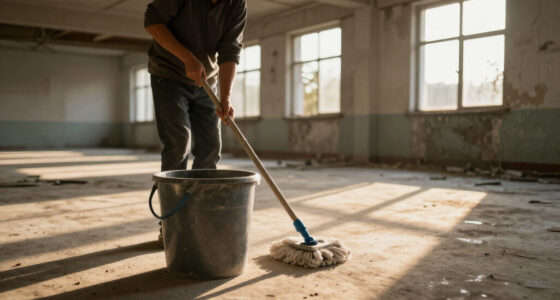
Start with the basics: a stiff-bristled brush or deck scrubber, a garden hose with a spray nozzle, and some household cleaners. For eco-friendly options, think vinegar, baking soda, and dish soap. Each targets different stains—oil, algae, dirt—safely and effectively.
Using these tools and cleaners is not just about safety; it’s about understanding the chemistry behind stain removal. For instance, vinegar’s acidity breaks down algae and moss, while baking soda’s abrasive quality lifts stains and deodorizes. Commercial cleaners can be more potent, but they often contain harsh chemicals that might harm plants, pets, or the environment. Choosing eco-friendly options reduces these risks and supports sustainable maintenance. Always check the label for surface safety, as some cleaners might be too abrasive or not suitable for certain finishes.
As an affiliate, we earn on qualifying purchases.
Step-by-Step: How to Clean Your Driveway Like a Pro
- Clear the driveway of loose debris, leaves, and dirt with a broom or leaf blower. Removing loose particles prevents scratching or embedding grit into the surface during scrubbing, which could cause micro-damage over time.
- Wet the surface thoroughly with a garden hose to loosen dirt, algae, and other residues. Proper pre-wetting helps the cleaning solutions penetrate more effectively and reduces the risk of spreading stains or dirt deeper into the surface.
- Apply your chosen cleaner—vinegar solution for algae, baking soda for stains, or a commercial cleaner—spread evenly across the surface. Even application ensures consistent cleaning action and prevents missed spots that could lead to uneven staining or buildup.
- Let it sit for 10-15 minutes, giving it time to break down grime and stains. This dwell time is crucial for chemical reactions to occur; for example, vinegar’s acidity neutralizes algae, while baking soda lifts grease and organic stains. Patience here improves the efficiency of manual scrubbing, reducing the effort needed.
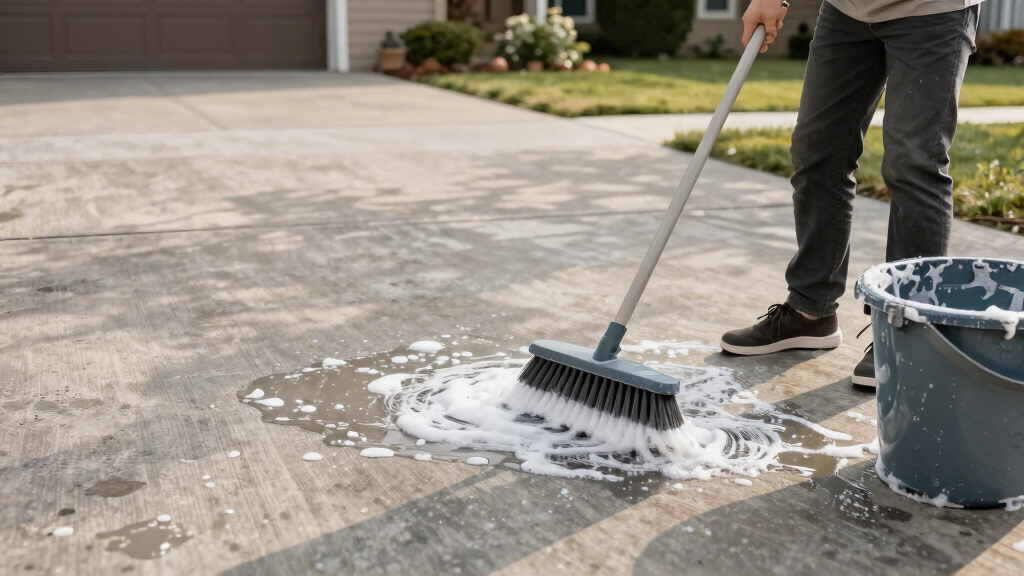
- Scrub the surface with a stiff-bristled brush, applying firm pressure to lift dirt and stains. The physical action helps dislodge embedded grime and enhances the cleaning agents’ effectiveness. Using the right technique prevents surface damage and ensures thorough cleaning.
- Rinse thoroughly with the garden hose, using a spray nozzle to help wash away loosened dirt and cleaning residues. Adequate rinsing prevents residue buildup that could attract more dirt or cause surface degradation over time.
Repeat if necessary for stubborn spots, and always finish by rinsing off all cleaner residues to avoid chemical buildup, which can cause surface deterioration or discoloration over time.
As an affiliate, we earn on qualifying purchases.
Compare Cleaning Methods: Which Works Best?
| Method | Effectiveness | Surface Safety | Ease of Use |
|---|---|---|---|
| High-pressure washing | Great for deep cleaning but risks damage | Potential for chipping or etching | Fast but requires equipment |
| Manual scrubbing + eco cleaners | Effective for stains and dirt | Gentle if done right | Requires elbow grease, takes longer |
As an affiliate, we earn on qualifying purchases.
Tips for Removing Specific Stains Without a Pressure Washer
- Oil stains: Cover with baking soda, let sit for 15 minutes, then scrub with dish soap and water. The baking soda absorbs oil and lifts it from the surface, making it easier to scrub away. Repeating this process can gradually break down stubborn oil residues without damaging your concrete.
- Moss or algae: Mix one part bleach with ten parts water, spray on, scrub after 10 minutes, then rinse. The bleach kills organic growths effectively, but overuse can weaken the concrete or harm surrounding vegetation. Always rinse thoroughly and use sparingly to maintain surface integrity.
- Rust stains: Use a commercial rust remover or lemon juice combined with baking soda, scrub, then rinse thoroughly. The acid in lemon juice reacts with rust, dissolving it, while baking soda acts as a gentle abrasive. This combination minimizes surface damage and preserves the driveway’s appearance.
Always test on a small, inconspicuous area first to ensure the cleaning method does not cause discoloration or surface damage. Proper testing prevents costly mistakes and helps you choose the safest, most effective approach for your specific stains.
Prevention Is Easier Than Cleaning Stains
After cleaning, sealing your driveway creates a barrier against future stains and weather damage. This preventative step is crucial because it reduces porosity, making it harder for stains to penetrate and set in. Regular sweeping and quick action on spills help keep it looking fresh longer, minimizing the need for frequent deep cleaning.
For example, sealing a driveway with a concrete-specific sealer every 2-3 years significantly reduces dirt buildup and makes subsequent cleaning easier. It also helps protect against freeze-thaw cycles and chemical spills that can cause cracks or surface deterioration. Investing in proper sealing and routine maintenance extends the lifespan of your driveway, saving money on repairs and preserving its aesthetic appeal.
Frequently Asked Questions
Can I use vinegar or baking soda to clean my driveway?
Absolutely. Vinegar works well on algae and moss, while baking soda is excellent for stains and deodorizing. They’re safe, natural options that won’t harm your concrete when used properly.
How do I remove oil stains without a pressure washer?
Sprinkle baking soda or kitty litter on fresh oil spills, let sit for 15 minutes, then scrub with dish soap and water. Repeat if needed for stubborn stains. This method absorbs and lifts oil effectively without risking surface damage, especially when done promptly.
What’s the best way to clean moss or algae without harsh chemicals?
A solution of one part bleach to ten parts water works well. Spray on, wait 10 minutes, scrub, then rinse thoroughly. Using bleach carefully prevents organic growth while preserving your concrete’s integrity. Always wear protective gear and avoid overuse to prevent surface weakening.
How often should I clean my driveway to keep it looking its best?
At least twice a year, especially after winter or heavy use, to prevent grime buildup and staining. Regular quick cleans help maintain appearance and reduce the need for intensive scrubbing later, extending the life of your surface.
Is scrubbing with a stiff brush safe for my concrete?
Yes, as long as you avoid metal brushes or harsh abrasives. Use a plastic or wooden deck brush, which provides effective cleaning without damaging the surface. Proper technique and gentle pressure ensure longevity and a clean look.
Conclusion
Think of your driveway as a canvas—regular, gentle cleaning with everyday supplies keeps it vibrant without risking damage. With a little effort, you can maintain a clean, inviting outdoor space that lasts for years.
Next time your driveway looks dull or stained, remember: elbow grease and eco-friendly solutions are often all you need. Your driveway’s next shine is just a scrub away.
Halloween Picks
halloween
As an affiliate, we earn on qualifying purchases.