TL;DR
Listen free for 30 days with Audible
Thousands of audiobooks and originals — cancel anytime.
Start your free trialAs an affiliate, we earn on qualifying purchases.
Smoke odors from cooking can cling to walls, fabrics, and air—making your home smell stale and unpleasant. Prompt ventilation, thorough cleaning, and odor neutralization are key, with options ranging from natural remedies like baking soda to advanced air purifiers. Acting fast minimizes the need for costly professional cleanings.
Ever had a kitchen mishap that left your entire home smelling like a smoky cloud? It’s more common than you think. A forgotten pan, a burst of oil, or a quick broil gone wrong can turn your space into an olfactory battleground.
But don’t panic. The good news is that you can reclaim your home’s fresh scent with simple steps—no harsh chemicals or expensive cleaners needed. This guide walks you through what causes smoke smells, quick fixes, deep cleaning tips, and how to prevent future odors from sneaking in.
Act quickly—ventilate immediately to dilute airborne smoke particles and prevent deep embedding.
Deep cleaning surfaces, fabrics, and carpets is essential to remove stubborn smoke residues.
Natural odor absorbers like baking soda and vinegar are cost-effective and effective for neutralizing smoke smells.
High-quality air purifiers with HEPA and activated carbon filters can dramatically improve air quality and remove lingering odors.
Prevent future smoke smells by using splatter guards, maintaining kitchen cleanliness, and ensuring proper ventilation during cooking.
Where Does the Smoke Smell Come From, and Why Is It So Hard to Remove?
Smoke smell is more than just a quick whiff of burnt food. Smoke particles are tiny, almost invisible specks that cling to walls, fabrics, furniture, and even the air itself. These particles can embed deep into porous surfaces like drywall, curtains, and upholstery, making the smell stubborn.
Imagine your kitchen as a sponge, soaking up the smoky aroma. The longer you leave it, the more these particles settle in, turning a quick mistake into a lingering problem. Ventilation during cooking helps, but if you don’t act fast, the smell seeps into every corner, making it harder to get rid of.
For example, if you burned toast and ignored it for hours, the smell could stick around for days, especially if you have thick curtains or a carpet. That’s why understanding where the smell comes from helps you target your cleaning efforts effectively.
Deeply embedded smoke particles are problematic because they don’t just sit on the surface; they penetrate into the microscopic pores of materials, making simple wiping ineffective. This means that surface cleaning alone often isn’t enough—sometimes, you need specialized cleaning methods or professional help to fully extract these particles and prevent odors from re-emerging over time. Recognizing this depth of contamination underscores the importance of thorough, multi-layered cleaning strategies to truly neutralize smoke smells.
air purifier with HEPA and activated carbon filter
As an affiliate, we earn on qualifying purchases.
As an affiliate, we earn on qualifying purchases.
Quick First Steps to Tackle Smoke Odor Before It Becomes Permanent
- Open all windows and doors. Let fresh air flood in. This simple act can quickly dilute airborne smoke particles and reduce the smell.
- Turn on exhaust fans or range hoods. Use your kitchen’s ventilation to pull smoke out, especially if you’re still cooking or just finished.
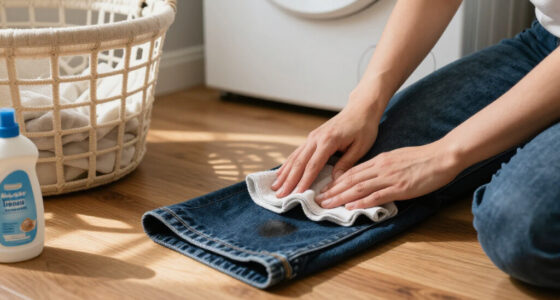
- Remove or wash affected fabrics. Curtains, tablecloths, or clothing that absorbed the smell should go straight into the wash. Use hot water and add a cup of baking soda for extra odor-busting power.
Imagine your space as a smoky sponge—these immediate actions start squeezing out the excess smoke before it seeps deeper into surfaces.
For instance, after a greasy stir-fry gone wrong, opening windows and turning on the range hood can cut down the smoke in minutes, preventing it from settling into your curtains or upholstery.
Acting quickly is crucial because the longer smoke particles remain in the air and on surfaces, the more they embed into porous materials, making odor removal more difficult and time-consuming. Immediate ventilation and fabric cleaning serve as preventative measures—limiting the depth of odor penetration and reducing the need for more intensive, costly cleaning later on.
As an affiliate, we earn on qualifying purchases.
Deep-Cleaning Surfaces to Banisher the Stubborn Smoke Residue
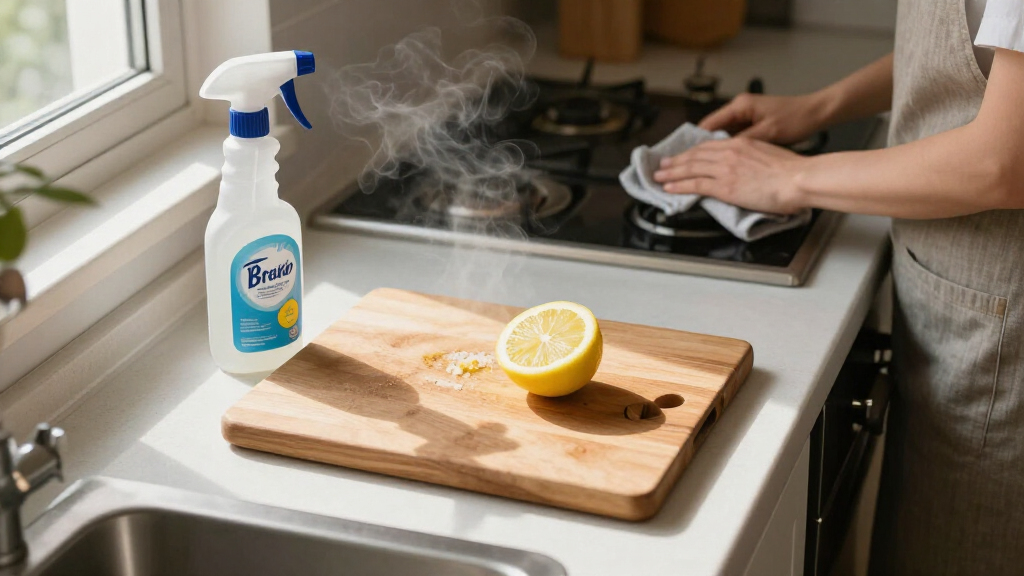
Smoke particles cling tightly to surfaces, so a thorough clean is essential. Start with walls, cabinets, and countertops. Mix one part distilled white vinegar with two parts water, add a few drops of mild dish soap, and wipe everything down with a soft cloth or sponge.
For fabrics like curtains or pillow covers, toss them in the laundry with a cup of baking soda. Upholstery and carpets may need special cleaning products or professional help if the smell persists.
Think of this step as scrubbing away the smoky memories—each swipe pulls more particles out of hiding. If you have a carpet, consider renting a steam cleaner or hiring a professional service. They can extract embedded odors more effectively than DIY methods alone.
Deep cleaning is critical because smoke particles, especially when embedded in porous surfaces, resist surface cleaning. If neglected, these particles can slowly off-gas, causing odors to return over time. Therefore, an effective deep clean not only removes visible residues but also disrupts the microscopic particles that sustain lingering smells. This comprehensive approach ensures that both surface and embedded contaminants are addressed, significantly reducing the chance of odor reappearance and restoring a truly fresh environment.
kitchen smoke odor eliminator spray
As an affiliate, we earn on qualifying purchases.
As an affiliate, we earn on qualifying purchases.
Natural Odor Absorbers That Actually Work (Baking Soda, Vinegar, and Charcoal)
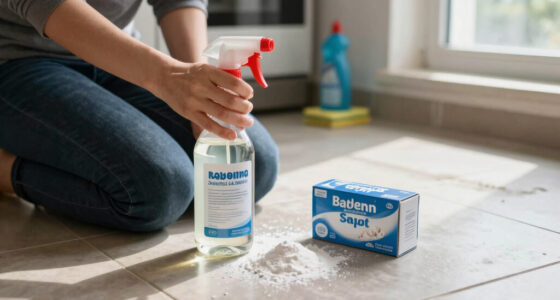
Natural remedies are your best friends for odor neutralization. Baking soda is a household hero—sprinkle it generously on carpets, furniture, and upholstery. Leave it for at least 4 hours, preferably overnight, then vacuum thoroughly.
Vinegar is surprisingly versatile. Simmer a small pot of vinegar on the stove for 30 minutes, or place bowls of vinegar around the room. It’s like a magnet for smoke molecules, pulling odors out of the air.
Activated charcoal is another powerhouse. Place a few charcoal bags in problem areas—say, behind furniture or inside closets—and let them soak up the smell over a day or two. Coffee grounds and tea leaves also absorb odors but are less powerful.
Imagine these remedies as silent cleaners, quietly sucking the smoky aroma out of your home without introducing chemical fumes.
Using natural absorbers is effective because they work by trapping odor molecules at a microscopic level, preventing them from escaping back into the air. For example, baking soda’s fine particles bind with odor-causing compounds, neutralizing them rather than just masking the smell. This method is especially useful for ongoing odors in fabrics or small enclosed spaces, making it a cost-effective and eco-friendly choice for long-term odor control.
As an affiliate, we earn on qualifying purchases.
Use Modern Air Purifiers and Ventilation to Clear the Air Fast
When smoke has already filled the air, an air purifier is your best ally. Look for models with HEPA filters combined with activated carbon. They trap tiny smoke particles and absorb lingering odors, giving your space an instant refresh.
For example, a 200-square-foot room with a good-quality HEPA and carbon filter purifier can remove up to 99% of airborne smoke particles within an hour, according to recent studies.
If you want to go high-tech, smart ventilation systems can detect smoke and automatically activate, pulling stale, smoky air outside before it settles into surfaces.
Keep windows open during and after cleaning to help fresh air circulate. Opening windows is often the simplest way to accelerate the odor removal process, especially with a breeze.
Imagine your home as a flowing river of fresh air, sweeping out the smoky remnants and leaving behind a clean scent.
Effective air purification and ventilation are crucial because they directly impact the microscopic particles suspended in the air, which are often responsible for the lingering smell. Using high-quality filters and ensuring proper airflow reduces the concentration of these particles quickly, preventing odors from re-embedding into surfaces and helping your home smell fresh faster. This process also improves overall indoor air quality, making your environment healthier and more comfortable.
Prevent Future Smoke Smells with Simple Tips
The best way to deal with smoke smell is to prevent it from happening in the first place. Use splatter guards or lids when frying or broiling to contain smoke. Regularly clean your stove, oven, and range hood to prevent grease buildup that can ignite and produce smoke.
Maintain good kitchen ventilation during cooking—turn on exhaust fans or open windows—and keep the space well-ventilated afterward.
For example, opening a window while frying bacon prevents smoke from filling your entire apartment and makes cleanup easier.
Additionally, consider installing a smart ventilation system that activates when smoke is detected, reducing the chances of lingering odors after accidental mishaps.
Simple habits like these keep your home smelling fresh and prevent smoky surprises from catching you off guard.
Frequently Asked Questions
How long does smoke smell typically last after a cooking mishap?
The duration depends on how much smoke was produced and how quickly you act. Usually, odors can linger from a few hours to several days if left untreated. Prompt ventilation and cleaning significantly shorten this time.
Can I completely eliminate smoke smell on my clothes and fabrics?
Yes, washing fabrics with hot water and a cup of baking soda or a specialized odor remover can reduce or eliminate smoke odors. For stubborn smells, repeat the process or consider professional cleaning for upholstery and curtains.
Are ozone generators safe for home use?
Ozone generators can be effective at removing severe smoke odors but must be used carefully. Follow manufacturer instructions, and never stay in the room while the generator is active—ozone can be harmful to your lungs.
What natural remedies work best for smoke odor removal?
Baking soda, vinegar, and activated charcoal are proven natural options. They absorb and neutralize odors without chemicals, making them safe and eco-friendly choices for your home.
How can I prevent smoke odors from lingering after cooking?
Use proper ventilation—turn on exhaust fans or open windows during cooking—and clean your stove and oven regularly. Acting quickly after cooking mishaps also prevents odors from settling in.
Conclusion
Getting rid of smoke smell after a cooking mishap isn’t about magic—it’s about action. Ventilate fast, clean thoroughly, and use natural or tech solutions to neutralize odors. With a bit of effort, your home can smell fresh again in no time.
Think of your space as a clean slate—a place that welcomes you with crisp, inviting scents. Next time smoke threatens to settle in, remember these simple steps, and take control before it becomes a lingering problem.
Flea & tick season Picks
flea and tick prevention
As an affiliate, we earn on qualifying purchases.