TL;DR
Listen free for 30 days with Audible
Thousands of audiobooks and originals — cancel anytime.
Start your free trialAs an affiliate, we earn on qualifying purchases.
You don’t need to buy fancy gadgets to clean your indoor air. By opening windows, cleaning regularly, and controlling humidity, you can reduce pollutants and breathe easier with what you already own.
Think you need to shell out big bucks for cleaner indoor air? Think again. Your home already holds everything you need to breathe easier—no new gadgets or filters required. Small changes, like opening a window or dusting more often, can make a noticeable difference.
In this guide, you’ll learn how to use natural airflow, existing household items, and simple habits to clear out indoor pollutants. Better air doesn’t have to cost a thing—just your time and a little know-how.
Maximize natural airflow by opening windows and doors during good weather.
Use houseplants to absorb some airborne toxins and add beauty to your space.
Regular dusting and vacuuming with household items significantly cut allergens.
Reduce indoor pollutant sources like VOC-emitting products and smoking indoors.
Control humidity with simple household tools like salt bowls to prevent mold and dust mites.
Open Windows and Doors for Instant Freshness
Opening windows and doors is the simplest way to flood your home with fresh air. It helps dilute indoor pollutants like dust, pet dander, and VOCs. For example, a quick 10-minute cross-breeze can cut indoor pollutant levels by nearly half, according to an anonymous researcher.
Imagine coming home after a long day. Flung open the windows on opposite sides of your house, and the stale air rushes out. The creak of the hinges, the cool breeze—suddenly, your space feels lighter and cleaner.
Tip: Do this during good weather, avoiding days with high outdoor pollution or pollen outbreaks. It’s free, fast, and effective.

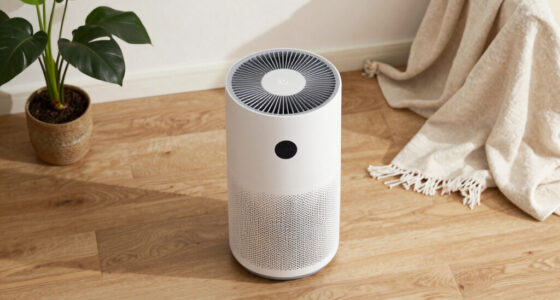
LEVOIT Air Purifier for Home Allergies and Pets Hair Smokers in Bedroom, H13 True HEPA Filter, 24db Filtration System Cleaner Odor Eliminators, Remove 99.97% Dust Smoke Mold Pollen, Core 300, White
- AHAM Verified for Performance: Independently tested for quality and efficiency
- Powerful Filtration System: 56W motor with 143 CFM CADR
- Effective Air Cleaning: Removes 99.97% dust, smoke, mold, pollen
As an affiliate, we earn on qualifying purchases.
As an affiliate, we earn on qualifying purchases.
Use Your Existing Houseplants to Absorb Toxins
Houseplants like snake plants, pothos, and spider plants are not just pretty—they can absorb some airborne toxins. While they won’t replace a proper air purifier, they do add a natural touch that improves air quality and aesthetic appeal.
For instance, a snake plant in your living room can absorb formaldehyde and benzene, common indoor pollutants. Plus, they’re easy to care for—water once a week, and they thrive on neglect.
Tip: Group a few plants together to boost their air-cleaning power. Remember, they work best when combined with good ventilation and regular cleaning.
Understanding how these plants work helps you appreciate their role: they take in certain volatile organic compounds (VOCs) through their leaves and roots, converting them into less harmful substances. This process can slow the buildup of indoor toxins, especially in spaces with limited airflow. However, it’s important to recognize their limitations—they are supplementary, not substitutes for proper ventilation or cleaning routines.
As an affiliate, we earn on qualifying purchases.
Clean Regularly with What You Already Have
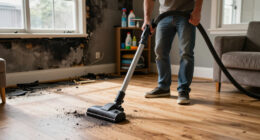
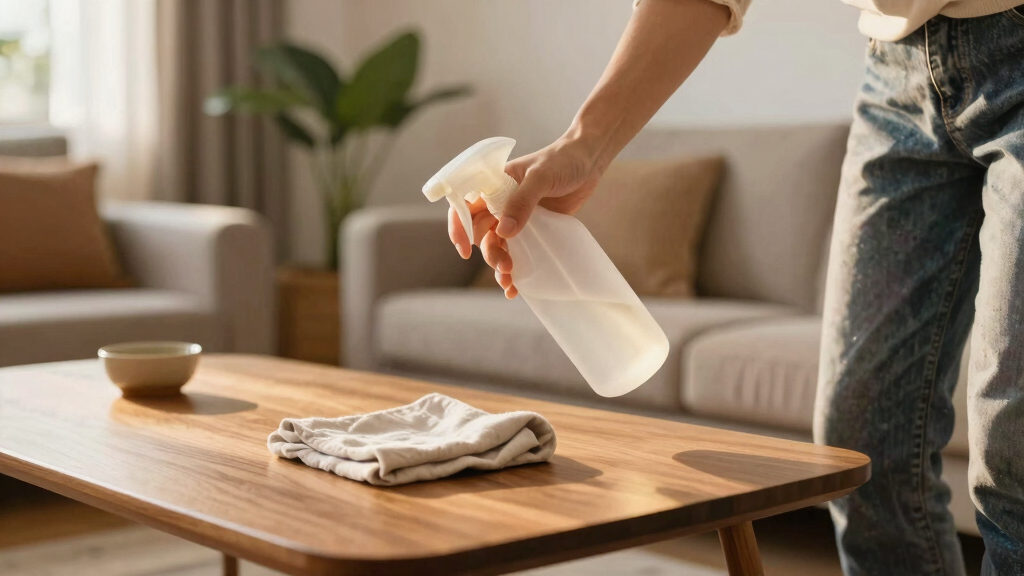
Regular dusting and vacuuming are your best tools for reducing airborne allergens. Use a damp cloth on surfaces and a vacuum with a HEPA filter—these are often already in your closet or shed.
For example, dust mites and pet dander hide in carpets and furniture. A 5-minute wipe-down or vacuum session can remove these troublemakers, making your air healthier.
Tip: Do a quick daily dusting and schedule weekly vacuuming. Keep clutter to a minimum to prevent dust buildup.
Deep cleaning surfaces and textiles minimizes the reservoirs where allergens can accumulate and become airborne, especially during activities like sweeping or walking through a room. This process is vital because dust mites and pet dander are microscopic and can trigger allergies or asthma. Using items you already have—like a damp cloth or your vacuum’s HEPA filter—maximizes efficiency without extra cost. Remember, neglecting routine cleaning allows these particles to settle and later become airborne, worsening indoor air quality over time.
As an affiliate, we earn on qualifying purchases.
Cut Down on Pollutant Sources Inside
Indoor pollutants come from sources like candles, cleaning products, and smoking. Reducing or eliminating these can drastically improve air quality. For instance, switching to baking soda and vinegar for cleaning avoids chemical fumes.
Imagine your kitchen after wiping counters with a vinegar solution—no harsh smells, just a fresh, clean scent. Also, if you smoke, do it outside. It’s the biggest single step you can take to protect indoor air.
Tip: Keep windows open when using cleaning supplies, and choose unscented, natural products whenever possible.
Understanding the impact of these sources is crucial because many household items emit volatile organic compounds (VOCs) and other chemicals that can linger and deteriorate indoor air quality. For example, scented candles may seem harmless but can release soot and chemicals that aggravate respiratory issues. Eliminating or reducing these sources creates a safer environment. Additionally, habits like smoking indoors significantly increase pollutant levels, so making a simple choice to go outside can have a profound health implication.
As an affiliate, we earn on qualifying purchases.
Manage Humidity Without Buying a Dehumidifier
Controlling humidity is key to preventing mold and dust mites. You can do this with existing fans, open windows, or homemade moisture absorbers like bowls of salt or baking soda. For example, place a bowl of salt in your closet or bathroom to absorb excess moisture.
High humidity feels damp and sticky—mold can appear on walls, and dust mites thrive. Maintaining 30-50% humidity keeps these pests at bay and air feeling fresher.
Tip: Use your bathroom fan or open windows after showering to dry out humid spaces. Check your home’s moisture levels with a simple hygrometer (often available at hardware stores).
Understanding how humidity affects indoor air quality is vital because excessive moisture creates an environment conducive to mold growth and dust mite proliferation, which can trigger allergies and respiratory problems. Using household items like bowls of salt or baking soda is a simple, cost-effective way to absorb excess moisture. Proper ventilation after activities that generate humidity—like showering—further helps maintain optimal levels. Keeping humidity within the 30-50% range balances comfort and health, minimizing mold and dust mites without the need for specialized equipment.
Keep Air Moving with the Fans You Already Own
Fans aren’t just for cooling—they help circulate stale indoor air. Use your ceiling or table fans to keep fresh air moving around your home, preventing pollutants from settling in one spot.
Picture your living room. As you turn on the ceiling fan, the air spins gently, pushing out the stagnant pockets of dust and dander. It’s like giving your home a gentle breath of life.
Tip: Run fans during and after ventilation to maximize air circulation, especially in rooms with limited windows.
Improving air circulation is crucial because stagnant air allows pollutants and allergens to settle and accumulate, creating pockets of poor air quality. Fans help disperse these particles, promoting a more uniform and healthier environment. They also assist in bringing in fresh air from outside or from open windows, enhancing the effectiveness of natural ventilation. By using fans you already own, you ensure continuous movement of air, reducing the likelihood of harmful substances lingering in your living space.
Comparison Table: Natural Methods vs. Mechanical Solutions
| Method | Effectiveness | Cost | Ease |
|---|---|---|---|
| Opening windows/doors | High for dilution, weather-dependent | Free | Very easy |
| Houseplants | Moderate, adds aesthetic value | Existing plants or cheap to start | Easy to moderate |
| Frequent cleaning | High for allergens, dust | Already owned | Easy |
| Reducing sources | Very high, prevents pollution | Free | Easy |
| Using fans | Improves circulation | Already owned | Very easy |
Frequently Asked Questions
Can houseplants actually improve indoor air quality?
They can absorb some toxins and increase oxygen levels, but they’re not a complete solution. Combine plants with good ventilation and cleaning for the best results.
How much can opening windows really help?
Opening windows can cut indoor pollutant levels by up to 50% during good weather. It’s a quick, cost-free way to refresh the air and dilute indoor toxins.
Is it safe to open windows during high pollen or pollution days?
When outdoor air quality is poor, it’s better to keep windows closed. Check local air quality reports and choose ventilation times carefully.
What’s the simplest way to reduce dust and allergens without buying new tools?
Use a damp cloth for dusting, vacuum with a HEPA filter, and keep clutter minimal. These habits drastically lower airborne allergens.
Can I really improve air quality without any tools or equipment?
Yes. Regular cleaning, natural ventilation, reducing pollutant sources, and managing humidity all help improve indoor air without extra purchases.
Conclusion
Breathing cleaner air doesn’t require buying new gadgets. Small, intentional actions—like opening windows, cleaning often, and managing moisture—make a real difference. Your home already holds the ingredients for fresher, healthier air.
Next time you think about improving your air quality, remember: it’s about what you do with what you have, not what you buy. Your lungs will thank you for it, every single breath.
College move-in / dorm season Picks
dorm essentials
As an affiliate, we earn on qualifying purchases.