TL;DR

Get cleaning gear delivered free with Prime
- Fast, free delivery on millions of items
- Prime Video, Amazon Music and more included
- Member-only deals all year
Pet dander can trigger allergies, but you can control it with regular cleaning, grooming, and air purification. Combining these strategies reduces airborne allergens and eases allergy symptoms.
Pet dander is like tiny, invisible snowflakes shedding from your furry friends—constantly floating in the air and settling on surfaces. For allergy sufferers, this microscopic dust can turn a happy home into a sneezing, itchy nightmare.
But you don’t have to give up your pets or suffer in silence. This guide is packed with practical tips—simple, effective ways to keep pet dander under control and breathe easier every day.
Regularly vacuum and dust with HEPA-filtered tools to trap pet dander before it circulates.
Bathing pets every 2-4 weeks and brushing outside drastically cuts down indoor dander shed.
Use a HEPA air purifier in main living areas and bedrooms for airborne allergen reduction.
Choose breeds that shed less, like Poodles or Bichon Frises, to lower allergen levels naturally.
Create pet-free zones, especially in bedrooms, to give your immune system a break while sleeping.
What Exactly Is Pet Dander and Why Is It a Problem?
Pet dander is tiny skin flakes shed by cats, dogs, and other furry animals. These flakes are so small they become airborne easily—like dust motes dancing in a sunbeam.
In sensitive people, these particles can trigger sneezing fits, itchy eyes, nasal congestion, or even asthma attacks. The problem is that these microscopic flakes can linger in the air and settle on surfaces, continuing to cause allergic reactions long after the pet has moved away. This means that even if your pet isn’t currently active, the dander remains a persistent source of allergens.
Understanding what pet dander is helps you see why controlling it requires both cleaning and behavioral strategies. Ignoring these tiny particles can lead to chronic allergy symptoms, affecting sleep, productivity, and overall quality of life. The key is recognizing that pet dander isn’t just about shedding fur—it’s about microscopic skin flakes that can have outsized effects on health.
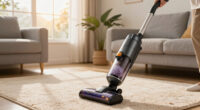
HEPA filter vacuum cleaner for pet dander
As an affiliate, we earn on qualifying purchases.
As an affiliate, we earn on qualifying purchases.
How to Reduce Pet Dander with Simple Cleaning Hacks
Regular cleaning is your frontline defense against pet dander. But it’s not just about tidying up; it’s about understanding how allergens behave and deploying targeted strategies. Dander tends to settle in high-traffic areas and on soft surfaces, where it can become a persistent source of airborne allergens. If not removed regularly, these particles can accumulate and re-enter the air with any disturbance—like walking through a room or opening a door.
Here’s a step-by-step plan that recognizes the importance of timing, tools, and techniques:
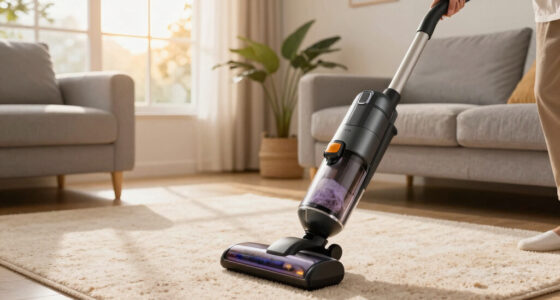
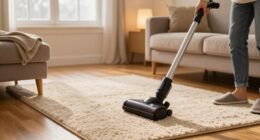
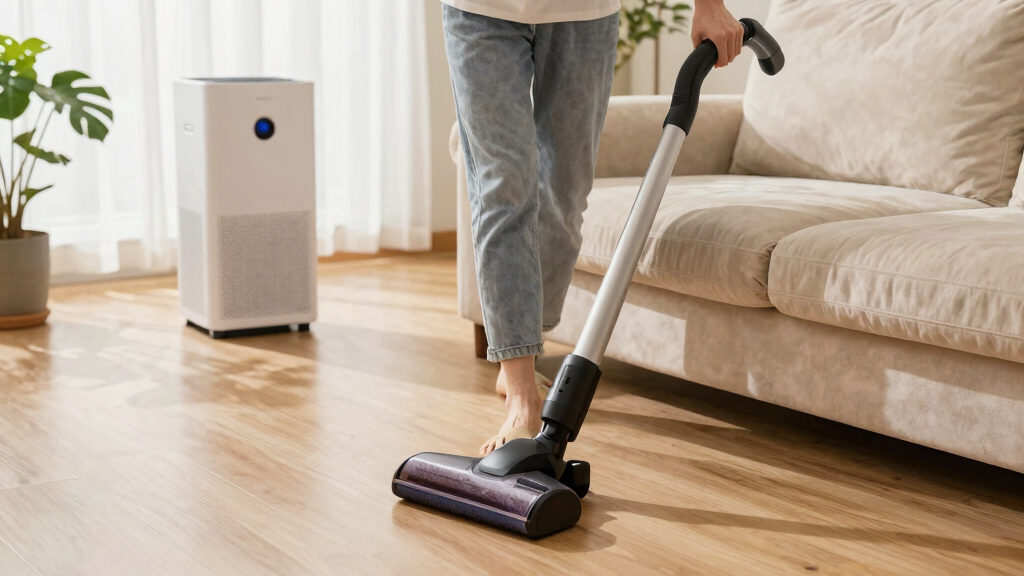
- Vacuum weekly with a HEPA filter vacuum cleaner. This isn’t just about cleaning; it’s about removing the microscopic particles that traditional vacuums often miss, preventing them from becoming airborne again.
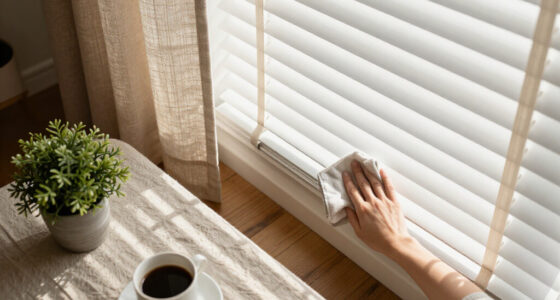
- Dust surfaces with damp cloths—dry dusting just kicks up allergens back into the air, prolonging your exposure. Damp cloths trap dander on their surface, reducing re-dispersion.
- Wash bedding and pet accessories weekly in hot water. Bedding, blankets, and pet toys can harbor skin flakes and dander, serving as reservoirs that release allergens into the environment.
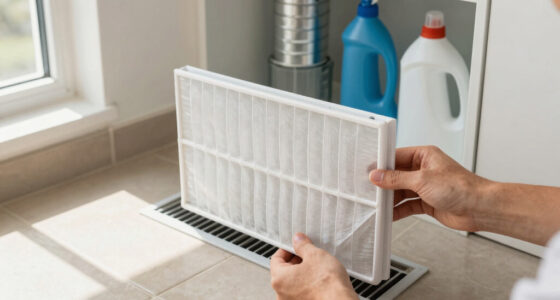
- Clean air vents and filters regularly. Dust and allergens can accumulate in these areas, acting as silent sources of airborne particles that continuously circulate in your home.
This routine is more than cleanliness; it’s about disrupting the allergen cycle, reducing the overall allergen load, and improving indoor air quality over time. Consistency is key—skipping even a week allows dander to build up, making your efforts less effective.
AmazonHEPA air purifier for pet allergies
As an affiliate, we earn on qualifying purchases.
As an affiliate, we earn on qualifying purchases.
Why a HEPA Air Purifier Is Your Best Ally
HEPA air purifiers are like giant straining nets for your indoor air—they trap 99.97% of airborne particles as small as 0.3 microns, including pet dander. This high level of filtration is essential because pet allergens are incredibly tiny and can easily evade less sophisticated filters.
In a typical living room, a good HEPA purifier running 24/7 can cut airborne pet allergens by over 50%. This reduction isn’t just about cleaner air—it can significantly lessen allergy symptoms, such as sneezing, congestion, and itchy eyes. The more allergens you remove from the air, the less your immune system has to react to, which can improve your overall comfort and reduce medication dependence.
Place one near your pet’s favorite lounging spot or in your bedroom—areas where you spend the most time. Remember, the effectiveness depends on proper placement and continuous operation, so consider your home layout when choosing your purifier’s location.
AmazonAs an affiliate, we earn on qualifying purchases.
The Art of Grooming and Bathing Your Pet for Less Dander
Regular grooming and bathing are crucial because they directly reduce the amount of dander your pet sheds into the environment. Think of grooming as a proactive step—removing loose fur and skin flakes before they become airborne. Using hypoallergenic shampoos during baths helps minimize skin irritation and reduce the production of dander, especially for pets with sensitive skin.
Bathing pets every 2-4 weeks, depending on their breed and shedding patterns, can significantly lower the allergen load. For example, a dog that’s groomed weekly sheds 30% less allergen-laden hair indoors, which translates into fewer allergens in your air and on surfaces.
Brushing pets outside, especially during shedding season, prevents loose fur from floating through your home like fluffy snowflakes. This routine not only keeps fur off furniture but also reduces the amount of skin flakes that can become airborne. Remember, the goal isn’t just cleanliness but actively reducing the source of allergens at their origin, making your home healthier for everyone.
AmazonAs an affiliate, we earn on qualifying purchases.
Picking Pets That Are Less Likely to Trigger Allergies
No pet is completely hypoallergenic, but some breeds shed less and produce fewer allergens, making them more suitable for allergy sufferers. Breeds like Poodles, Bichon Frises, and Portuguese Water Dogs tend to shed less fur and skin flakes, which means fewer allergens in your environment. However, it’s important to recognize that individual reactions vary—what triggers symptoms in one person might not in another.
Choosing a less allergenic breed is a good step, but it’s equally important to spend time with different animals before making a decision. This helps gauge your personal reaction and ensures compatibility. Additionally, even low-shedding breeds require regular grooming and cleaning routines to keep allergen levels manageable.
Understanding these nuances allows you to make informed choices, balancing your love for pets with your health needs, and helps set realistic expectations about allergen levels and management efforts.
Create Pet-Free Zones to Keep Allergens at Bay
Designating pet-free zones—especially bedrooms or sleep areas—creates a sanctuary where allergens are minimized, giving your immune system a much-needed break. These zones act as a buffer, reducing exposure during the times when your body is most vulnerable, such as during sleep when symptoms often worsen. This approach recognizes that total allergen elimination isn’t always feasible but targeted zones can significantly improve comfort and health.
Keep pets out of beds and off furniture in these areas, and wash bedding frequently. This reduces the accumulation of pet fur, skin flakes, and dander, which are primary sources of allergens. Implementing pet-free zones requires consistent effort but yields noticeable benefits, especially for those with severe allergies or asthma.
Think of these zones as personal allergy refuges—safe spaces where you can rest and recover without ongoing allergen exposure, ultimately improving sleep quality and overall well-being.
How Your Medical Options Help You Breathe Easier
Medications like antihistamines, nasal sprays, and allergy shots can significantly reduce allergy symptoms. These treatments work by calming the immune system’s overreaction to pet allergens, providing relief from sneezing, congestion, and itchy eyes. They are essential components of an integrated approach—complementing cleaning, grooming, and environmental controls.
Consulting an allergist is crucial because they can tailor treatments to your specific sensitivities. For example, immunotherapy (allergy shots) gradually desensitizes your immune response, offering long-term relief. This proactive approach can allow you to enjoy your home and pets with less discomfort, but it requires professional guidance and commitment.
Incorporating medication into your routine, when appropriate, enhances the effectiveness of other strategies and can drastically improve quality of life, especially for those with severe allergies.
The Latest in Allergen Control — Technology and Research
New allergen-neutralizing sprays and advanced air purifiers are making a real difference. Some products claim to deactivate allergens directly on surfaces or in the air, offering an extra layer of protection. While promising, it’s important to understand that these products are supplementary tools—they should complement, not replace, core cleaning and air filtration routines.
Recent studies show that improved HEPA filters and allergen-reducing products can cut airborne pet allergens by up to 60%, providing a meaningful reduction in allergen levels. This means that with the right combination of technology and routine maintenance, your home can become a more allergen-friendly environment—even with pets around.
Ongoing research aims to develop treatments that target pet allergens at the molecular level, promising even better control in the future. These innovations could revolutionize allergy management, making it easier to coexist comfortably with pets.
Frequently Asked Questions
Can I keep a pet if I have allergies?
Many people with pet allergies can still enjoy pets by combining cleaning, grooming, and air purification strategies. However, some may find their symptoms persist despite these efforts, so testing and consulting an allergist is wise.What is the best way to reduce pet dander in my home?
Regular vacuuming with a HEPA filter, bathing pets, and using HEPA air purifiers are your best bets. Creating pet-free zones and washing bedding frequently also help keep allergens at bay.Do air purifiers really help with pet allergies?
Yes, HEPA air purifiers can trap 99.97% of airborne particles, including pet dander. When used properly, they significantly reduce allergens and ease allergy symptoms.Are certain breeds less allergenic?
Some breeds shed less and produce fewer allergens, like Poodles and Bichon Frises. But no breed is completely hypoallergenic, so spend time with different animals before choosing one.Can grooming or bathing my pet reduce allergens?
Regular grooming and bathing help reduce dander, but they don’t eliminate it entirely. Consistent routines combined with other control methods offer the best results.Conclusion
Controlling pet dander isn’t about giving up your furry friends—it’s about smarter habits. Regular cleaning, grooming, and smart choices create a healthier home environment where both you and your pets can thrive.
Imagine a home where sneezing and itchy eyes are rare visitors. That’s within reach when you take these simple steps—your lungs and your pets will thank you.
COLUMBUS DAY / I Columbus Day / Indigenous Peoples' Day Picks
long weekend saleslong weekend sales
As an affiliate, we earn on qualifying purchases.